
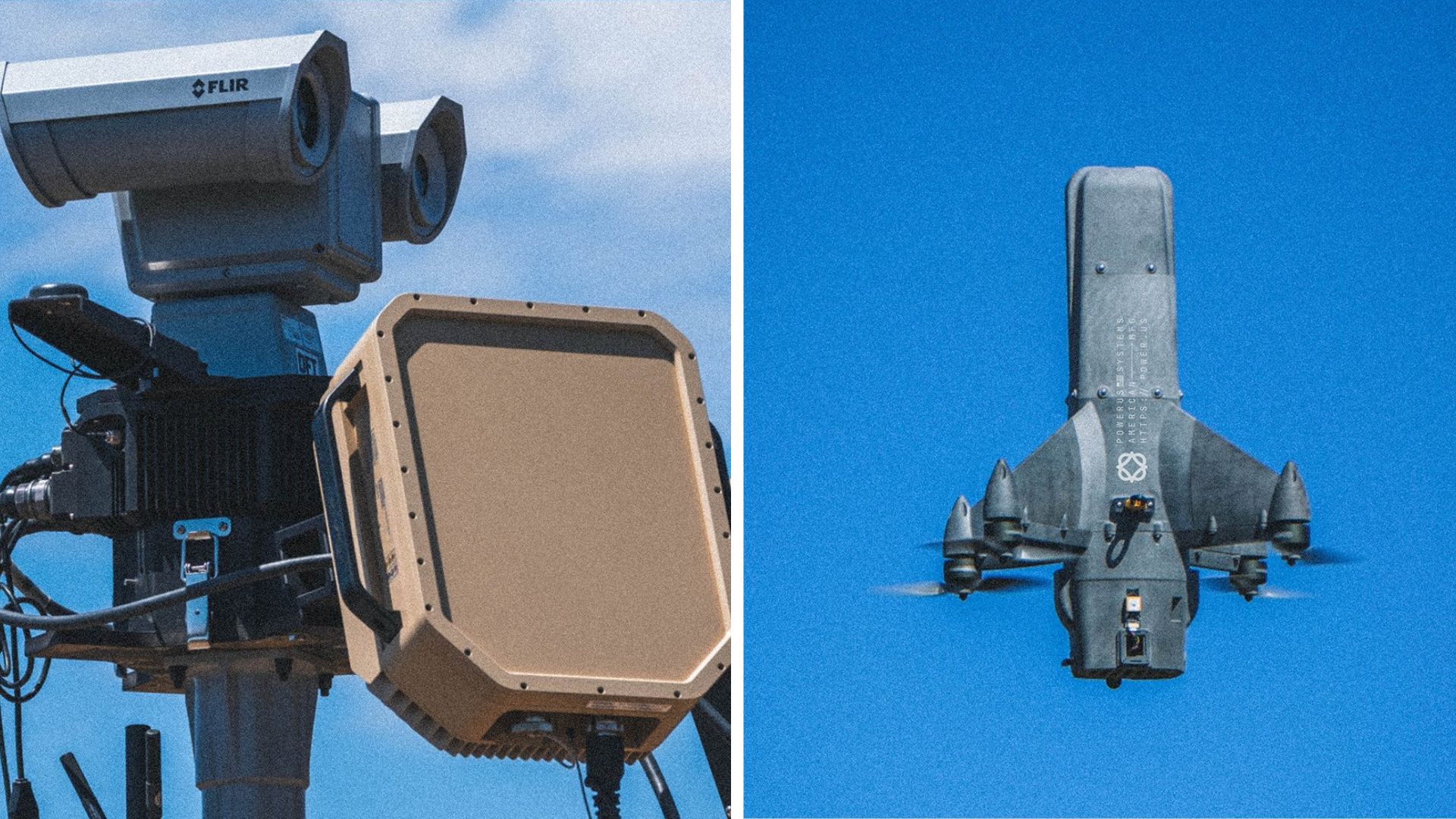
U.S.-based Powerus has officially been commissioned to provide a counter-drone detection network for oil and gas fields in the Middle East. The contract is reportedly worth $22.3 million and will include the provision of hardware, software, installation, and 24-hour maintenance. Oil and gas infrastructure is not only attractive as a target, but also particularly vulnerable as they tend to be large, fixed, and difficult to conceal. They are, by their very nature, full of flammable products and high-pressure equipment too. Drone attacks, therefore, are capable of shutting oil and gas sites with comparatively limited damage. They are also economically important enough that even an unsuccessful attack can affect prices and force precautionary closures. So, in theory, a drone costing tens of thousands of dollars can threaten equipment worth hundreds of millions, or force defenders to expend a far more expensive missile intercepting it. And this is not just theoretical; several high-profile attacks have occurred in recent years, notably Ukrainian attacks on Russian assets and the recent Iranian attacks in the Gulf. Giving oil and gas fields fair warning According to a press release on the matter, the unnamed customer wants the systems to provide a warning system for potentially hostile drones approaching its assets. This network will consist of things like sensors around one or more oil and gas sites. The system will also incorporate software to combine these sensors into one central operating picture. It will also be able to detect objects in the air and track their direction and movement. The system will be sophisticated enough to distinguish drones from birds, aircraft and other objects, and possibly identify the drone category. It will also provide alerts allowing staff to shut down equipment, shelter personnel or call security forces.Installation, commissioning and 24 months of maintenance. The important part to note is that this appears to be only a detection and warning system at this point. There is no mention of kinetic drone interception capabilities. That said, Powerus has said that the system could later incorporate its Guardian-1 interceptor, a high-speed drone intended to physically intercept hostile drones. Powerus describes Guardian-1 as a radar-assisted, operator-controlled interceptor intended particularly for Shahed-type attack drones. Powerus explicitly calls this new deal “a commercial agreement,” and neither the customer nor the country is named. It could involve a Gulf national oil company, an international oil major, an infrastructure operator or an intermediary. Detection not interception The release merely asserts that the facilities are commercially important to American energy interests. It is also unclear at this point how many facilities and Middle Eastern countries are to be covered by the deal. There is also little detail on the type of detection sensors that will be installed, and no timetable for deployment is yet publicly known. “This commercial contract reflects the direction we believe the counter-drone market is heading — toward integrated, networked protection of critical oil and gas infrastructure,” said Brett Velicovich, Co-founder and President of Powerus. “We are starting with the capabilities our customer needs today while providing an architecture that can expand as the threat and operational requirements evolve. Powerus is bringing U.S.-based engineering, manufacturing, and technology to help protect the operations that power that infrastructure,” he added.Get the latest in engineering, tech, space & science - delivered daily to your inbox.Christopher graduated from Cardiff University in 2004 with a Masters Degree in Geology. Since then, he has worked exclusively within the Built Environment, Occupational Health and Safety and Environmental Consultancy industries. He is a qualified and accredited Energy Consultant, Green Deal Assessor and Practitioner member of IEMA. Chris’s main interests range from Science and Engineering, Military and Ancient History to Politics and Philosophy.
US counter-drone sensor network commissioned to protect Middle East oil, gas fields
Full Article
Original Source
Read the full article at Interestingengineering →KhanList aggregates and links to publicly available news content. We do not host full articles from third-party sources. Always verify important information with original sources.