
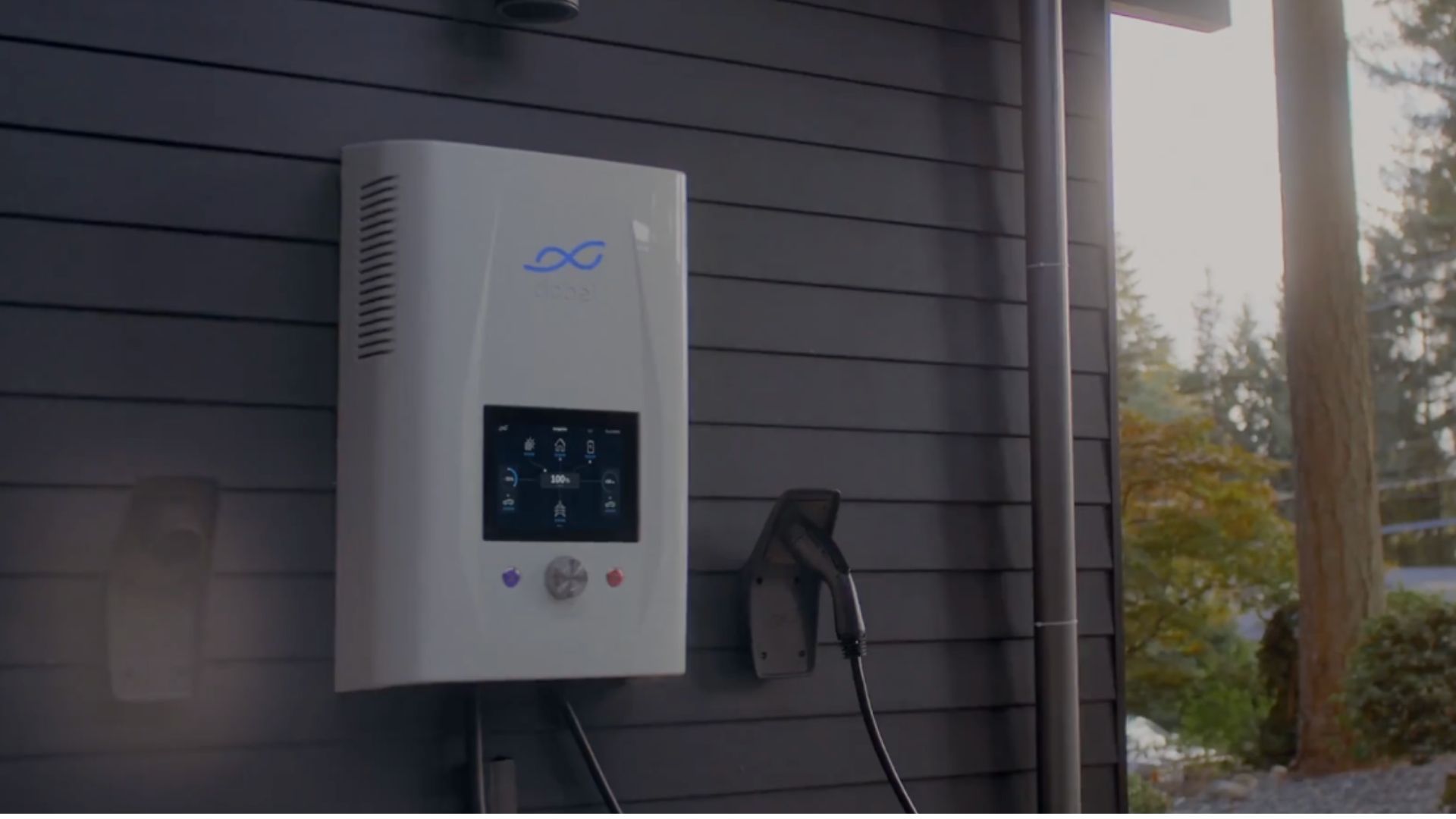
Eligible California homeowners can access up to $18,300 in combined incentives to install a home energy system that integrates solar power, battery storage, and bidirectional electric vehicle charging. San Francisco-based dcbel announced the offer on August 25 after its Ara Home Energy Station was added to Pacific Gas and Electric Company’s Vehicle-to-Everything program. Fewer than 50 places remain under the available rebate programs, according to the company. The incentives combine up to $13,800 from the California Connected Home Rebate, supported by the California Energy Commission, with as much as $4,500 from PG&E. Incentives reward early adopters Eligible PG&E customers can receive an upfront incentive of $2,500 through the utility’s V2X program. The amount increases to $3,000 for customers living in designated Disadvantaged Communities. The first 250 participants can also receive an additional $1,500 Early Adopter Incentive, bringing the maximum available PG&E support to $4,500. Rebates are being distributed on a first-come, first-served basis. California homeowners can begin by reserving a system through dcbel, after which an energy specialist will confirm their eligibility, help them apply for incentives, and connect them with an approved installer. The company said customers will have a single point of contact throughout the process, from their initial inquiry to installation and subsequent support. EV battery can provide 10 days of power Ara combines the equipment needed to manage solar panels, stationary battery storage, and bidirectional EV charging in one Home Energy Station. This eliminates the need for separate power-conversion and management systems for each energy source. At the heart of the station is dcbel’s energy-management technology, which the company said makes more than 100 decisions every second. It automatically directs electricity between the home, solar panels, storage equipment, an electric vehicle, and the grid. During an outage, Ara can draw electricity from the large battery inside a compatible bidirectional EV. According to dcbel, the arrangement could keep a home powered for up to 10 days, although the actual duration would depend on the vehicle’s battery capacity and household energy consumption. The company also claims that charging an EV with home-generated solar electricity could provide up to 20,000 miles of driving range annually. System could reduce annual energy costs “Every Californian deserves clean, reliable energy, and real control over their power and their costs,” said Marc-André Forget, founder and CEO of dcbel. “dcbel gives homeowners that control, working hand in hand with their utility and the grid to make the whole system more resilient for everyone. With these rebates, California is helping families take a meaningful step toward energy independence,” he added. When paired with solar panels, the system can generate and manage electricity with up to 30 percent greater efficiency than separate power-conversion and energy-management solutions, according to the company.Ara can use electricity stored inside an EV to power a house during expensive peak-pricing periods. dcbel estimates this could help a household save up to $1,300 annually while reducing its exposure to changing utility rates.Get the latest in engineering, tech, space & science - delivered daily to your inbox.Atharva is a full-time content writer with a post-graduate degree in media & amp; entertainment and a graduate degree in electronics & telecommunications. He has written in the sports and technology domains respectively. In his leisure time, Atharva loves learning about digital marketing and watching soccer matches. His main goal behind joining Interesting Engineering is to learn more about how the recent technological advancements are helping human beings on both societal and individual levels in their daily lives.
US: California homeowners offered up to $18,300 to turn EVs into backup power
Full Article
Original Source
Read the full article at Interestingengineering →KhanList aggregates and links to publicly available news content. We do not host full articles from third-party sources. Always verify important information with original sources.