
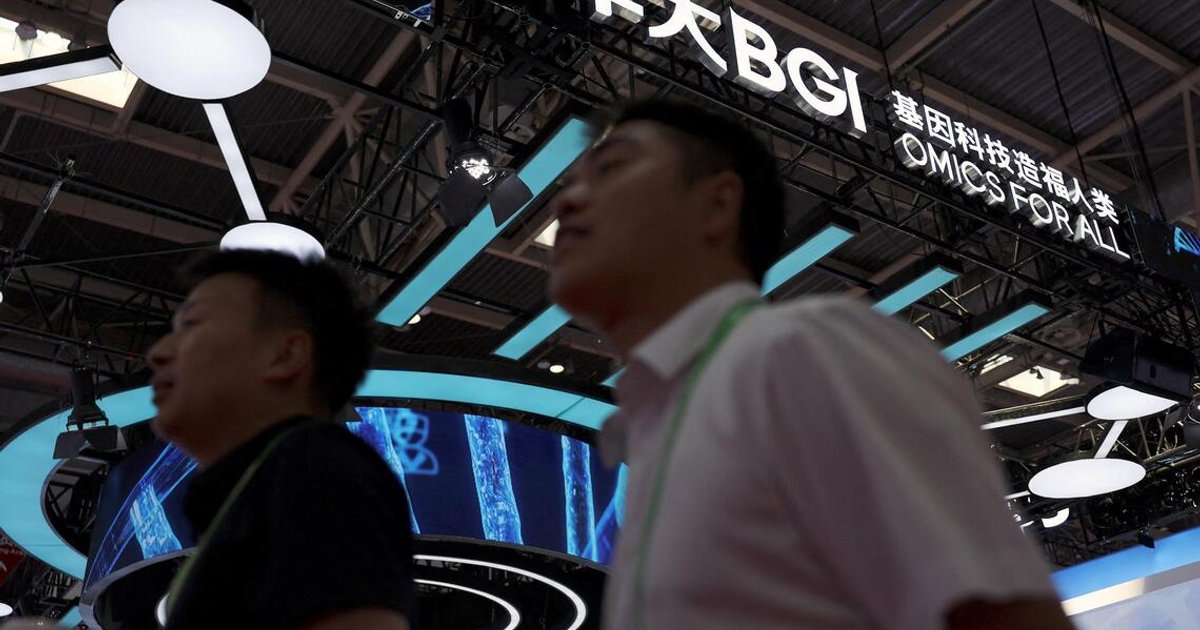
WASHINGTON – The United States on Oct 28 banned imports from three Chinese genomics companies over their alleged roles in enabling the forced labour of Uighurs and other ethnic minorities in China’s Xinjiang region.BGI Genomics, MGI Tech and Shenzhen BGI Technology, which the US says is also known as the BGI Group, were added to the Uyghur Forced Labor Prevention Act Entity List, according to the Department of Homeland Security.The list identifies entities that use or facilitate the use of forced labour of Uighurs and other minorities, or source material from the Xinjiang Uighur Autonomous Region. China’s embassy in Washington rejected the allegations.US Customs and Border Protection is instructed to stop goods from listed companies from entering the US unless exporters can rebut the presumption they were made with forced labour.The US and human rights groups have accused Chinese authorities of establishing internment camps in Xinjiang, where Uighurs and other religious and ethnic minority groups are subject to forced labour and other abuses. Beijing has denied the allegations.BGI Group and BGI Genomics conduct genetic testing in the region, working with the government to facilitate the recruitment, transport, transfer or receiving of forced labour, the Homeland Security Department said.MGI Tech provides equipment and related support to the government to conduct the testing, the department said.The US government believes BGI Group tests genetic material of people from the region as well as that of plants and animals.Shenzhen-based MGI Tech rejected the allegations, saying they are inconsistent with the facts. It added that business activities in the US represent a limited part of its overall business.“We have zero tolerance for forced labour in any form,” the company said in a statement.BGI Group issued a similar statement, saying it has not engaged in any form of forced labour and that US business activities are “only a very limited part” of the group’s business and the designation is not expected to have a material impact on operations.The company “respects internationally recognised principles concerning human rights and labour standards”, the statement said.BGI Genomics did not immediately respond to a request for comment.“China urged the US to immediately stop its attacks and smears against Xinjiang, stop manipulating the so-called ‘forced labour’ issue, and stop wantonly suppressing Chinese companies,” Liu Chang, a spokesman for the Chinese embassy in Washington, said in a statement.“China has always opposed forced labour and, at present, Xinjiang enjoys social stability, economic prosperity and a peaceful life for its people.”The Department of Homeland Security said in a statement that the companies help operate a mass surveillance system that uses data derived from genetic material and other information to support broader repression, including labour programmes and internment, often under the guise of healthcare.The companies’ behaviour “shows an unwillingness to separate profit motives from basic codes of human dignity”, said Rob Law, DHS under secretary for strategy, policy and plans.Ban comes during US-China trade truceThe US imposed the ban during a fragile trade truce between China and the United States.China banned imports of sequencing equipment from San Diego-based Illumina in March 2025, minutes after an additional 10% US tariff on Chinese goods took effect.Illumina said in November 2025 that China’s Ministry of Commerce said it would lift the ban, but that the company would remain on China’s Unreliable Entities List, meaning purchases of its instruments would still require government approval.Homeland Security, which oversees the Uyghur Forced Labor Prevention Act Entity List, on Oct 28 posted the additions in the Federal Register, the US government’s official daily journal.With the addition of the three genomics companies, 190 entities are now listed. Goods affected include everything from cotton and canned tomatoes to electronics and equipment. REUTERS
US bans imports from 3 Chinese genomics companies, citing ties to forced labour in Xinjiang
Full Article
Original Source
Read the full article at Straitstimes →KhanList aggregates and links to publicly available news content. We do not host full articles from third-party sources. Always verify important information with original sources.