
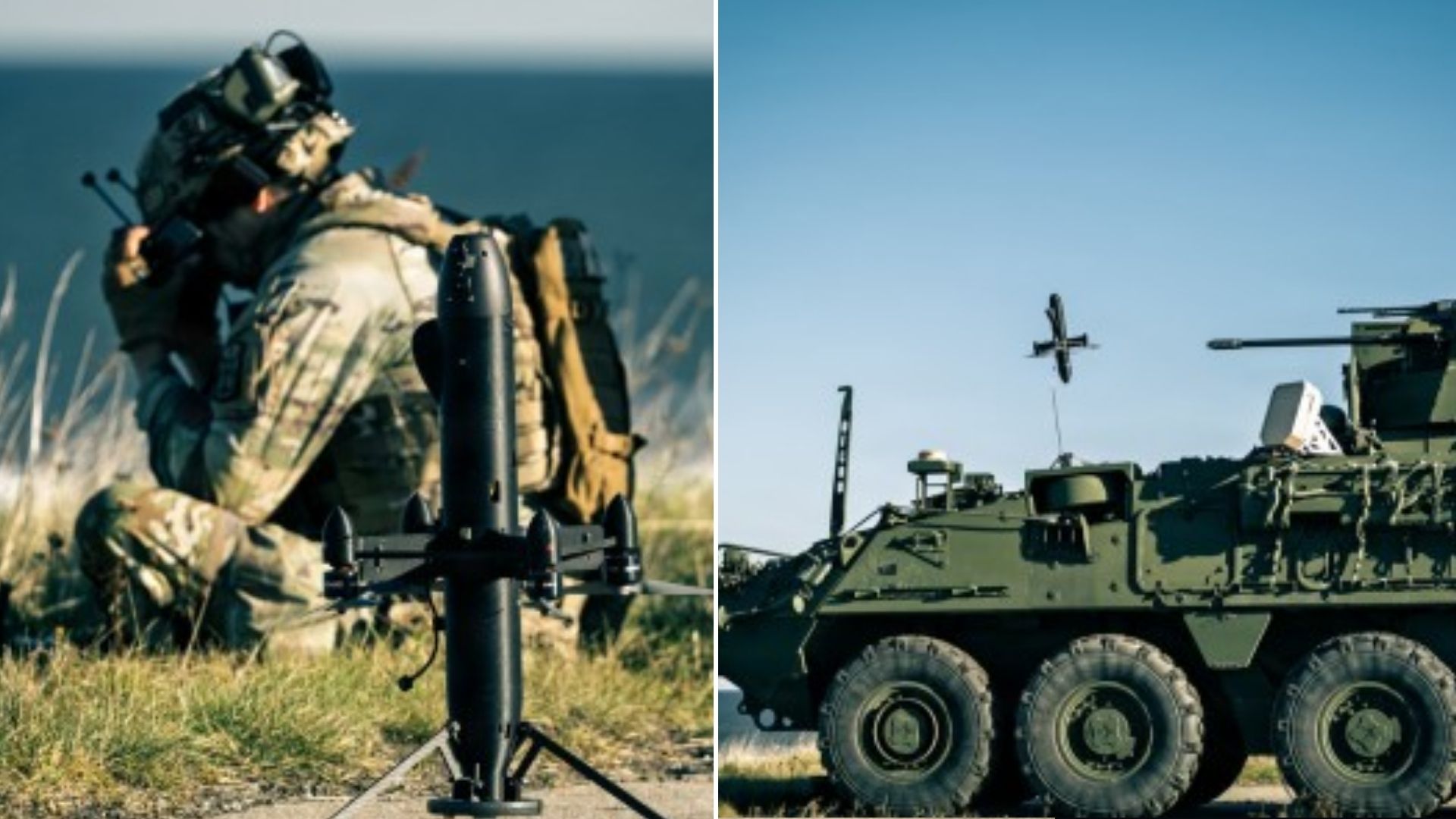
The US Army is testing a relatively low-cost drone interceptor in Poland as it looks for ways to counter massed unmanned aerial system (UAS) attacks without exhausting expensive air-defense missiles. The assessment focused on the FD-1, a first-person-view (FPV) interceptor designed to pursue and physically defeat hostile drones. The trials took place from November 2 to 6, 2026, at the Ustka Training Area in northern Poland under an exercise called Operation Audacious Fury. Soldiers from the Tactics, Integration and Employment (TIE) Battery of the 5th Battalion, 4th Air Defense Artillery Regiment evaluated the system against Group 1–3 drone threats. The exercise also focused on developing standardized operating procedures and training soldiers with no previous FPV flying experience. The Army wants to establish a system that other air-defense units can adopt to counter large numbers of relatively inexpensive drones. What is the FD-1 interceptor? Developed by Mountain Horse Solutions, a subsidiary of Global Ordnance, the FD-1 is a compact, single-operator FPV drone designed for both aerial interception and ground-target missions. Unlike conventional air-defense missiles, which use dedicated guidance and propulsion systems to reach an incoming target, an FPV interceptor is an uncrewed aircraft that can be directed toward another drone using a live video feed from its onboard camera. The FD-1 combines conventional FPV piloting with a visual tracking capability called Pixel-Lock. According to the manufacturer, an operator can identify a target and use the system’s tracking capability to support its terminal approach. The company says the interceptor can reach speeds exceeding 165 mph (265 km/h) and be prepared for launch in less than two minutes. The system is designed for one operator rather than a dedicated crew. Mountain Horse Solutions also says it can integrate with existing detection and tracking systems or operate independently. A human operator retains control and authorizes every engagement. The FD-1 is therefore different from a conventional surveillance drone. Its primary purpose is to intercept and physically neutralize other aerial vehicles, providing a kinetic option against small drones that might otherwise require more expensive defensive weapons. Why the Army wants cheaper drone defenses The growing use of inexpensive drones has created a difficult economic problem for military air-defense units. A relatively cheap unmanned aircraft can force defenders to expend precision-guided missiles costing hundreds of thousands or even millions of dollars. This imbalance becomes particularly challenging during massed attacks, when multiple drones arrive in a short period, and defenders must keep enough interceptors available to respond. The US Congressional Budget Office highlighted this challenge in its July 2026 report, Options to Counter Small Unmanned Aircraft Systems. It identified kinetic interceptors, electronic warfare, and directed-energy weapons as different approaches to defeating small drones, while emphasizing the importance of layered defenses. The FD-1 is intended to provide another option at the lower end of that defensive structure. Rather than using high-end missiles against every small aerial threat, soldiers could employ smaller interceptors while reserving more expensive weapons for targets that demand them. Training soldiers for a new air-defense role Operation Audacious Fury also focused on preparing personnel to use the technology across the Army. TIE Battery is developing tactics, techniques and procedures, alongside a training and certification system designed to turn inexperienced soldiers into qualified FPV operators. Lt. Col. John Verwiel, commander of the 5th Battalion, 4th Air Defense Artillery Regiment, said the objective is to standardize training and engagement procedures before expanding the capability to other units. Staff Sgt. Felix Aguilar said soldiers who enlisted as air and missile defense crew members are now learning to operate FPV drones and fly them over the Baltic Sea. The Army has not disclosed interception success rates, engagement costs, or the number of FD-1 systems evaluated during the exercise. However, the assessment demonstrates how counter-drone warfare is changing the role of traditional air-defense units. As inexpensive aerial threats become more numerous, the ability to field, operate, and replenish affordable interceptors could become just as important as the performance of individual weapons. Get the latest in engineering, tech, space & science - delivered daily to your inbox.Kaif Shaikh is a journalist and writer passionate about turning complex information into clear, impactful stories. His writing covers technology, sustainability, geopolitics, and occasionally fiction. A graduate in Journalism and Mass Communication, his work has appeared in the Times of India and beyond. After a near-fatal experience, Kaif began seeing both stories and silences differently. Outside work, he juggles far too many projects and passions, but always makes time to read, reflect, and hold onto the thread of wonder.
US Army tests 165-mph kinetic drone to defeat massed aerial threats in Baltic trials
Full Article
Original Source
Read the full article at Interestingengineering →KhanList aggregates and links to publicly available news content. We do not host full articles from third-party sources. Always verify important information with original sources.