
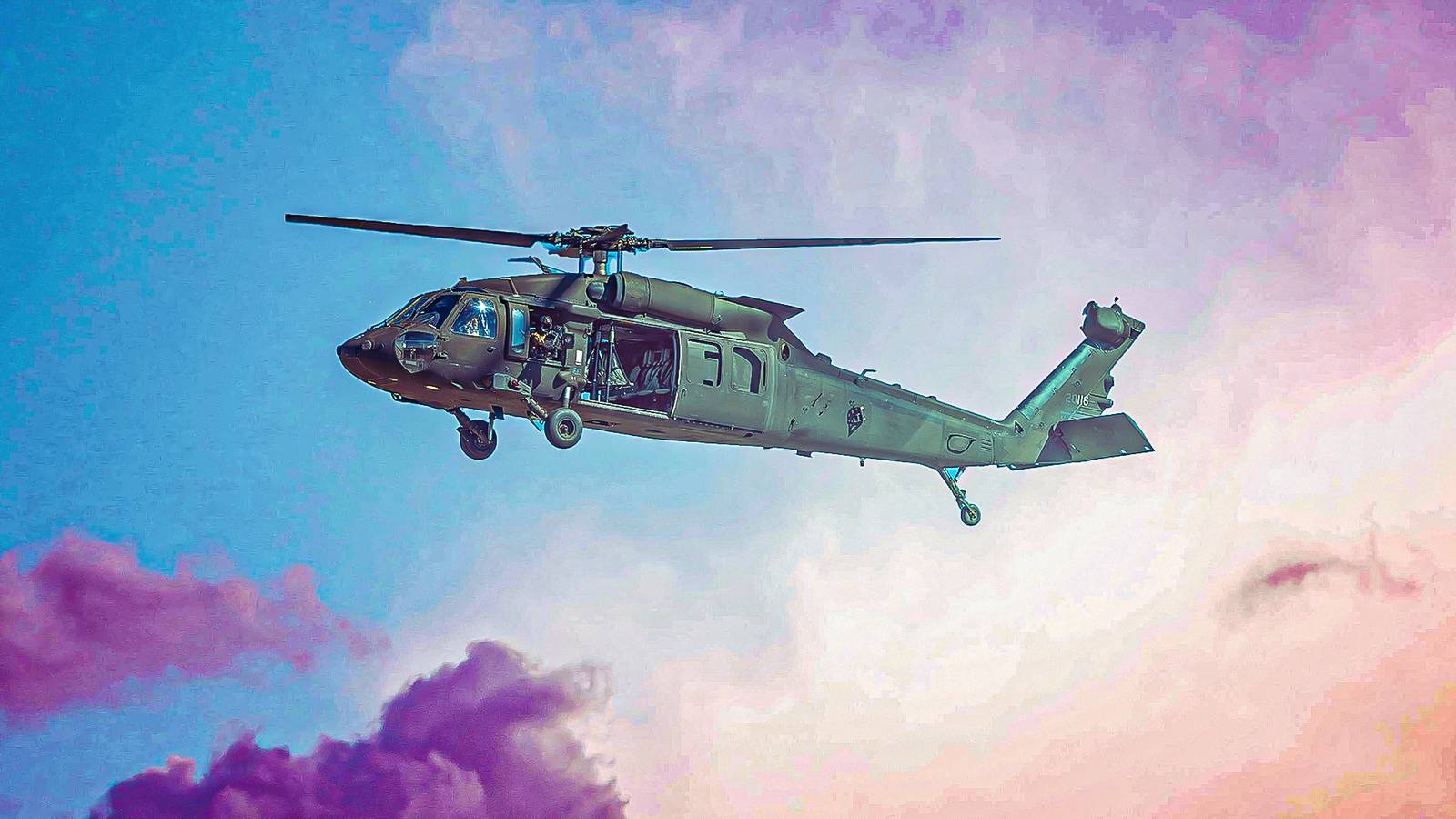
Published Nov 24, 2026, 9:13 PM EST Jack comes to Simple Flying with a lifelong interest in all things aviation. He holds a degree in Aerospace Engineering from Georgia Tech, and is a certified private and remote pilot. Beyond these experiences, Jack previously worked for a corporate flight department where he gained first-hand experience in the world of business aviation. Currently, Jack works in the professional services industry and continues to build his flight hours outside of work. The US Army is moving to resume helicopter training flights in airspace near Ronald Reagan Washington National Airport (DCA) as soon as the week of December 6, according to a recent report by Politico. That timeline comes less than two years after the January 29, 2025 midair collision between an Army Sikorsky UH-60 Black Hawk and a PSA Airlines regional jet operating as American Airlines Flight 5342 over the Potomac River, a disaster that killed all 67 people aboard both aircraft. Training operations in the corridor were halted in May 2025 after an Army Black Hawk came too close to Reagan National and forced approaching commercial airliners to abort landings. Resuming training requires Federal Aviation Administration (FAA) approval, and the service had not yet filed a formal request with regulators even as military officials briefed congressional staff on their plans. Regulatory Barriers Under Current Airspace Rules Credit: BravoKiloPhoto | Shutterstock Existing Federal Aviation Administration regulations explicitly exclude routine training from essential flight categories in the restricted zone around Reagan National. Under interim final rule 2026-01226, which took effect on January 23, 2026, and permanently closed Helicopter Route 4 between Hains Point and the Wilson Bridge, only rare essential flights may enter designated airspace up to 1,500 feet (457 meters) mean sea level. Those narrow exceptions cover lifesaving medical missions, active law enforcement responses to ongoing crimes, national defense or counterintelligence operations, continuity of government, and transport of the President or Vice President. The rule specifies that proficiency evaluations, routine training, and non-essential personnel transport do not qualify as essential operations. Because the regulation bars routine training inside the designated Potomac zone, military leaders would need either a formal regulatory modification or an approved authorization pathway before standard pilot currency missions resume. Federal Aviation Administration officials opened public comment on the interim rule through February 23, 2026, indicated a final rule would follow after reviewing submissions, eliminated visual separation within five nautical miles (9.3 km) of the airport, increased staffing and oversight, and required air traffic controllers to manage commercial runway use when essential vertical-lift aircraft enter restricted airspace. Investigation Findings And Fleet Safety Adjustments Credit: RaksyBH | Shutterstock Investigations by the National Transportation Safety Board and the Army traced the January 2025 collision to overlapping operational, technical, and airspace vulnerabilities rather than a single error. National Transportation Safety Board findings and reporting by Task & Purpose highlighted tight vertical margins near low-altitude river routes, radio frequency congestion, altimeter instrumentation discrepancies, and bright urban lighting that complicated visual detection at night. Investigators also noted that radio transmissions that might have helped crews confirm visual separation were missed or complicated by overlapping traffic. The National Transportation Safety Board issued 50 safety recommendations, including eight directed at the Army, and concluded that an Automatic Dependent Surveillance-Broadcast system could have alerted the airliner crew 59 seconds before impact. In response, the Army conducted fleet inspections, tested altimeters across Black Hawk variants, and reviewed crew separation procedures. These technical and procedural reviews reflect a broader effort to pair airframe checks with stricter altitude discipline across congested metropolitan corridors. Labor Resistance And Congressional Legislation Credit: Department of Defense Pushback from aviation labor unions and pending legislation on Capitol Hill complicate the Army's push for a December restart. Association of Flight Attendants president Sara Nelson condemned plans to bring military training back near Reagan National so soon after the fatal crash. Meanwhile, lawmakers remain divided over final statutory mandates governing shared airspace and traffic-alerting equipment. According to The Washington Sun and Senate Commerce Committee reporting, the Rotor Operations Transparency and Oversight Reform Act passed the Senate unanimously in December 2025 but stalled in the House, though leaders announced an agreement in principle in mid-November 2026 on a framework to reconcile competing bills before the end of the year. Negotiations involving the House Armed Services Committee remain central to settling how military helicopters and fixed-wing planes share crowded corridors, while commuters and airlines watch whether flight delays or runway adjustments could return. While Senators Ted Cruz and Maria Cantwell push to finish the legislation, unresolved details over military aircraft equipment requirements continue to draw scrutiny from safety advocates and families of the victims.
US Army Moves To Restart Washington DC Helicopter Training Flights 2 Years After Deadly Crash
Full Article
Original Source
Read the full article at Simpleflying →KhanList aggregates and links to publicly available news content. We do not host full articles from third-party sources. Always verify important information with original sources.