
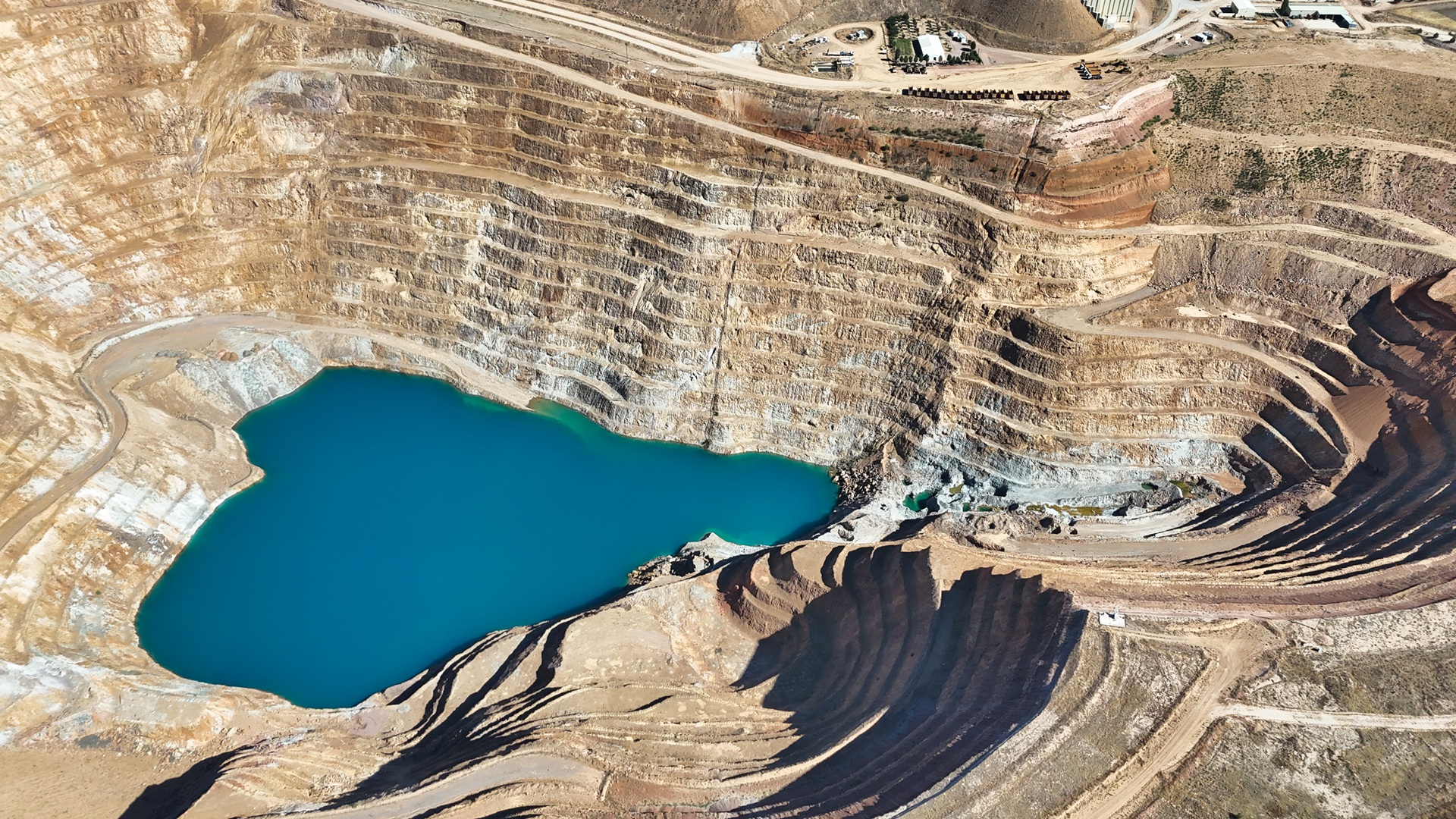
The US Army has recently launched a novel initiative to recover gallium, a critical mineral used in fighter jets, military radars, and advanced electronics, from gold mine waste after nearly 40 years without domestic primary production. Nevada-based defense engineering firm, SAFE Structure Designs, is developing a pilot project to recover gallium at the request of the US Army Corps of Engineers. The project will test new equipment to recover gallium from US sources, including waste left behind by gold mining. The effort comes four decades after the US stopped producing gallium. Prior to 1987, the critical metal which is used in the production of military jets and radar systems, was recovered as a byproduct of aluminum production from bauxite. The end of domestic production left the US dependent on foreign supplies. Now, engineers aim to bring gallium production back to the country. “This effort brings together American manufacturing, advanced research, and a shared commitment to strengthening our country,” Johnny Buscema, SAFE Structure Designs president and CEO, said. Gold mine tailings are fine, sand-like waste materials which are usually left behind after gold and other valuable minerals are extracted from ore. But although most of the valuable gold has been removed, these leftovers still contain other metals, such as arsenic, mercury, and most importantly, gallium. However extracting these minerals from gold mine tailings is challenging because they could be physically trapped, chemically altered, or ultimately present in low concentrations. To overcome this challenge, SAFE teamed up with researchers to develop specialized recovery equipment. The technology has already been proven in lab settings. The team now hopes to demonstrate that it could effectively work in the field. At the same time, the pilot will also test the equipment’s performance before decisions on future production and deployment. Gallium is particularly important to the defense industry as it is used to produce specialized semiconductors found in advanced radar systems, electronic warfare equipment, and military communications technology. On top of that, gallium-based parts are also used in satellites, telecommunications networks, and high-efficiency electronics. Drawing military attention According to SAFE Structure Designs, the project has also drawn interest from the Defense Logistics Agency (DLA), which manages military supplies. The agency’s research and development office provided a letter of support expressing interest in following the technology’s development, particularly its potential application to gallium recovery. The plan has also received backing from Nevada Governor Joe Lombardo’s Office of Economic Development and Nevada Lieutenant Governor Stavros Anthony. At the same time, State Senator Carrie Buck and US Representative Dina Titus have also expressed their support. Buscema said the company plans to collaborate with colleges and universities to train students and workers. “Our prayer is that this work will strengthen America’s critical minerals supply chain while creating meaningful opportunities for the next generation to learn, build, and serve,” he said in a press release.The programs would teach the students how to process valuable minerals, make advanced equipment, and operate and maintain recovery machines. “The pilot is intended to demonstrate gallium recovery from domestic feedstocks, including gold-mine tailings, and establish a foundation for future deployment and production,” the company concluded.Get the latest in engineering, tech, space & science - delivered daily to your inbox.Based in Skopje, North Macedonia. Her work has appeared in Daily Mail, Mirror, Daily Star, Yahoo, NationalWorld, Newsweek, Press Gazette and others. She covers stories on batteries, wind energy, sustainable shipping and new discoveries. When she's not chasing the next big science story, she's traveling, exploring new cultures, or enjoying good food with even better wine.
US Army eyes critical gallium for jets, missiles in gold mine waste after 40-year gap
Full Article
Original Source
Read the full article at Interestingengineering →KhanList aggregates and links to publicly available news content. We do not host full articles from third-party sources. Always verify important information with original sources.