
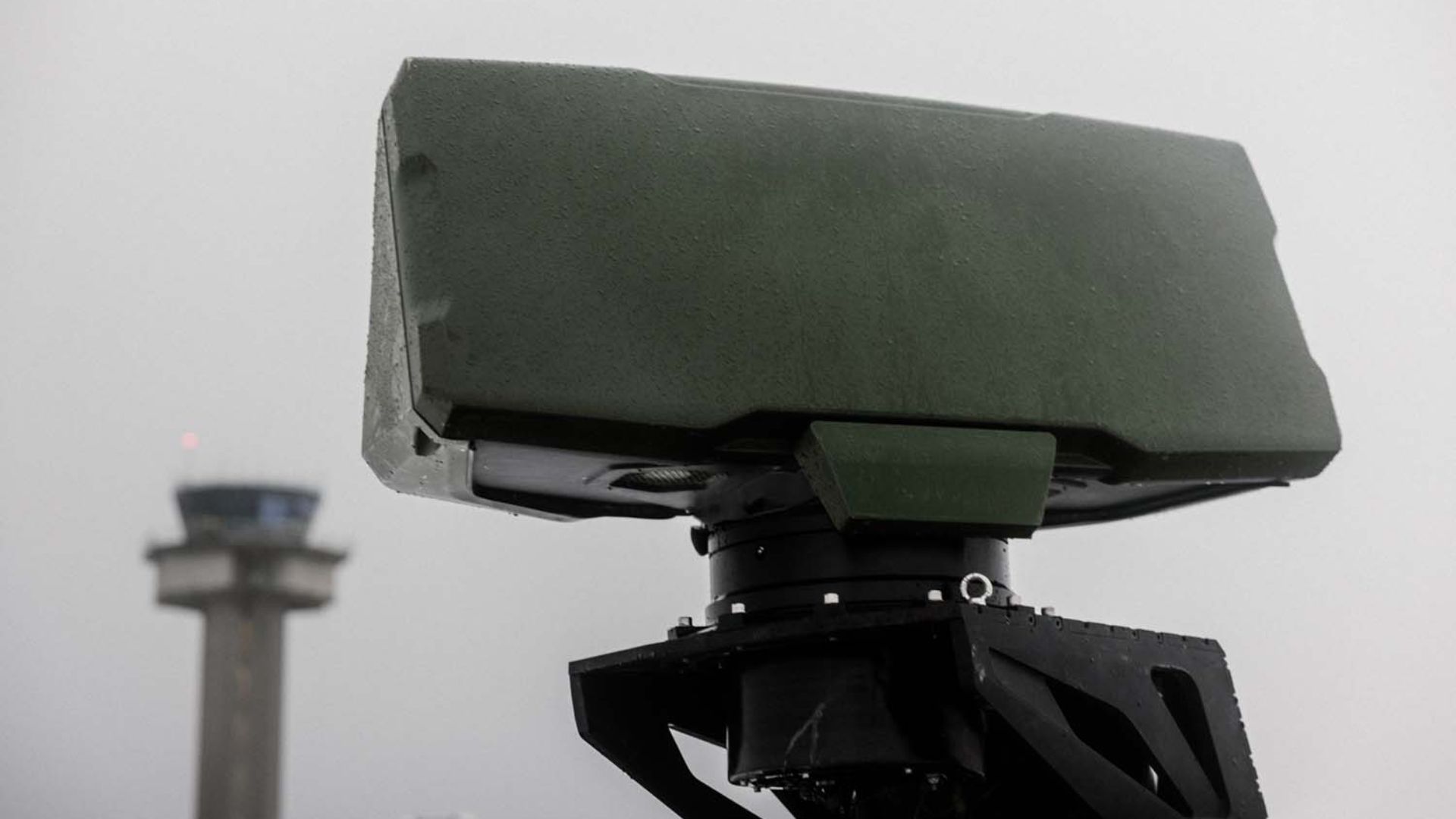
The Royal Navy carried out the first-ever demonstration of a distributed military radar network without any help from the global navigation satellite systems (GNSS). This feat was achieved using an atomic clock built by Aquark Technologies, a Southampton-based company, marking a major milestone in the development of sovereign quantum technologies in the UK. GNSS technologies are a crucial part of modern day military infrastructure and are also used by aviation, shipping and financial markets. The widespread usage of this technology also makes it a target for adversaries during times of conflict. GNSS is vulnerable to spoofing and jamming and its disruption can cause widespread damages. The government estimates that a 24-hour disruption could cost US$1.92 billion (£1.42 billion) each day. In such a situation, governments need to prepare a network radar system for military purposes that will continue to work, even when the GNSS is unavailable or disrupted. A time-server distributes the time-of-day information across a network to keep systems in sync. This is where an atomic clock, such as one built by Aquark Technologies, is required. Aquark’s Aqlock Based in Southampton, UK, Aquark Technologies uses ‘super-molasses trap’ approach as it looks to miniaturize atomic clock so that they are portable and easy to deploy. In this approach, atoms are cooled down to temperatures near absolute zero using lasers and changes are recorded by comparing the frequency of the clock to these slowed down atoms. Aquark has previously tested this approach on land platforms, naval surface vessels as well as uncrewed aircrafts. In their previous work, with the Royal Navy, Aquark tested the clock’s performance at sea onboard the HMS Pursuer. This time around, the tests that also involved Saab UK, makers of the Giraffe 1X radars, and were carried onboard the XV Patrick Blackett, the Royal Navy’s experimentation ship. Aquark delivered two quantum atomic clocks at two geographically different locations and were able to reach an acceptable timing signal in less than 30 minutes. A Giraffe 1X radar at Portsdown Hill, was then supplied with timing information that generally is provided by GNSS. What did the trial show? The trial showed that two operational systems could produce a single air picture, using only AQlock for timing. In their tests, the researchers also simulated situations when the timing was disrupted. The radar operators were able to observe the manipulations including deliberate misalignment of timestamps. This is important since cooperative radars use accurate timings to combine information coming in from multiple sources to generate a single picture. “This trial is a milestone in the development of UK sovereign quantum technology and a first-of-its-kind application of a UK atomic clock,” Matthew Aldous, Timing Lead at Aquark Technologies in a press release. “It’s the first known time that a pair of British built cold atom systems has been deployed in answer to a genuine defence challenge, and we’re very proud to work with Saab and the Royal Navy in this way.” As concerns grow about dependence on external satellite services, the trial is also a dmeonstration of how the UK is building sovereign alternatives for quantum and timing technologies. Get the latest in engineering, tech, space & science - delivered daily to your inbox.Ameya is a science writer based in Hyderabad, India. A Molecular Biologist at heart, he traded the micropipette to write about science during the pandemic and does not want to go back. He likes to write about genetics, microbes, technology, and public policy.
US ally uses atomic clock to trial military radar network during GNSS outage
Full Article
Original Source
Read the full article at Interestingengineering →KhanList aggregates and links to publicly available news content. We do not host full articles from third-party sources. Always verify important information with original sources.