
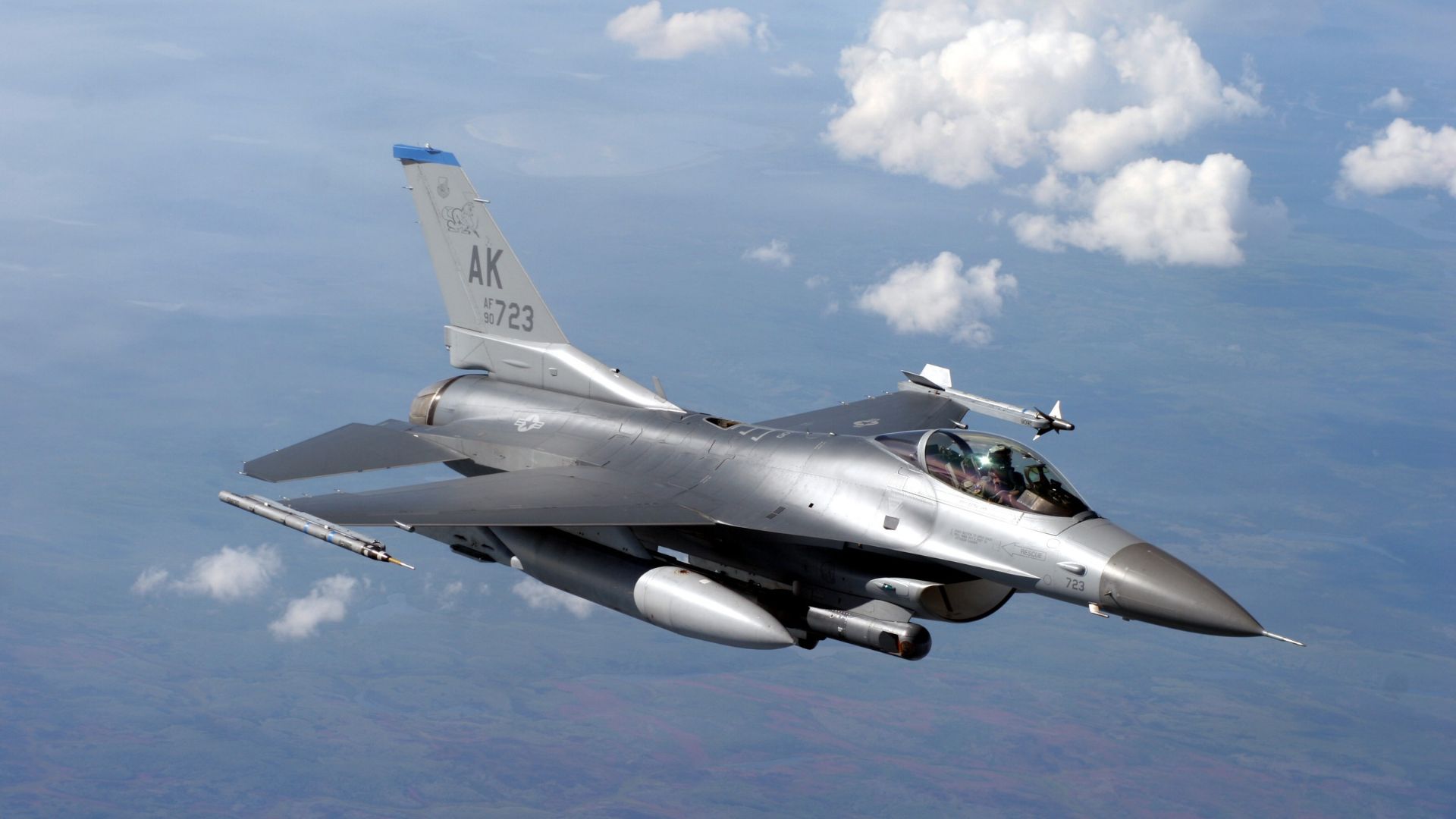
The US Air Force plans to buy 65 iridium catalysts for the F-16 Fighting Falcon’s backup power system, which helps pilots retain control if the fighter’s engine fails. The F-16 support office at Hill Air Force Base in Utah posted the request on the federal contracting site regarding the same. The Air Force expects to award a contract in March 2027 and have the parts delivered to Hill around September 22. It is preparing to buy from a single supplier but has given other companies until December 2 to respond. Air Force checks for other suppliers The notice said the service “intends to procure the items listed on a sole-source basis.” Before moving ahead, it wants to hear from companies that could supply the part and determine whether the purchase “can be competitive and/or a total Small Business Set-Aside.” A set-aside would reserve the competition for eligible small businesses. The notice listed the item as “CATALYST, IRIDIUM” and said it is “used on F-16.” It gave no price and left the current supplier unnamed. The Air Force lists the drawings and specifications as “Not owned by the Government.” That limits what the service can provide to prospective suppliers. A company seeking to compete would need to show that it could supply an equivalent part without relying on those drawings. The Air Force is using the December response period to gauge supplier interest ahead of the planned March award. The outcome will help determine whether eligible small businesses could bid for the work. Keeping control after power failure The F-16’s emergency power unit provides electricity and hydraulic pressure when the aircraft loses its normal sources of power. A small turbine in the unit drives both an electrical generator and a hydraulic pump, preserving the functions the pilot needs to steer the aircraft. That matters on a fly-by-wire jet. Moving the control stick sends an electrical signal, and the flight control system uses hydraulic pressure to move the control surfaces. A loss of power can interrupt that chain even if the surfaces themselves are intact. The emergency unit can use air from the engine to turn its turbine. If that air supply falls too low, the unit can run on its own fuel. The iridium catalyst helps the fuel release the gas that drives the turbine, allowing the system to work after an engine shutdown. What catalyst does NASA engineers who tested an F-16 emergency power unit in 2014 identified its catalyst as Shell 405, an iridium-based material also used in spacecraft thrusters. In the fighter, the catalyst lets the unit break down hydrazine fuel quickly without a separate ignition source. The resulting gas turns the turbine and keeps the generator and pump running. A 2022 US Air Force photo caption put the available backup time at roughly 17 minutes after an engine failure. Those minutes give the pilot time to assess whether an engine restart or a glide to a runway is possible. In either case, keeping the flight controls working gives the pilot a chance to act while the aircraft is still controllable. Get the latest in engineering, tech, space & science - delivered daily to your inbox.Atharva is a full-time content writer with a post-graduate degree in media & amp; entertainment and a graduate degree in electronics & telecommunications. He has written in the sports and technology domains respectively. In his leisure time, Atharva loves learning about digital marketing and watching soccer matches. His main goal behind joining Interesting Engineering is to learn more about how the recent technological advancements are helping human beings on both societal and individual levels in their daily lives.
US Air Force seeks 65 parts that help F-16 pilots steer after engine failure
Full Article
Original Source
Read the full article at Interestingengineering →KhanList aggregates and links to publicly available news content. We do not host full articles from third-party sources. Always verify important information with original sources.