
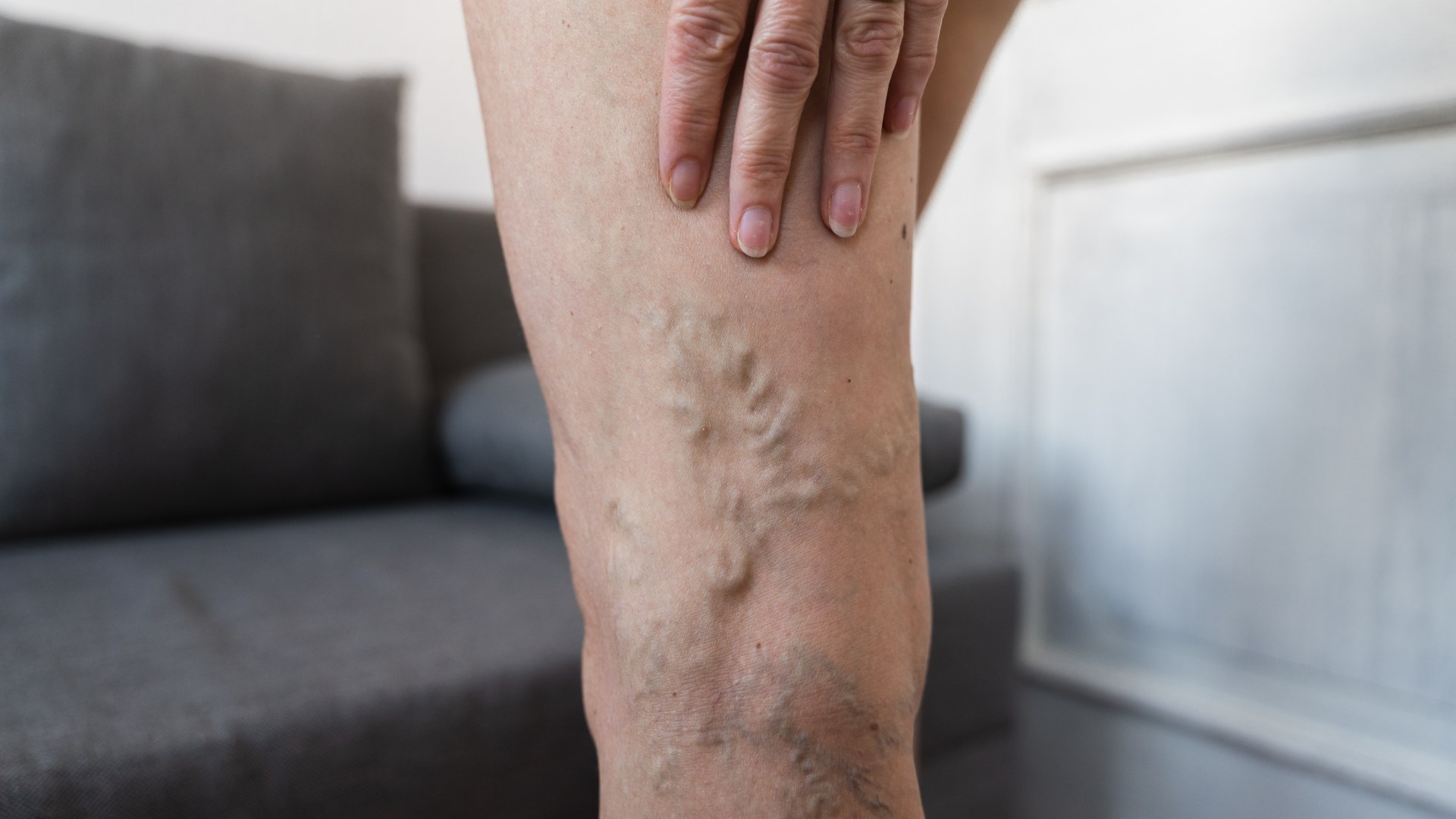
Credit: Getty THERE’S barely been a week this summer where temperatures haven’t climbed to the high 20s or 30s. For millions of Brits with varicose veins, this can pose a deadly risk to their health. Varicose veins are swollen, twisted or bulging veins that are visible under the skin, usually on the legs. They’re very common, affecting up to 20 million people in the UK at some point in their lives, according to the UK Vein Clinic. Sign up for the Health newsletter Thank you! The condition is caused by weakened valves in your vein walls, which means blood moves sluggishly through them – pooling in the veins and building up pressure. It’s not usually serious, though bulging veins may require treatment if they cause pain and swelling in the legs, or skin changes and ulcers. Read more on summer health But as the UK faces yet another wave of heat, Professor Mark Whiteley, a venous surgeon and founder of The Whiteley Clinic, says varicose vein sufferers could be at higher risk of dangerous blood clots. Left untreated, these clots could lead to deep vein thrombosis and a pulmonary embolism – when a clot blocks an artery in the lungs. According to Prof Whiteley, research suggests that “very small clots accumulating in the venous valves may cause local inflammation and contribute to conditions like varicose veins”. But hot weather, dehydration and lack of movement could all combine to lead to complications, he warns. Most read in Health Prof Whiteley explains: “When your body heats up, your veins dilate to help release excess heat, especially around the head and scalp. “This is why your face can appear redder and your veins more visible in hot weather.” Having varicose veins may mean you’re at higher risk of blood clots Credit: Getty Signs you have a blood clot Blood clots are gel-like masses that form in your arteries and veins. They help control bleeding but they can also cause serious medical issues, including deep vein thrombosis (DVT), pulmonary embolism and heart attack. Symptoms of DVT in the leg include: Throbbing pain in one leg (rarely both legs), usually in the calf or thigh Swelling in one leg (rarely both legs) Red, blue or darkened skin around the painful area – this may be harder to see on brown or black skin Swollen veins These symptoms can sometimes happen in your arm if that’s where the blood clot is. Ask for an urgent GP appointment or get help from NHS 111 if you think you have DVT. But you should call 999 or got to A&E if you have DVT symptoms as well as: Shortness of breath Chest pain This may mean a blood clot has travelled to your lungs. A pulmonary embolism can be life-threatening and needs treatment straight away. Sources: Cleveland Clinic, NHS But the heat can do more than just make you flush. It’s easier to become dehydrated in hot weather, and many of us make the mistake of not drinking enough water. “When you’re dehydrated, your body sweats out water, leaving your blood more concentrated and thicker,” says Prof Whiteley. “This increases the risk of clotting. “Add in reduced movement, common when people try to stay still to avoid overheating or are simply relaxing with the hot weather. “This causes blood flow to slow down, further increasing the risk of clots. “If you’re dehydrated, drinking alcohol, and already have varicose veins, your chances of developing a clot rises significantly. “If that clot travels to the lungs, it can cause a pulmonary embolism, a life-threatening blockage that prevents oxygen from circulating properly, potentially leading to a heart attack.” In order to reduce your risk of dangerous blood clots forming, Prof Whiteley suggests: Staying hydrated Not remaining completely still for long periods of time Avoid spending too long in the heat “Our body enzymes only work within a narrow temperature range,” Prof Whiteley says. “If we get too hot, those enzymes and cell structures begin to break down, like how an egg white turns solid when cooked. “That change is irreversible. If your body gets too hot, it can no longer function properly. “That’s what ultimately makes heat so dangerous.” Even light movement can help keep your blood flowing, the expert adds. Don’t go too hard during the hottest hours of the day – from about 11am to 3pm. And remember that too much alcohol and caffeine can undo your efforts to stay hydrated. Water will be the most effective, though squash, fruit juice and herbal teas can also give you a hydration boost. Aim for six to eight glasses of fluid a day. Comment now
Urgent warning to millions with varicose veins as hot weather comes with deadly risks – the 3 steps you can take
Full Article
Original Source
Read the full article at Thesun →KhanList aggregates and links to publicly available news content. We do not host full articles from third-party sources. Always verify important information with original sources.