
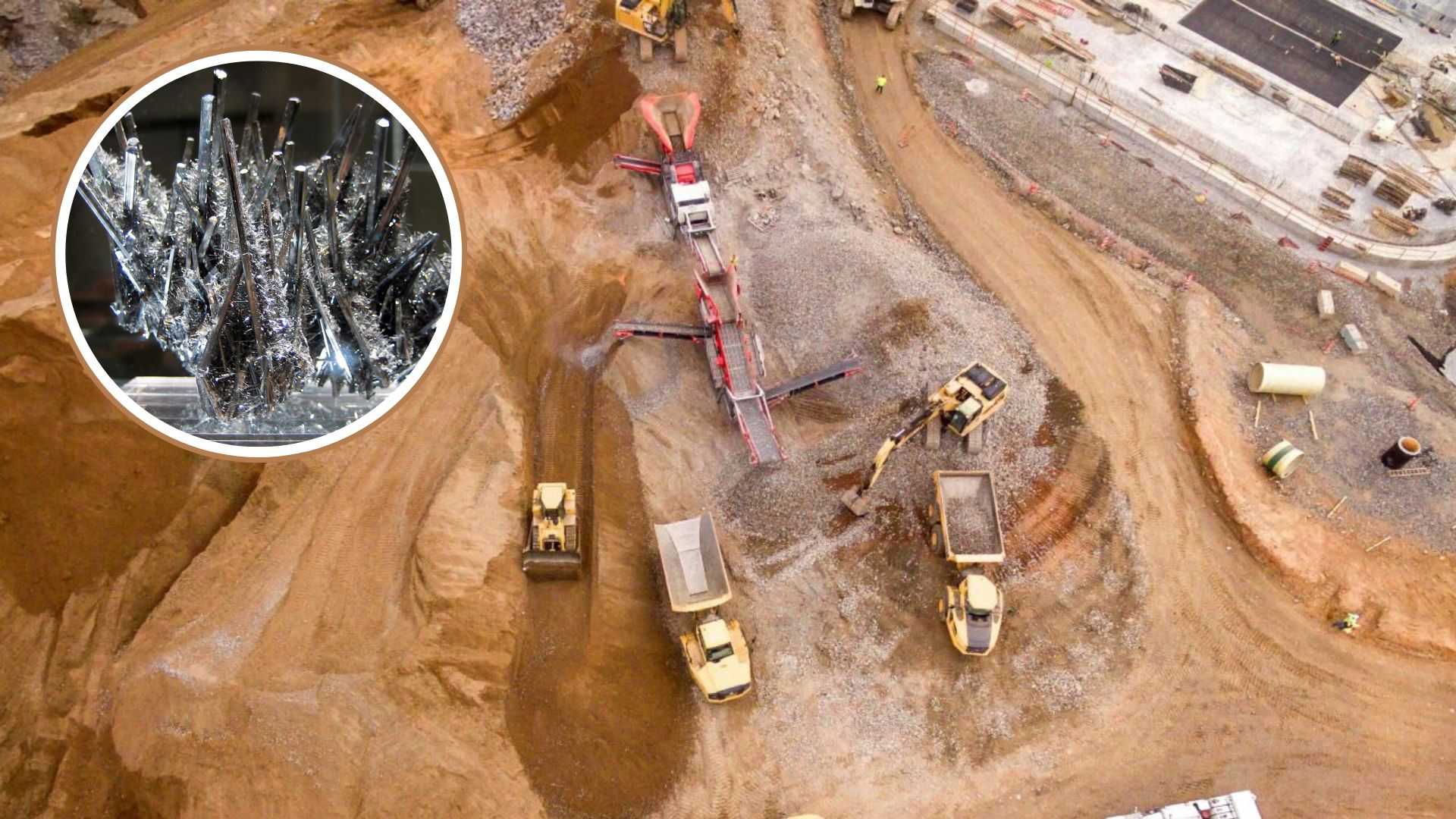
The United States could regain a domestic source of military-grade antimony through a planned refinery designed to process ore from Alaska. Frontier Antimony Refinery Corp., a wholly owned Felix Gold subsidiary, plans to produce high-purity antimony metal in the United States. Operations are targeted for the first half of 2028. The project addresses a major supply vulnerability. Antimony remains one of America’s most import-dependent strategic minerals. Vulnerable mineral supply The U.S. Geological Survey estimates that imports supplied 91% of U.S. antimony consumption in 2025. Domestic production has nearly vanished. No marketable antimony came from U.S. mines between 2001 and 2024. That creates challenges for defense manufacturers. Antimony strengthens ammunition and armor and supports military technologies, including night-vision systems and flares. It also serves civilian industries through flame retardants, batteries, semiconductors and other products. China tightened antimony export controls in August 2024. It then banned exports to the United States that December. Frontier director Joseph Webb said those decisions reflect a strategic shift. “Antimony is a national security metal, and supply in America is greatly limited,” Webb said. China, Russia and Tajikistan produce more than 85% of the world’s antimony. Military applications also require material that ordinary commodity supply may not meet. Frontier aims to produce antimony meeting MIL-A-22131 specifications, which requires at least 70% antimony content. “America cannot buy what it needs,” Webb said. “It must build it.” Alaska ore reaches refinery Felix Gold’s Treasure Creek project in Alaska will supply the refinery’s initial feedstock. Bulk sampling has received permits, and extraction is underway. Frontier also demonstrated its proposed processing flowsheet under pilot plant conditions in August 2026. The refinery will also accept third-party domestic and allied ore, potentially expanding its feedstock beyond Felix Gold’s Alaskan Treasure Creek project. The test ran the design through its full processing sequence. It marked an important engineering milestone before commercial construction. Engineering work has also progressed, and Frontier has completed a site-selection study. The company continues to finalize the refinery’s location. Felix Gold also plans to accept ore from other domestic and allied producers. That could expand the facility beyond Treasure Creek and support a broader U.S. supply chain. Potential customers could include defense manufacturers, semiconductor producers, energy storage developers and electric vehicle companies. Federal funding supports plans The Department of Energy has selected Felix Gold for negotiations over an award worth up to $18 million. The proposed funding would support capital costs for the Frontier refinery. Felix Gold was among nine projects selected to recover critical minerals and other valuable materials. DOE approval remains necessary before the funding moves forward. Antimony has become an increasingly important strategic concern for Washington. Executive Orders 14156 and 14241 identify it as a critical mineral with limited domestic production. Frontier must now turn pilot-scale results into a functioning industrial facility. If operations begin as planned in 2028, the refinery could establish a new domestic source of military-grade antimony. Its model could also connect other American and allied ore deposits with industries that currently depend heavily on foreign supply.Get the latest in engineering, tech, space & science - delivered daily to your inbox.Aamir is a seasoned tech journalist with experience at Exhibit Magazine, Republic World, and PR Newswire. With a deep love for all things tech and science, he has spent years decoding the latest innovations and exploring how they shape industries, lifestyles, and the future of humanity.
Upcoming US refinery eyes Alaskan ore for military antimony to cut 91% import reliance
Full Article
Original Source
Read the full article at Interestingengineering →KhanList aggregates and links to publicly available news content. We do not host full articles from third-party sources. Always verify important information with original sources.