
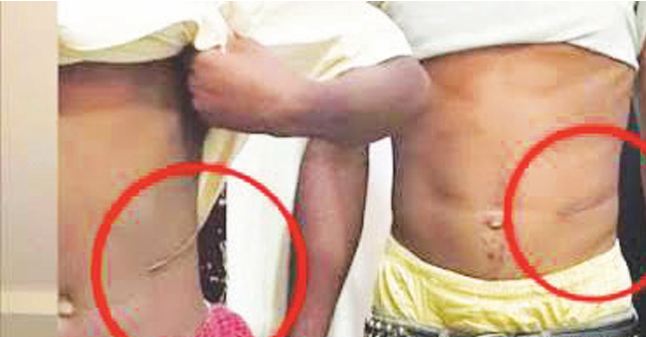
Reports of stolen and illegally traded kidneys have surged in recent months, with young Nigerians especially at risk. Cases have been recorded in Abuja and in parts of Delta and Plateau States. In some accounts, young men walked into hospitals and offered to sell a kidney. In others, patients who presented for minor procedures, later discovered that a kidney was missing. Still others were lured to private Facilities and pressed into “donation” under the guise of consent. The trade continues. Those who perform the procedures profit, while regulators and enforcement agencies have too often appeared indifferent. Norrison Quakers, SAN; Mandy Demechi-Asagba; George Oguntade, SAN; Okechukwu Nwaguma; Chiamaka Onwusonye and Tayo Faloye examine the kidney trade, the Nigerian legal framework that governs it, and the liability of the various actors in this criminal commerce Harvesting in Nigerian Medical Facilities Norrison Quakers, SAN Introduction Few forms of criminality are more abhorrent than the unlawful removal or harvesting of a person’s organs, under the pretence that the person is undergoing legitimate medical treatment. The gravity becomes even more disturbing where the alleged perpetrators are medical practitioners or other health personnel who exploit the trust reposed in them by patients, and where the hospital or medical facility is used as the instrumentality for the commission of the crime. The patient enters a hospital believing that the institution exists to preserve life, alleviate suffering and restore health. The surgeon is entrusted with the patient’s body, at a moment of exceptional vulnerability. That relationship carries with it, not merely a professional obligation, but a profound legal and ethical duty of fidelity. Where a medical practitioner deliberately removes an organ for which the patient never gave informed consent, the conduct cannot properly be characterised merely as medical negligence or professional misconduct. Depending on the circumstances, it may constitute a combination of trafficking in persons for the purpose of organ removal, unlawful removal or dealing in human organs, assault, grievous bodily harm, criminal conspiracy, obtaining by deception, homicide, and other offences recognised by Nigerian law, including kidnapping. Nigeria already possesses significant legal weapons, with which to confront this phenomenon. The principal challenge is therefore, not necessarily the total absence of law, but the need for the law to be deliberately, systematically and aggressively deployed. The issue deserves to be examined from five perspectives: constitutional protection of the patient; the law governing informed consent and removal of human tissue; trafficking and organ-removal offences; criminal and civil liability; and institutional accountability and regulatory reform. The Patient’s Body is Protected by the Constitution Section 33 of the Constitution of the Federal Republic of Nigeria 1999 guarantees the right to life, while Section 34 protects the dignity of the human person, and prohibits torture and inhuman or degrading treatment. Section 35 protects personal liberty, and Section 37 guarantees the privacy of citizens. These protections form an important constitutional foundation, for the protection of patients against unauthorised interference with their bodies. The constitutional significance of unlawful organ harvesting is therefore, profound. A person does not surrender constitutional protection, merely because he enters a hospital. Nor does the execution of a consent form for surgery, amount to a surrender of ownership or control over every part of the patient’s body. Consent to an appendectomy, is not consent to nephrectomy. Consent to a caesarean section, is not consent to removal of an organ unrelated to the procedure. Consent to surgery is not a licence to the surgeon, to do whatever he wishes with the patient’s body. The fundamental principle is patient autonomy. The Supreme Court’s decision in Medical and Dental Practitioners Disciplinary Tribunal v Dr John Emewulu Nicholas Okonkwo (2001) is particularly important, in understanding the legal significance of patient autonomy. The case concerned a patient’s refusal of a blood transfusion, and the Supreme Court recognised the fundamental importance of the patient’s right to make decisions concerning medical treatment. The principle has an obvious application to organ harvesting. If the law recognises the patient’s right to refuse a life-saving procedure, it necessarily follows that a medical practitioner cannot, without lawful justification, perform a materially different and substantially more invasive procedure than the one authorised by the patient. Informed Consent is the First Legal Barrier Against Organ Harvesting The doctrine of informed consent provides perhaps, the most immediate legal protection against clandestine organ removal. Nigerian law and professional regulation, require appropriate consent before medical interventions. Section 23 of the National Health Act and Rule 19 of the Code of Medical Ethics address informed consent, particularly in relation to medical procedures and surgery. The significance of consent goes beyond the mere existence of a signature on a hospital form. For consent to be meaningful, the patient must understand the nature of the proposed intervention. The professional obligation includes explaining the procedure, its implications and relevant risks and alternatives. The Nigerian Code of Medical Ethics, specifically addresses consent for surgical and diagnostic procedures. This becomes particularly important in an organ-harvesting case. A hospital should therefore, be unable to rely simply on a generic document stating: “I consent to surgery”. The law should insist upon a clear connection, between the consent given and the procedure actually performed. Where an organ has been removed, the hospital should be required to demonstrate: 1. the medical indication for the removal; 2. the identity of the surgeon who authorised and performed it; 3. the pre-operative diagnosis; 4. the procedure authorised by the patient; 5. the precise contents of the consent form; 6. the operative notes; 7.the anaesthetic records; 8. the nursing records; 9.the histopathological examination of the removed organ or tissue; 10. the identity of every person who handled the specimen; 11. the final diagnosis justifying removal; and 12 the destination and ultimate disposition of the organ or tissue. A discrepancy between the procedure authorised and the procedure performed, should trigger an automatic investigation. Section 48 of the National Health Act is Particularly Significant The National Health Act 2014 contains an important statutory restriction, on the removal of tissue from a living person. Section 48 provides, subject to specified exceptions, that a person shall not remove tissue, blood or blood products from the body of another living person except with informed consent granted in the prescribed manner, or pursuant to the statutory exceptions applicable to emergency medical investigation and treatment. The provision also creates offences for contravention. This provision should be deployed, much more forcefully. Its importance lies in the fact that, the law does not merely regulate transplantation as a medical speciality. It places a statutory restriction upon interference with the human body. The issue becomes even more serious where the tissue or organ is removed: • without consent; • by deception; • under the guise of another operation; • for financial gain; • for transplantation into another person; • for sale; • at the direction of a third party; or • as part of an organised network. In such circumstances, the conduct moves beyond ordinary medical malpractice, into the territory of serious criminality. Organ Harvesting May Constitute Trafficking in Persons and Kidnapping One of the strongest weapons available to the Nigerian State is the Trafficking in Persons (Prohibition), Enforcement and Administration Act. The legislation expressly recognises removal of organs as an object of trafficking. The statutory definition of trafficking includes recruitment, transportation, transfer, harbouring or receipt of persons through specified means for exploitative purposes, including removal of organs. Even more significantly, section 20 addresses conduct undertaken for the purpose of removing human organs. It criminalises, among other things, obtaining or inducing a person’s consent through force, deception, abuse of power or vulnerability for the purpose of organ removal. It also criminalises procuring, assisting or being involved in the removal of human organs and the buying and selling of human organs. The legislation prescribes severe penalties. This is crucial because a clandestine organ-harvesting operation within a hospital may satisfy the ingredients of trafficking even though the victim never travelled anywhere. Trafficking should not be understood exclusively as the transportation of a person from one geographical location to another. The statutory concept is broader. A person can be trafficked for the purpose of organ removal through deception or abuse of vulnerability. The patient who enters hospital voluntarily but is deceived about the operation may therefore be a victim of trafficking. The medical facility may become the location in which the trafficking offence is completed. Kidnapping is an ancillary and, in some cases, the principal offence in organ harvesting. A patient on whom surgery is performed without consent is presumed to have been abducted or kidnapped, which seems to be the case in recent past. Where a persons is taken, abducted, confined or unlawfully deprived of liberty for the purpose of harvesting an organ. Kidnapping is not merely incidental to the offence of organ trafficking, it may constitute a distinct and independently prosecutable offence. The Hospital Mustn’t Become a Sanctuary for Criminality The fact that an alleged offence occurs inside a hospital should never confer immunity upon the perpetrators. Indeed, the use of a hospital makes the offence potentially more serious because the perpetrators exploit an institution whose legitimacy and reputation provide cover for the crime. A hospital may contain: • operating theatres; • anaesthetic equipment; • surgical instruments; • pathology laboratories; • blood banks; • medical records; • pharmaceutical supplies; • mortuaries; • refrigeration facilities; and • trained personnel. Those legitimate facilities, can be abused by a criminal network. The appropriate response is therefore, to investigate the entire chain of responsibility, rather than merely the surgeon. Investigators should examine whether: • the surgeon acted alone; • another doctor recruited the patient; • a hospital administrator authorised the procedure; • nurses participated; • an anaesthetist was involved; • the pathology laboratory processed the specimen; • the organ was transferred elsewhere; • another hospital received it; • a transplant recipient was involved; • money changed hands; or • the hospital knowingly permitted its premises and facilities to be used. The concept of corporate or institutional responsibility therefore, becomes important. Criminal Conspiracy, Aiding and Abetting Organ harvesting is unlikely, in a sophisticated case, to be the work of only one person. A successful prosecution should therefore investigate conspiracy. Where two or more persons agree to commit an unlawful act, or to achieve an unlawful purpose through lawful means, the law of conspiracy may become relevant. Thus, if a surgeon, intermediary and hospital administrator agree that patients will be admitted for apparently legitimate operations but organs will secretly be removed and transferred to third parties, the prosecution should consider the appropriate conspiracy charges in addition to the substantive offences. Similarly, individuals who knowingly facilitate the offence may face liability, depending upon the applicable statutory provisions. The investigation must therefore follow the criminal enterprise, rather than concentrating exclusively upon the person who physically removed the organ. Criminal Law Should be Deployed Where the Removal Causes Serious Injury or Death Where an organ is removed without lawful consent, the prosecution should not assume that the only relevant law is the National Health Act or trafficking legislation. Depending on the facts and applicable Federal or State criminal law, offences involving unlawful violence, assault, causing grievous harm, attempted murder or murder may arise. The criminal classification will depend upon the evidence concerning: • the intention of the perpetrator; • the nature of the procedure; • the organ removed; • the injuries suffered; • whether the victim survived; • whether the victim was deceived; • whether financial benefit was involved; and • whether death was intended or foreseeable. If a patient dies because an organ was deliberately removed for an unauthorised purpose, the matter should be investigated as a potentially fatal criminal offence. and not reduced to a disciplinary issue within the medical profession. Professional Discipline is Necessary but Insufficient The Medical and Dental Council of Nigeria is responsible for regulating the medical and dental professions, and enforcing professional standards. The Medical and Dental Practitioners Act establishes disciplinary mechanisms for dealing with professional misconduct. The disciplinary jurisdiction is important. A practitioner who deliberately removes an organ without consent, may be guilty of extremely serious professional misconduct and may face suspension, removal from the register or other disciplinary consequences under the applicable law. But, disciplinary proceedings must not become a substitute for criminal prosecution. There is a fundamental distinction between: “The Doctor acted unprofessionally” and “The Doctoru committed a serious criminal offence against the person”. Where the evidence discloses the latter, the matter belongs simultaneously within the regulatory and criminal justice systems. Professional discipline protects the integrity of the profession. Criminal prosecution protects society and vindicates the victim. Civil proceedings provide compensation and other remedies. All three mechanisms should therefore, operate concurrently where appropriate. The Hospital’s Civil Liability Must Also be Examined A patient who suffers unlawful organ removal should not be left solely to the criminal justice system. Civil causes of action may arise in negligence, trespass to the person, battery, assault, breach of duty, lack of informed consent and other applicable causes of action. The law should recognise that unauthorised physical interference with a patient’s body, is fundamentally different from ordinary negligent treatment. A surgeon who makes a genuine medical mistake, may face negligence liability. A surgeon who deliberately removes an organ that the patient never authorised, raises a substantially different legal question. The hospital may also face liability where the evidence establishes negligence in recruitment, supervision, credentialing, monitoring or institutional governance, or where applicable principles of vicarious liability render it responsible for the conduct of its personnel. The victim should be entitled, where legally established, to seek compensation for: • physical injury; • loss of bodily function; • psychological trauma; • additional medical expenses; • loss of earnings; • future medical care; • disability; and • other consequential losses. Evidence Preservation is Critical Organ-harvesting allegations present an unusual evidential challenge, because the most important evidence may be controlled by the very institution accused of wrongdoing. This makes early preservation of evidence indispensable. Upon a credible complaint, investigators should immediately secure and preserve: Medical records Operating-theatre evidence CCTV where available; and access-control records. Financial evidence Biological evidence • removed tissue; • pathology specimens; • histology slides; • photographs; • DNA evidence where appropriate; and • records identifying the chain of custody. The destruction, alteration or falsification of medical records should itself be treated as a serious evidential red flag, and investigated under whatever criminal provisions are applicable. NAPTIP Should Play a Central Role The National Agency for the Prohibition of Trafficking in Persons is particularly relevant, because organ removal is expressly recognised within the Nigerian anti-trafficking framework. NAPTIP has also publicly acknowledged the need for collaboration with medical and law-enforcement institutions, to combat human organ harvesting. An effective national response should therefore, involve a permanent multidisciplinary framework involving amongst others: NAPTIP; Nigeria Police Force; Medical and Dental Council of Nigeria; Federal Ministry of Health; National Human Rights Commission; financial intelligence and asset-recovery agencies, where financial transactions are involved. The investigation of an alleged organ-harvesting syndicate, should not be left exclusively to the hospital or medical profession. An institution cannot reasonably be expected to investigate itself, where its officers or facilities are implicated. The Law Should Recognise the Vulnerability of Hospital Patients A patient under anaesthesia, cannot protect himself. A patient undergoing emergency treatment, may be unconscious. A frightened patient may lack the medical knowledge, necessary to understand what is being proposed. A poor patient may regard the doctor, as an unquestionable authority. A person admitted to a hospital therefore, occupies a position of considerable vulnerability. That vulnerability is particularly relevant under trafficking legislation, which recognises abuse of vulnerability and abuse of a position of power or authority, as means through which trafficking for organ removal can occur. Consequently, the law should not insist upon the crude stereotype, that an organ-trafficking victim must have been physically kidnapped. Deception within a medical relationship can be as effective as physical force. Hospitals Should be Required to Maintain an Organ-Removal Audit Trail One practical reform would be the establishment of a mandatory Organ and Tissue Removal Register, for every hospital authorised to perform procedures involving removal of organs or non-regenerative tissue. Every removal should record: 1. patient’s identity; 2. diagnosis; 3. indication for removal; 4. consent obtained; 5. identity of consenting person; 6. name and registration number of surgeon; 7. date and time of operation; 8. organ or tissue removed; 9. destination of specimen; 10. pathology reference; 11. recipient, where transplantation is involved; 12. authorisation under applicable transplant regulations; and 13. final disposition of the organ or tissue. The register should be subject to periodic independent audit. A hospital should not be permitted to say years later that “the records cannot be found”. Consent Should be Specific, Not Generic A particularly important reform, should concern the language of surgical consent forms. Consent forms should clearly identify the procedure and, where practicable, the organ or tissue intended to be removed. A generic consent to “operation”, should not automatically be treated as consent to removal of an organ. Where an unexpected organ must be removed during surgery because failure to do so would immediately threaten the patient’s life, the medical justification should be recorded contemporaneously and independently verified where practicable. This would preserve the legitimate emergency exception, without creating a loophole through which deliberate harvesting could be disguised as medical necessity. Independent Post-Operative Review Should be Mandatory in Suspicious Cases Where an organ is unexpectedly removed, particularly where the removal was not clearly contemplated in the pre-operative diagnosis and consent documentation, an independent medical review should be triggered. The reviewing doctor, should not be part of the original surgical team. In cases involving death or unexplained deterioration, an independent forensic investigation or coroner’s process may be necessary, depending upon the circumstances and applicable State law. This is particularly important, because the hospital’s own records may be central to establishing whether the organ removal was medically justified. Whistleblower Protection is Essential Hospital employees may sometimes be the first persons to discover an organ-harvesting network. The law should protect persons, who make good-faith disclosures concerning suspected organ trafficking. Without protection from retaliation, dismissal, intimidation or professional victimisation, insiders may remain silent. The creation of a secure reporting mechanism, preferably with options for confidential and anonymous reporting, should therefore, form part of the national strategy. Hospitals Should Face Institutional Sanctions Individual criminal prosecution, isn’t enough. Where a medical institution knowingly permits its facilities to be used for organ trafficking, regulatory authorities should have power to impose severe institutional sanctions, including: • suspension of licences; • withdrawal of accreditation; • closure of implicated units; • suspension of transplant privileges; • compulsory independent management; • administrative fines; • mandatory compliance audits; and • referral of responsible directors and officers for prosecution. This is particularly important, because an institution may benefit financially from criminal conduct, while the individual surgeon bears the immediate criminal liability. The law should ensure that, institutional profit cannot be separated from institutional responsibility. Asset Forfeiture Should Follow the Money Organ trafficking is ultimately, a commercial crime. Where organs are unlawfully harvested for transplantation or sale, there is likely to be a financial trail. Investigators should therefore follow: the patient – the medical facility – the intermediary – the recipient – the payment – the financial beneficiary. Where the law permits, proceeds and instrumentalities of the crime should be subject to freezing, forfeiture and recovery proceedings. This approach can be particularly effective against organised networks, because it attacks their economic incentive. The Role of the Courts The courts have an important role to play, in ensuring that the seriousness of these offences is reflected in appropriate judicial treatment. The courts should distinguish between: • genuine medical error; • ordinary medical negligence; • professional misconduct; • reckless medical practice; and • deliberate criminal exploitation of patients. The latter category should be treated with the full seriousness demanded by the law. At the same time, prosecutions must remain evidence-based. The allegation that an organ was unlawfully removed is extremely serious, and the criminal burden of proof remains upon the prosecution. The answer to a grave allegation is therefore, not relaxed evidentiary standards. It is better investigation, preservation of evidence, forensic expertise and competent prosecution. The Need for Legislative Reform Although Nigeria possesses important legal provisions, there remains a compelling argument for legislative strengthening. Recent Nigerian legal scholarship has identified gaps in the existing framework, including uncertainty concerning the specific legal consequences of harvesting organs without informed consent. The National Assembly should therefore consider a comprehensive Human Organ and Tissue Protection Act or substantial amendments to existing health and anti-trafficking legislation. Such legislation should expressly criminalise: 1. removal of a human organ without informed consent; 2. removal through deception; 3. removal under false medical pretences; 4. possession of unlawfully removed organs; 5. purchase or sale of unlawfully removed organs; 6. transportation of unlawfully removed organs; 7. concealment of unlawful organ removal; 8. falsification of medical records to facilitate organ removal; 9. use of medical facilities for unlawful organ harvesting; 10. conspiracy to harvest organs; 11. financing organ trafficking; and 12. destruction or concealment of evidence relating to organ harvesting. The legislation should also prescribe specific duties for hospitals, transplant centres, pathologists and medical practitioners. A National Organ-Traceability System is Required Nigeria should consider establishing a national traceability system for transplantable human organs. Every organ legally removed for transplantation, should have an auditable chain: donor – authorised medical facility – procurement team – preservation – transportation – transplant centre – recipient. The system should ensure that no organ can lawfully enter the transplantation chain, without documentation establishing its provenance. This would make it considerably more difficult for an unlawfully harvested organ, to be introduced into the legitimate medical system. Human Rights Institutions Must be Engaged The National Human Rights Commission should have an active role, in investigating allegations involving unlawful interference with patients’ bodily integrity. An organ removed without consent is not merely a medical problem. It is a human-rights violation, a possible criminal offence, a potential tort, and a professional-regulatory breach. The institutional response, should reflect all these dimensions. Conclusion The unlawful harvesting of human organs from unsuspecting patients under the guise of medical treatment, represents one of the most profound abuses of the doctor-patient relationship. It transforms the hospital – from a place of healing, into an instrument of exploitation. Nigeria’s existing legal framework already provides substantial tools for confronting the problem. The critical requirement is coordinated enforcement of the various laws. Where credible allegations arise, the response should not stop at asking whether the doctor committed medical negligence. Investigators must ask the much more fundamental questions: Was the patient deceived? Was the organ removed without informed consent? Who authorised the procedure? Who performed it? Who received the organ? Who paid for it? What happened to the organ afterwards? Who else knew? And, ultimately: Was the medical institution itself, used as an instrument of an organised criminal enterprise? The law must be deployed at every level – criminal, civil, constitutional, regulatory, professional and institutional. The central principle should be uncompromising: A patient’s trust in a medical practitioner, cannot become a licence to interfere unlawfully with the patient’s body. The fight against organ harvesting must therefore, move from occasional reaction to systematic prevention, detection, investigation, prosecution and institutional accountability. The objective should not merely be to punish those who have already committed the crime, but to make Nigerian medical facilities increasingly incapable of being used as safe operating environments for organ-trafficking networks. That is where the true preventive power of the law lies. Norrison Quakers, SAN, Constitutional Lawyer, Lagos Non-Consensual Organ Harvesting in Nigeria: Constitutional Breaches, Trending Cases, and Need for Organ Trafficking Prohibition Act Mandy Demechi-Asagba Introduction: The Jurisprudential Imperative The clandestine and non-consensual surgical excision of human organs, with particular emphasis on kidneys, has ceased to be speculative. It has crystallised into a verifiable pattern of organised criminality. This practice constitutes a direct and egregious assault on the inviolability of the human person, the sanctity of bodily autonomy, and the foundational principles of the rule of law. Recent developments have thrust the issue into the centre of legal and public discourse, demanding urgent legislative and prosecutorial attention. The Emerging Trend: From Allegation to Admissible Digital Evidence What was once dismissed as “urban myth” has now assumed the character of documented fact, substantiated by victim testimony and digital evidence disseminated in the public domain. The Abuja Case The most recent and troubling illustration is captured in a viral video published by social commentator and activist Mr Martins Otse, alias “VeryDarkMan” [VDM]. In the said video, a young man in Abuja alleged that he was induced to present himself at a private medical facility under the pretext of receiving medical treatment, only to later discover that one of his kidneys had been surgically removed without his prior knowledge or consent. The publication of the video elicited widespread public outrage and prompted formal petitions to the National Agency for the Prohibition of Trafficking in Persons [NAPTIP], the Nigeria Police Force, and the Federal Ministry of Health. It further renewed calls for the regulatory audit and investigation of unregistered surgical centres, operating within the Federal Capital Territory. Of greater concern are subsequent community reports emanating from the victim’s locality, indicating that the illicit trade in human kidneys is becoming normalised, with allegations that organs are being offered for sale at the sum of N7 million. Other Notable Incidents, 2023–2025 1. Domestic Raids: Joint operations by NAPTIP and the Nigeria Police Force in Lagos and Ogun State uncovered facilities linked to “baby factories,” wherein allegations of secondary organ harvesting were made. 2. Digital Recruitment: Intelligence and media reports indicate the proliferation of Telegram and WhatsApp syndicates functioning as “kidney brokers”. These groups openly advertise monetary inducements ranging fromN2 million to N5 million to vulnerable populations, including students and the unemployed, in exchange for organs. 3. Transnational Dimension: R v Ekweremadu, Beatrice Ekweremadu & Dr Obinna Obeta_ EWCC 7*. In this landmark decision, the Central Criminal Court in the United Kingdom convicted a serving Nigerian Senator, his spouse, and a medical doctor for conspiracy to arrange the travel of a Nigerian citizen to the United Kingdom for the purpose of non-consensual kidney harvesting. The case affirmed Nigeria’s position as both a source and transit country, in the global organ trade. The cumulative effect of these incidents is a crisis of public trust in the healthcare system, and a compelling case for immediate statutory intervention. These cases reveal a pattern: vulnerability + deception + professional complicity = organ crime. This is no longer isolated. It is organised crime, hiding in white coats. Constitutional and Fundamental Rights Violated The acts alleged in the Abuja VDM video and confirmed in Ekweremadu violate: 1. Section 34(1)(a) CFRN 1999: Right to Dignity of the Human Person Non-consensual removal, treats the human body as spare parts. The UK Court in Ekweremadu described it as “exploitation of a vulnerable person for reward”. 2. Section 33(1) CFRN 1999: Right to Life Unregulated surgery endangers life. Victims are often abandoned post-operation, without follow-up care. 3. Section 35 CFRN 1999: Right to Personal Liberty Luring by false pretences, as alleged in Abuja, amounts to deprivation of liberty. 4. Section 37 CFRN 1999: Right to Privacy and Bodily Integrity The body is the most private property. Surgical intrusion without consent is the gravest breach. 5. Section 17(3)(d) CFRN 1999: Protection from Exploitation Targeting poor young men with offers of money, violates State policy. In tort, this is battery. In criminal law, it is grievous harm + assault. In human rights law, it is slavery. Current Law in Nigeria and Its Inadequacies Statutes 1. National Health Act 2014, Sections 53 & 54: No organ/tissue removal without Written informed Consent. Commercial dealing in organs is prohibited. No mandatory minimum, no corporate liability, fine or imprisonment. 2. Trafficking in Persons Act 2015, Section 13: “Trafficking for organ removal” = Human Trafficking. Penalty: Minimum 5 years to Life + N1,000,000 fine. Rarely applied to Medical Professionals. 3. Criminal Code Act, Sections 335-338: Grievous bodily harm and assault. 14 years to life imprisonment on conviction. Does not specifically address organ trade. 4. Medical and Dental Practitioners Act:Cap M 8 LFN 2004 MDCN can strike off any doctor involved for Professional Misconduct. No Criminal Sanction. Jurisprudential and Legislative Gaps There exists a significant lacuna in Nigeria’s current legal framework. The statutes do not prescribe mandatory minimum custodial sentences of 20 years for offenders, nor do they impose corporate criminal liability on hospitals and medical facilities that aid or abet such acts. Furthermore, Nigeria lacks a centralised National Organ Transplant Registry, for the biometric verification and audit of all donation and transplant procedures. To date, there is no reported Nigerian judicial authority, directly addressing the offence of non-consensual kidney harvesting. Consequently, prosecutions have been limited to generic charges of assault occasioning grievous harm and human trafficking under the Trafficking in Persons Act. These charges fail to capture the peculiar gravity and lethality of the offence. A proper appraisal of the medical consequences, reveals the true nature of the harm. Non-consensual kidney harvesting, particularly when conducted clandestinely and without post-operative care or medical counselling, places the victim in grave and continuous danger to life. The victim is reduced to what may be described as a “walking time-bomb”, as the absence of a vital organ, coupled with zero follow-up, exposes them to renal failure, infection, and premature death. In both substance and consequence, the act is proximate to homicide. Comparative Jurisprudence United Kingdom – Foreign Authority 1. UK: R v Ekweremadu, Beatrice Ekweremadu & Dr Obinna Obeta EWCC 7 : Landmark conviction. A Nigerian Senator, his wife and a doctor were jailed for 9yrs 8mths, 4yrs 6mths and 10yrs for “conspiracy to arrange travel for organ harvesting”. Key Principle: Consent obtained by deception, reward, or power imbalance is invalid. The victim was lured with promise of work in UK. Facts: A 21-year-old Nigerian man was lured to the UK with a promise of work. He was told he was going for “medical tests”, to donate a kidney. Decision: Conviction for conspiracy to arrange travel for organ harvesting under Modern Slavery Act 2015, S.2. Legal Principle: Consent procured by deception or financial inducement is legally invalid. This principle applies directly to the Abuja VDM allegations. USA – National Organ Transplant Act 1984 Criminalises buying/selling organs. $50,000 + 5 years. Establishes that organs are not commodities. International Law WHO Guiding Principles 2010 and Council of Europe Convention 2015 both mandate free, informed consent and criminalise trafficking. Legal and Policy Recommendations To arrest the trend exposed by the Abuja VDM video and others, we propose: Enact the “Organ Trafficking Prohibition Act 2026” 1. Offence of Non-Consensual Removal: 20 years to Life + Asset Forfeiture 2. Offence by Facilities: N100M fine + Licence Revocation + Seizure. Directors personally liable 3. Offence of Trafficking/Luring: Life Imprisonment, as seen in Ekweremadu 4. Mandatory Video-Recorded Consent for all surgeries Find attached a draft proposed Bill to domesticate international standards, provide deterrent sentencing, and restore public trust in the healthcare system. Institutional Actions 1. Immediate Investigation: NAPTIP, Police, and MDCN must conclude investigation into the Abuja VDM case and publish findings. Victims cannot be ignored, because the case went viral. 2. National Organ Transplant Registry: Biometric matching like BVAS. No transplant without registration. 3. Joint Task Force: To raid and audit unregistered clinics in FCT, Lagos, Anambra. 4. Victim Compensation Fund: To provide dialysis and transplant for victims like the Abuja young man. Crucial Public Legal Education to Stop Organ Harvesting To stop organ harvesting, the law must be known before it is broken. People need to know 3 things: What is illegal, What are your rights, and Where to report. Conclusion The Abuja VDM viral video, is a wake-up call. The Ekweremadu conviction is a legal precedent. Together, they prove that Nigeria is both a source and destination for organ crime. This is a breach of Sections 33, 34, 35, and 37 of the Constitution. It is modern slavery in a surgical gown. The National Assembly must pass the Organ Trafficking Prohibition Bill 2026 before 2027. MDCN must name and delist every complicit Facility. The law must say clearly: Touch a body without consent, and you lose your liberty. The law must respond with equal severity. A person’s kidney is not a bargaining chip. A hospital is not a market. The ballot is not for sale. Neither is the body. In a nation “Beyond Limitations”, our first limitation must be: No one touches your body, without your permission. Justice for the Abuja young man. Justice for all victims. Life imprisonment for the perpetrators. Mandy Demechi-Asagba, President, African Women Lawyers Association -AWLA; former NBA 3rd Vice President, NBA 2022–2024 Organ Harvesting, Government Must Act Swiftly George Oguntade, SAN There is no doubt that the growing menace of kidnapping in Nigeria has assumed an alarming dimension, with increasing public concern about the possible connection between kidnapping, human trafficking and the illegal harvesting and trafficking of human organs. While allegations of organ harvesting must be established by credible forensic and criminal investigation, the possibility that vulnerable Nigerians could be abducted, deceived or coerced for the purpose of organ removal, is too serious to be ignored. The ‘Ekweremadu case’, is illustrative. It is therefore, imperative that the Federal Government treat kidnapping and organ trafficking as interconnected aspects of organised crime wherever the evidence establishes such a connection. Nigeria already has important legal provisions addressing these offences, including the National Health Act 2014 and the Trafficking in Persons (Prohibition), Enforcement and Administration Act 2015. The National Health Act regulates the removal and transplantation of human tissue and organs, while the trafficking legislation criminalises trafficking in persons for exploitative purposes. The Federal Government has also issued Standards and Guidelines for Organ and Tissue Transplantation Services. The principal challenge, therefore, is not simply the absence of laws, but their effective enforcement, coordination and adaptation to the sophisticated methods employed by organised criminal networks. Comprehensive National Monitoring System A comprehensive national system for monitoring organ transplantation, is urgently required. Every legitimate organ transplant should be traceable from the donor to the recipient, with proper documentation of the donor’s identity, medical assessment, informed consent, the source of the organ, its transportation and the institution where transplantation takes place. Living donors should be interviewed independently and privately, without the presence of recipients, relatives or intermediaries, and should have an unequivocal right to withdraw consent. Hospitals and medical practitioners involved in transplantation must be subject to rigorous licensing, inspection and audit, with severe criminal and professional sanctions for knowingly participating in illegal organ transactions. There is also a compelling need for a specialised inter-agency mechanism, to investigate suspected organ trafficking. The Nigeria Police Force, NAPTIP, the DSS, EFCC, immigration authorities and the Federal Ministry of Health should work together with forensic pathologists and specialised prosecutors. Where a kidnapped person is found dead or with evidence suggesting unlawful removal of an organ, investigators should employ a rigorous forensic protocol, including autopsy, DNA identification, medical and mortuary records, telephone analysis and financial investigation. Equally important is following the money: recruiters, intermediaries, medical practitioners, hospitals and financiers who profit from the trade must be identified and prosecuted, while the proceeds of crime should be traced and forfeited. Ultimately, Nigeria needs a national strategy based on prevention, detection, investigation, prosecution and victim protection. The State must make it extremely difficult to abduct a person, impossible to lawfully remove an organ without genuine informed consent, and difficult for an illegally obtained organ to enter the legitimate medical system. At the same time, victims of trafficking must be protected and assisted, rather than treated as criminals. The fight against kidnapping and organ trafficking cannot be won by harsher penalties alone; it requires effective intelligence, modern forensic investigation, accountable security agencies, properly regulated transplantation services and the political will to prosecute powerful individuals who may facilitate or profit from these crimes. George Oguntade, SAN, Lagos Organ Harvesting: More Widespread than Can be Seen Okechukwu Nwanguma Introduction The increasing allegations that patients have had their kidneys or other organs removed without their knowledge or informed consent, are deeply disturbing and deserve urgent attention. While every allegation must be independently investigated before conclusions are reached, the issue cannot simply be dismissed as rumour, particularly given previous cases and allegations reported in Kwara, Plateau and Ekiti State, as well as the recent allegations generating public concern. Legislation Nigeria already has laws, to address such conduct. The National Health Act 2014 requires informed consent in relation to the removal of tissue or organs from living persons, while the Trafficking in Persons (Prohibition) Enforcement and Administration Act criminalises trafficking in persons and related forms of exploitation, including organ trafficking. Where unlawful removal of organs is established, the Police, NAPTIP and relevant health regulatory bodies, including the Medical and Dental Council of Nigeria (MDCN), should work together to investigate and prosecute those responsible. Senator Ekweremadu The case involving Senator Ike Ekweremadu in the United Kingdom is instructive, because it demonstrated that organ trafficking can involve a network of actors, including intended recipients, intermediaries and medical professionals. Investigations in Nigeria must therefore, go beyond the individual surgeon or medical practitioner to uncover the entire chain of responsibility and establish who recruited, transported, facilitated, financed or otherwise participated in the unlawful activity. Offences There is also a need to examine seriously the increasingly disturbing allegations linking kidnapping with organ harvesting. If persons are abducted for the purpose of removing their organs, that would constitute an especially grave form of exploitation, involving not only kidnapping but potentially trafficking in persons, unlawful removal of human organs and other serious offences. Law-enforcement agencies should therefore, investigate credible reports of missing or abducted persons with an open mind, including the possibility of organ trafficking where the circumstances provide reasonable grounds for such inquiry. If established, such cases should be treated as organised criminal enterprises, rather than as isolated acts by individual kidnappers. Equally troubling, are testimonies attributed to former detainees of some notorious tactical Police units, suggesting that some persons allegedly subjected to extrajudicial killing, or persons who reportedly died in custody, may not have had their remains released to their families. These allegations raise questions that cannot responsibly be ignored, including what happened to the bodies of persons who allegedly died in custody and whether proper post-mortem, mortuary and burial procedures were followed. The allegations do not, by themselves, establish that organs were harvested, and it would be irresponsible to make such a conclusion without evidence. But, neither should they be dismissed without independent and credible investigation. The authorities should be able to account for every person taken into custody, every death occurring in custody, and the whereabouts and disposition of every body. Where a person dies in custody, there should be proper documentation, an independent post-mortem examination where circumstances warrant, preservation of medical and mortuary records, and notification of and access to the remains by the family. Where bodies are missing, unidentified or allegedly withheld from families, those circumstances should themselves be investigated. If evidence establishes any connection between unlawful detention or killing, disappearance of bodies and organ trafficking, everyone involved – including Police officers, medical personnel, mortuary operators, brokers and other accomplices – must be held accountable. At the same time, allegations must be investigated scientifically, independently and transparently. We need stronger informed-consent procedures, proper and tamper-proof medical record-keeping, traceability and accountability for removed organs and tissues, independent medical investigations, effective mortuary oversight and stronger regulatory supervision of hospitals and medical practitioners. Law-enforcement agencies must also develop the capacity to investigate organ trafficking as a specialised form of organised crime, including its financial and logistical networks. The guiding principle should be simple: patients do not surrender ownership and control of their bodies, by entering a hospital. Consent, bodily autonomy, accountability and justice, must be non-negotiable. Equally, no person who is arrested, detained or abducted should simply disappear from the system. The State has a duty to account for every person in its custody, and to establish the truth about every unexplained death or disappearance. Okechukwu Nwanguma, Executive Director, Rule of Law and Accountability Advocacy Centre (RULAAC) Illegal Organ Removal and Trafficking in Nigeria: Role of Law in Combating Related Crimes Chiamaka Onwusonye Introduction Reports of unlawful organ harvesting and organ trafficking have raised a difficult question: what happens when the institutions entrusted with preserving human life become instruments of exploitation? Organ transplantation, properly regulated, is a legitimate and valuable medical procedure resting on voluntary informed consent, human dignity and the prohibition of commercial exploitation. Where these safeguards are circumvented, the conduct ceases to be medical treatment, and becomes criminal exploitation. This concern is significant in Nigeria, where allegations and criminal investigations relating to organ removal have attracted public attention – including the arraignment, in 2024, of a medical practitioner in Abuja by the National Agency for the Prohibition of Trafficking in Persons (NAPTIP) under the Trafficking in Persons (Prohibition), Enforcement and Administration Act 2015 (“TIPPEA Act”). It is important to distinguish organ donation and lawful transplantation – neither of which is unlawful – from organ trafficking, which is concerned with the exploitation of persons to obtain their organs, and from unauthorised organ removal, the broader wrong of removing an organ without valid, informed consent, which may occur even without trafficking. The Supreme Court’s decision in Medical and Dental Practitioners Disciplinary Tribunal v Okonkwo (2001) 7 NWLR (Pt. 711) 206 remains instructive on patient autonomy, while the National Health Act 2014 gives this principle statutory force. This article examines how Nigeria’s legal framework – constitutional, statutory and professional – addresses unlawful organ removal, who may be held liable, the sanctions available, and what reforms are needed for effective enforcement. The Nigerian Legal Framework Nigeria’s legal response to unlawful organ removal rests on constitutional protections, health legislation, anti-trafficking legislation and professional regulation. Constitutional Protection of Human Dignity and Privacy Sections 34 and 37 of the 1999 Constitution protect the dignity of the human person and the privacy of citizens respectively. These provisions do not expressly create an offence of organ harvesting, but they provide the constitutional foundation for protecting bodily integrity and autonomy. The National Health Act 2014 Section 48(1) of the NHA provides, subject to statutory exceptions, that tissue, blood or blood products may not be removed from a living person except with the person’s informed consent, given in the prescribed manner. Section 48(2) prohibits the removal of non-replaceable tissue from a person below 18 years and prohibits removal for purposes of merchandise, sale or commercial gain. Section 48(3) attaches criminal consequences to contravention: a fine of N1,000,000 or imprisonment for not less than two years, or both. Section 51 of the NHA complements this, by regulating the removal of tissue from a living person for transplantation into another living person. Such transplantation must occur in an authorised hospital, upon requisite written authority, and requires an independent tissue transplantation committee. The Trafficking in Persons (Prohibition), Enforcement and Administration Act 2015 Where unlawful organ removal forms part of an exploitative trafficking arrangement, the TIPPEA Act becomes particularly significant. Section 20(1) criminalises specified conduct undertaken for the purpose of removing a person’s organs where circumstances such as force, deception, coercion, abuse of vulnerability or payments or benefits are established, attracting on conviction a minimum of seven years’ imprisonment and a fine of not less than n5,000,000. Section 20(2) extends liability beyond the person who physically removes the organ, to anyone who procures, offers, assists or is otherwise involved in the removal, buying or selling of human organs – punishable by the same minimum sentence. Section 20(3) further addresses the enlistment, transportation, delivery, accommodation or receipt of a person under 18 for the purpose of organ removal. Read together, these provisions treat organ trafficking as a networked criminal activity: the law is not confined to the surgeon, but reaches everyone who facilitates the exploitation. The 2025 Standards and Guidelines for Establishing and Coordinating Organ/Tissue Transplantation Services in Nigeria adds a further layer of institutional oversight, though its effectiveness will depend on enforcement. Who May be Held Liable? The Medical Practitioner A medical practitioner who performs an unlawful organ-removal procedure may face multiple, cumulative forms of liability. Criminal liability may arise under the TIPPEA Act where the statutory elements of trafficking or unlawful participation are established. Separately, the practitioner may face professional disciplinary proceedings, since professional discipline and criminal prosecution serve different purposes and may arise from the same conduct. The Supreme Court’s decision in Medical and Dental Practitioners Disciplinary Tribunal v Okonkwo (Supra) demonstrates that a practitioner’s professional responsibilities are not separate from the patient’s autonomy – a practitioner who deliberately exploits a patient’s trust to remove an organ without consent should face consequences extending beyond ordinary negligence. The Medical Facility A hospital or medical facility may become legally exposed where it knowingly participates in, facilitates or permits unlawful organ-related activities. Where a Facility is used as a platform for organised trafficking, liability may additionally arise under the corporate-offence provisions of the TIPPEA Act, where the statutory requirements for corporate or officer liability are satisfied. The corporate identity of a hospital should never become a shield, for individuals who knowingly use its facilities to facilitate criminal conduct. Recruiters, Intermediaries and Other Accomplices Organ trafficking frequently involves persons who never enter an operating theatre: a recruiter who identifies a vulnerable donor, an intermediary who arranges transportation, a negotiator of payment, a financier who funds the transaction. Section 20(2) of the TIPPEA Act is particularly important, because it expressly extends liability to persons who procure, offer, assist or are otherwise involved in the removal, buying or selling of human organs. Sanctions and Legal Consequences The legal consequences of unlawful organ removal fall under four principal heads: criminal, professional, corporate/regulatory and civil liability. Criminal Sanctions – Under Section 20 of the TIPPEA Act, qualifying organ-trafficking conduct attracts a minimum sentence of seven years’ imprisonment and a fine of n5 million; the same minimum applies to those who assist or participate under Section 20(2). Section 48 of the NHA separately prescribes punishment for unlawful removal of tissue, including a fine of n1million or imprisonment for not less than two years, or both. Professional Sanctions – A medical practitioner may additionally face professional disciplinary proceedings. Depending on the applicable framework and the findings of the disciplinary body, sanctions may include suspension from practice, removal from the professional register, or other disciplinary measures. Sanctions Against Medical Facilities – Where a Facility is implicated, consequences may extend to fines, regulatory sanctions and, where authorised by law, more serious corporate consequences. The TIPPEA Act contains provisions dealing with offences committed by corporate bodies and the responsibility of directors, managers and other responsible officers, where the statutory requirements are satisfied. Civil Remedies – Depending on the facts, an affected person may pursue civil remedies for negligence, trespass to the person, breach of duty and other actionable wrongs, with potential relief including damages for physical injury, medical expenses, loss of earnings and other proven losses. Where the injury is permanent, as the removal of a major organ may be, the assessment of damages must account for both the immediate and continuing consequences of the unlawful intervention. The Ekweremadu Case: A Comparative Perspective The Ekweremadu case is significant for three reasons. First, the law targeted the trafficking arrangement itself – the proposed kidney transplant did not have to occur, before the criminal justice system could intervene. Second, liability extended beyond the medical practitioner: the prosecution demonstrated that organ trafficking can involve medical and non-medical actors occupying different positions within the same criminal enterprise. Third, vulnerability was central to the analysis – the court recognised the exploitation of poverty and desperation, as a defining feature of the organ-trafficking trade. Lessons for Nigeria The UK case offers several lessons, for how Nigeria might strengthen its own response to organ trafficking. First, it underscores the importance of acting before the harm becomes irreversible. The case demonstrated that criminal law can intervene at the recruitment and conspiracy stage, well before any organ is actually removed. Nigeria’s enforcement agencies should similarly be resourced and mandated to disrupt trafficking arrangements early, rather than waiting for a completed offence to occur. Second, prosecutors should pursue the whole chain of actors, not just the surgeon. The case confirmed that recruiters, financiers and facilitators can be prosecuted alongside the medical actor who performs the procedure. Section 20(2) of the TIPPEA Act already provides this tool under Nigerian law, so the lesson here is one of enforcement will rather than a legislative gap: prosecutors should be as willing to charge the wider network as their UK counterparts were. Third, poverty and desperation should be treated as aggravating factors, rather than incidental background. The UK court’s emphasis on the exploitation of vulnerability is directly relevant to Nigeria, where socioeconomic desperation is often the entry point through which traffickers gain access to victims. Consent-verification mechanisms should therefore specifically screen for financial desperation as a marker of potential coercion, rather than merely recording that a form was signed. Fourth, Nigeria should build stronger cross-border cooperation. Because Nigerian organ-trafficking schemes frequently have an international dimension, as the Ekweremadu case shows, NAPTIP and Nigerian prosecutors should strengthen mutual legal assistance and intelligence-sharing arrangements with destination-country authorities, rather than treating each case as a purely domestic matter. Finally, sentencing should be used as a benchmark, rather than merely a headline. The severity of the UK sentences, reflects a judicial willingness to treat organ trafficking as comparable to other forms of modern slavery. Operating within the minimum sentences already fixed by Section 20 of the TIPPEA Act, Nigerian courts and prosecutors should be encouraged to impose sentences that reflect a similarly serious view of the offence. Kidnapping, Abduction and Violent Organ Removal Not every case of unlawful organ removal fits the trafficking model addressed above, in which a victim is deceived or induced into travelling for a promised reward or procedure. A distinct pattern, increasingly reported in Nigeria, involves the outright kidnapping of victims for the specific purpose of extracting their organs, with no pretence of consent, donation or reward at all. The sealing, in December 2025, of a hotel and mortuary in Imo State – after decomposed and mutilated corpses were discovered following Police intelligence linking the premises to a kidnapping syndicate – illustrates this variant starkly: victims are seized by force and killed for their organs, rather than persuaded through fraud or financial inducement. Earlier legislative alarm in Kogi State over so-called organ theft, reflects the same underlying phenomenon. This conduct sits closer to violent crime than to trafficking in the classic sense, although the two frequently intersect where a kidnapping syndicate also sells the harvested organs onward. Where organ removal is preceded by abduction, Nigerian law supplies an additional and independent basis of liability, separate from the TIPPEA Act. The Criminal Code Act and the Penal Code Act, both criminalise kidnapping, abduction and unlawful confinement, and several States have separately enacted dedicated Kidnapping (Prohibition) laws carrying severe penalties, including death or life imprisonment where the victim dies. These offences do not depend on proof of the deception, coercion or commercial-exploitation elements that Section 20 of the TIPPEA Act requires; the unlawful seizure and confinement of the victim, is itself sufficient to found liability. Arresting the Problem: From Legal Prohibition to Effective Enforcement The existence of legislation is only the first step; the more important question is whether the law can be deployed effectively to prevent the conduct, in the manner illustrated by the Ekweremadu case above. The following measures would strengthen Nigeria’s ability to do so: 1. Create a specific offence of unauthorised organ removal – Nigeria should consider amending the National Health Act, or enacting specific legislation, to expressly criminalise the intentional removal of an organ from a living person without informed consent — conduct that may fall outside the technical requirements of trafficking under Section 20 of the TIPPEA Act, and which currently leaves uncertain the position of a practitioner who removes an organ from an existing patient without consent. 2. Strengthen deterrence for kidnapping-driven organ removal and pursue the demand side – A specific, aggravated kidnapping offence, carrying a mandatory minimum sentence where the abduction is shown to have been for the purpose of organ removal, would supply a deterrent calibrated to the gravity of the harm, rather than leaving such cases to be sentenced as ordinary kidnapping. The demand side of the trade deserves equal attention: much as receiving stolen goods is itself a criminal offence, there is a strong case for treating the knowing purchase of an illicitly obtained organ in analogous terms. This will surely help in deterrence and ensure that a buyer carries out its due diligence before purchase. Tracing the recipients and purchasers of harvested organs – through hospital and transplant records, referral chains and financial payments – offers a practical route into dismantling a syndicate that may succeed where investigation of the abduction alone has failed. A buyer who purchases an organ obtained through kidnapping is not a passive beneficiary, but a participant whose money sustains the enterprise; such a person may be charged under Section 20(2) of the TIPPEA Act for buying a human organ and, depending on the facts and the buyer’s knowledge of and proximity to the underlying abduction, as an accessory to the kidnapping for assisting the perpetrators to profit from or conceal the offence. 3. Strengthen independent consent mechanisms – Consent for living-organ donation should not be reduced to the signing of a hospital form. An independent process should verify that the donor understands the procedure and its risks, is acting voluntarily, has not been deceived or unlawfully induced by financial benefit, and understands the right to withdraw consent. 4. Strengthen regulation of transplant facilities – The requirement for authorised hospitals and independent transplantation committees under Section 51 of the NHA should be treated as an active regulatory safeguard, not a mere administrative formality – supported by regular inspections, audits of transplantation records and enforcement against non-compliant facilities. 5. Strengthen inter-agency enforcement – Organ trafficking is unlikely to be addressed effectively by a single institution. All relevant authorities must share intelligence and coordinate investigations. Conclusion The problem of unlawful organ removal sits at the intersection of bodily autonomy, medical ethics, criminal justice and institutional accountability. Nigeria’s legal framework is not devoid of protection, yet, the existence of these laws does not guarantee effective protection. The distinction between trafficking and unauthorised organ removal, exposes a gap that deserves legislative attention: a patient who enters a hospital for legitimate treatment and has an organ deliberately removed without consent presents a different – and currently under-addressed problem from the classic trafficking case, and Nigerian law should ensure that neither situation falls through the cracks. Ultimately, the law must do more than punish the removal of an organ after the harm has occurred – it must dismantle the systems of deception, coercion and institutional complicity that make unlawful organ removal possible in the first place. The law must intervene before the operating theatre, not merely after the organ is gone. Chiamaka Onwusonye, Legal Practitioner, Ayodeji, Babajide and Lekan Partners Harvested Kidney Without Consent Tayo Faloye Ezekiel Samuel’s Story I have been keen to know more about the story of a young man, Ezekiel Samuel, who discovered his kidney was missing and took the matter to VDM. He claimed his left kidney was removed during a hospital visit. He did not give consent, and he did not know how it happened. I only bumped into snippets of the issue twice without the full disclosure. Sequel, the statement that he didn’t know how it happened got me curious. How is that possible? Can such a huge theft be concealed? A person cannot go under the knife for such a major surgery. without absolutely feeling no pain. There will also be a prominent surgical scar after it’s done. While the patient is unconscious during the illicit extraction due to general anaesthesia, the physical aftermath makes it impossible to hide that a major operation took place. So, it got me more interested and drove me to dig further before I could fully get the whole stories or episodes pierced together. Ezekiel Samuel was lured to an Abuja hospital by a close friend under the guise of receiving medical treatment for appendicitis, only to have his left kidney harvested without his knowledge. The kidney was harvested in early August 2026, and it took him approximately two weeks to discover that the organ was missing. Following the operation, he began experiencing severe physical discomfort, and unusual post surgery complications. Suspecting that something went wrong during the procedure, he underwent a preliminary medical check that revealed his kidney was gone. It prompted him to seek VDM’s intervention. When the Police moved to arrest the friend who lured him to the Facility, they discovered that the friend’s own kidney was also missing. The friend confessed to have willingly sold his own kidney too for N7 million, before acting as a scout to lure Ezekiel into the web, in an act of betrayal Deeper investigations that followed, unravelled a commercial black market organ syndicate operating in Abuja where multiple young residents have been targeted, or induced to sell organs. Since the case was escalated to the Police Force and the DSS, several individuals tied to the syndicate have been arrested, though the specific doctors who performed the illegal surgeries are currently on the run. From what is happening in the country, please be very cautious before undergoing any major surgery. Make sure you do the necessary scans and medical checks to confirm you truly need the procedure, and ensure that your vital organs are intact afterwards. There are unscrupulous doctors, exploiting medical ignorance of patients to perpetrate evil. Because victims trust doctors and cannot see inside their own body, they accept misleading explanations only to discover the truth months or years later, when the damage is done. Never rely on a single, unverified Facility for major surgical recommendations. Always seek a second opinion and independent diagnostic scans at an established, accredited hospital, before consenting to any surgery. Exercise caution with emergency claims. Be highly sceptical if an acquaintance or friend pressures you into a hurried, undocumented medical procedure. Demand formal medical paperwork, patient admission forms, and official identification from the attending medical staff. Verify hospital credentials, as illegal organ syndicates frequently operate through unlicensed backstreet clinics, or compromised staff within fringe medical facilities. This Ezekiel Samuel case reminds me of the Ike Ekweremadu London kidney saga. They’re similar, but structurally different. Both expose the dark realities of the black market organ trade involving vulnerable young Nigerians. In Ekweremadu’s case, the intent was illegal organ trafficking and exploitation in which the victim was legally supposed to sign off as a voluntary donor, before the bubble burst in the UK. In Ezekiel’s case, it was outright organ theft. He was deceived into believing it was about his appendix, only to discover he’d been ripped off a vital organ (kidney). A lot is going on in the country. Hunger and desperation, are leading to terrible things. The revelation that Ezekiel’s friend sold his own kidney for N7 million before luring Ezekiel, shows how financial desperation drives peer-to-peer recruitment. Any offers of fast money for medical donations or trials, should be immediately reported to law enforcement. Tayo Faloye, Lagos
Unlawful Organ Harvesting: Laws and Culpability
Full Article
Original Source
Read the full article at Thisdaylive →KhanList aggregates and links to publicly available news content. We do not host full articles from third-party sources. Always verify important information with original sources.