
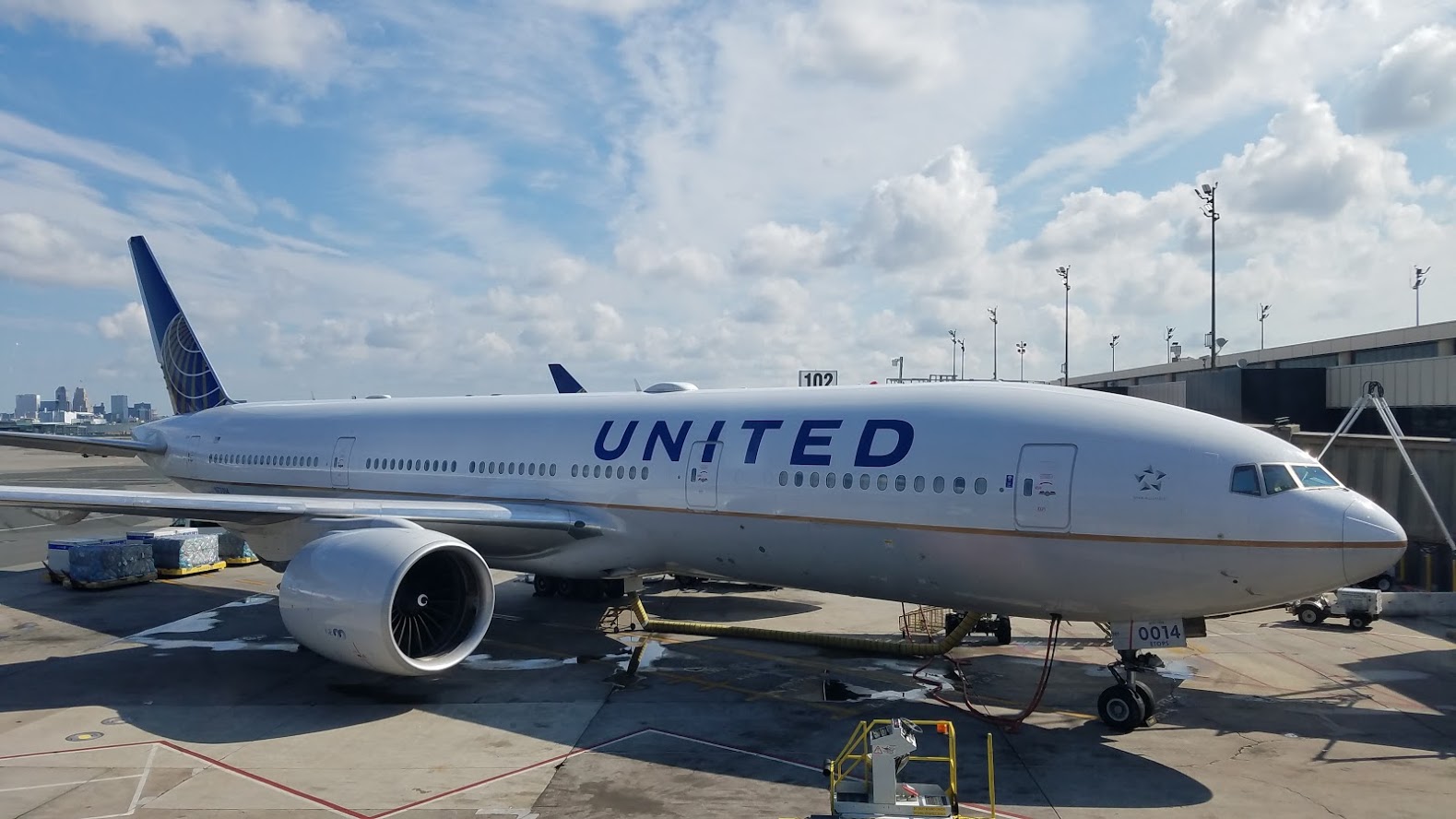
United Airlines CEO Scott Kirby says Boeing and Airbus have “quietly agreed” not to invest in new aircraft designs. He accuses the two manufacturers of holding back development because neither has enough competitive pressure to spend the money. He’s been asking for a Boeing 757 replacement for more than 20 years, he says, and still doesn’t have the airplane he wants. “We need a third aircraft manufacturer, to be blunt.” But a third aircraft manufacturer would split business further, making it tougher to recoup massive development costs. And we do have manufacturers of new technology aircraft – short takeoff and landing electric planes, supersonic ones, and suborbital aircraft. I think the fundamental problem is Boeing and Airbus have a global duopoly, and they have quietly, not officially agreed, but they have quietly agreed: “Neither one of us will invest in new airframes.” John Collison’s interview with Scott Kirby and Ben Thompson Kirby argues there’s a breakdown in competition, blaming investors who don’t want the manufacturers to spend on new airplanes: I’ve been begging them both for 20-something years to build a 757 replacement… Begging them, and they just won’t do it. He’s accusing Boeing and Airbus of at least tacit collusion. But I think the real answer here is that both companies just don’t see building what he’s asking for as likely to be profitable (at least given the risks). I was writing about Boeing’s proposed “797” a decade ago, when the company was discussing a new middle-of-the-market aircraft that might enter service around 2025. Boeing had been considering that market for many years before that. The hope was a plane bigger and with longer range than the largest 737s but less expensive to operate on thinner routes than a 787. You could serve a city across the Atlantic without needing to fill a large widebody to make the flight work. The 757 filled some of that role even though it wasn’t originally designed as a small transatlantic aircrafte. Airlines discovered uses for its range and performance but Boeing stopped producing it in 2004. I’ve criticized Boeing for leaving this market open while Airbus developed the A321XLR. Airbus delivered the first one to Iberia in October 2024. It’s an evolution of an existing aircraft family, but the added range lets airlines launch routes they couldn’t economically serve with their previous narrowbodies. Although even its range is disappointing compared to Airbus’s promises. There’s a real difference between saying neither company is investing and saying neither is building the entirely new airplane Kirby wants. Still, airlines have nowhere to go so neither manufacturer needs to make this expensive speculative bet. And Airbus would probably be cannibalizing its own sales by doing so. A new manufacturer could force investment by threatening to take orders away. Kirby is backing one possible entrant: JetZero, which is working on a blended wing body aircraft. The broad body helps generate lift instead of putting most of that work on wings attached to a conventional airframe. United announced an investment and conditional purchase agreement in April 2025. The proposed airplane is designed for about 250 passengers. The agreement provides a path to 100 aircraft with options for another 100. It depends on development milestones, including a full-scale demonstrator flight specified for 2027 in the announcement, and on the airplane meeting United’s operating and business requirements. Kirby acknowledges that the wider shape creates gate challenges, too. Any new entrant faces significant challenges. A ‘clean sheet’ aircraft might cost as much as $30 billion to develop. You’d need to be able to be pretty confident of selling 5,000 of them to get development costs down to $6 million apiece. And you have to front the money. First you have to hire the engineers that know how to do it. And you need enough credibility to partner with an engine manufacturer. Plus, you have no record working with the FAA on certification. And you face an uphill battle in sales, because existing airlines start with fleets of Boeing and Airbus planes, with pilots and mechanics trained on them, and with parts and supply chains. You need your customers to take the leap with you, which means you need to offer something so compelling that they can’t say no – either such an advance in technology or such a low price (precisely when you need the money) to overcome inertia, skepticism and their initial economies of scale. When governments have tried to force this to work like Russia and China, the efforts have not been successful. So the real opportunity isn’t ‘a new Boeing’ or a ‘third competitor’ that essentially mirros what Boeing and Airbus do today – though that would be great for airlines if they were willing to burn billions of dollars just to compete to get to lower margins than airframe manufacturers earn today. The opportunity exists in new technologies that deliver both lower costs and creat opportunities that don’t exist already – not Boeing 757 replacement, but suborbital aircraft that disrupt what long haul travel looks like, and electric aircraft that can take off on short runways and operate at lower costs delivering non-stop service to more destinations. Topics on this page
United CEO Says Boeing And Airbus Are Colluding Not To Develop New Aircraft
Full Article
Original Source
Read the full article at Viewfromthewing →KhanList aggregates and links to publicly available news content. We do not host full articles from third-party sources. Always verify important information with original sources.