
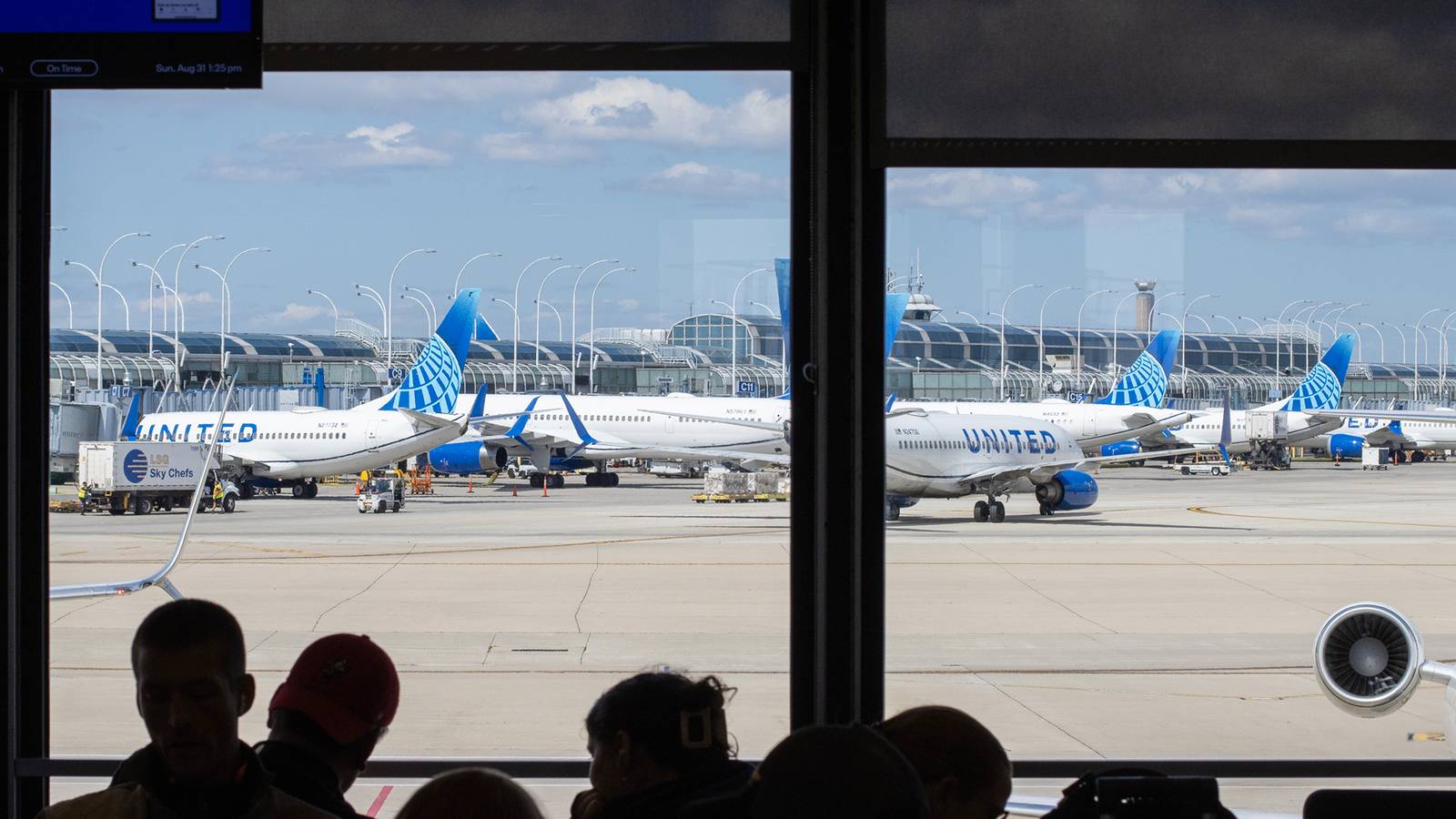
Published Nov 12, 2026, 2:00 AM EST Luke has over a decade of experience as a travel writer and aviation analyst. As a passionate traveler based across the Middle East and Asia, Luke offers strong insights into the industry. Based in South East Asia. United Airlines is banning third-party AI agents from booking or changing flights on behalf of passengers, warning that the tools could expose customer information and potentially violate federal regulations. The Chicago-based airline announced the restrictions on Wednesday, November 11, and added them to its Contract of Carriage, allowing it to cancel any reservation made or changed by an AI agent. AI agents are tools that can book and manage flights on behalf of users with little human input. Delta Air Lines was reported last month to be blocking similar tools, but United has become the first major US carrier to formally announce such restrictions. United Adds AI Booking Restrictions To Its Contract Of Carriage Credit: George Wirt | Shutterstock As first reported by The Wall Street Journal, the ban will apply across United's website and app, as well as through travel agencies and booking platforms. In its statement, United warned that sharing account login details with third-party AI assistants could put sensitive information at risk. It added that actions taken by these tools "may result in unintended purchases, account changes, or use of MileagePlus miles." The airline also raised concerns that automated AI actions could break Federal Aviation Administration (FAA) and Department of Transportation (DOT) rules. One example is the check-in process, which requires passengers to confirm that their bags do not contain prohibited items, such as explosives. United said, "United is taking steps to restrict access – directly within our digital platforms and indirectly via travel agencies and aggregators – to prohibit use by unauthorized, third-party personal AI agents or assistants. This work includes updates to our booking, ticketing, and distribution policies." What United's AI Booking Ban Actually Means Credit: Tada Images | Shutterstock The changes are laid out in United's revised Contract of Carriage. Rule 6.J.6 adds "the use of AI Agents to make, modify or service a Ticket, and/or to purchase any service or product" to the airline's list of prohibited ticketing practices. United's definition of an AI agent is broad, covering AI assistants, standalone agents and even AI-enabled browsers. Importantly, its ban applies even if a passenger is overseeing the agent or approves its actions. A separate clause, Rule 5.H, will give United the right to cancel reservations made or managed by AI agents without notice. This means passengers could potentially lose a booking even if they had personally instructed an AI assistant to make it on their behalf. United’s move makes it the first US airline to officially ban third-party AI agents from handling bookings. However, airlines are continuing to invest heavily in AI to support their own ticket sales. This has also led to concerns about 'surveillance pricing,' with the Federal Trade Commission (FTC) recently ordering Delta, United and JetBlue to explain how they set their fares and whether personal data plays any role. Do AI Agents Break Federal Rules? Credit: Karolis Kavolelis | Shutterstock United's concerns about the check-in process are primarily due to federal rules on hazardous materials. Under 49 CFR 175.25, airlines must tell passengers about the dangerous goods they are prohibited from carrying, both when they buy a ticket and when they check in. Passengers must then acknowledge that they have received this information. United's argument is that allowing an AI agent to complete check-in on someone's behalf could bypass this required acknowledgment. However, there also appear to be commercial reasons behind the decision, after United CEO Scott Kirby said at an event in Chicago that he did not want "to create another middleman." Speaking to CBS News, aviation analyst Henry Harteveldt also pointed out that flight searches cost airlines money, meaning United may want to avoid the expense of a surge in automated searches from AI bots. If personal agents begin searching for thousands of flight combinations on behalf of users, airlines could face significantly more automated traffic without necessarily generating additional bookings.
United Airlines Officially Bans AI Agents From Booking Your Flights And Checking You In
Full Article
Original Source
Read the full article at Simpleflying →KhanList aggregates and links to publicly available news content. We do not host full articles from third-party sources. Always verify important information with original sources.