
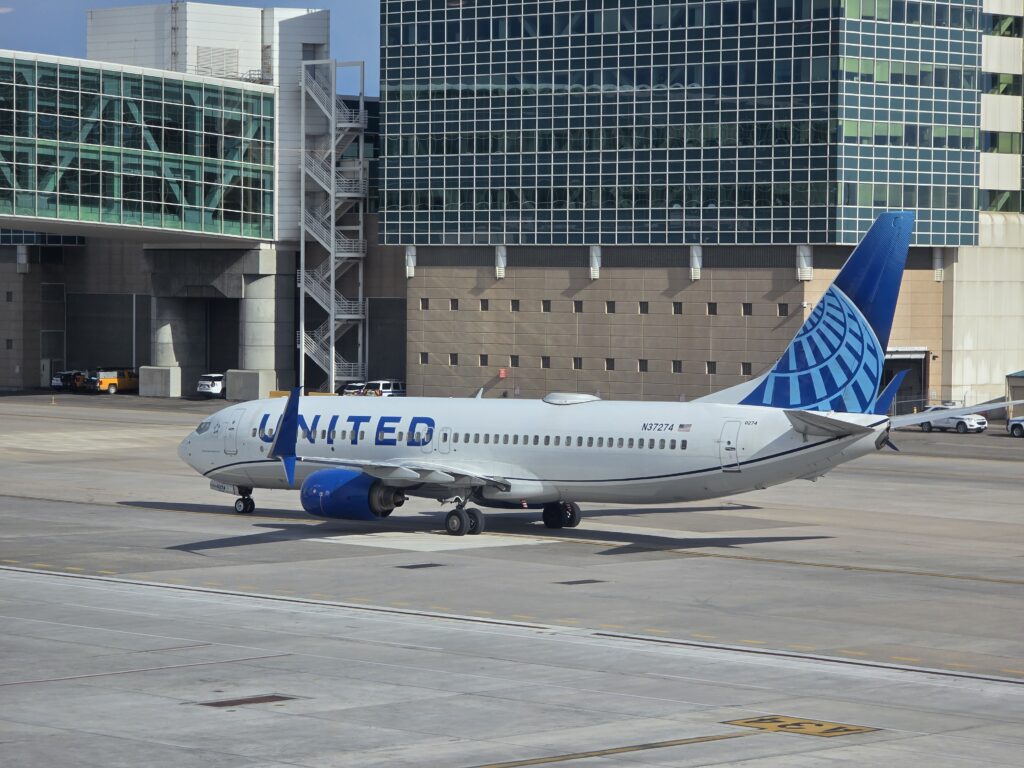
United Airlines is banning personal AI assistants from booking flights. Its new contract of carriage goes beyond United.com to agents working through travel agencies, and applies even when a customer supervises or approves what the software does. The airline cites privacy, unintended purchases and regulatory requirements. But CEO Scott Kirby revealed the real reason at an event in Chicago. “To be honest, I don’t want to create another middleman.” I get that they want to negotiate the terms before a new company gets between United and its customers. But United can’t just decide that customers will have to do the work themselves and expect that all customers will go ahead and do the work to buy tickets from United when it becomes easier just to buy from someone else. And writing a ban into a contract doesn’t mean United can actually identify an AI booking that comes through Expedia. The Ban Reaches Beyond United’s Website United’s November 11 contract of carriage revision adds AI agents to its prohibited ticketing practices. Rule 6.J.6 bans: The use of AI Agents to make, modify or service a Ticket, and/or to purchase any service or product. The definition includes assistants accessing United through a travel agency or another intermediary. Human supervision or approval doesn’t circumvent that. And its Rule 5.H gives United the right to cancel reservations made, modified or serviced by these agents. The Wall Street Journal says agents can still present United flights and prices. AI research, followed by the customer making a purchase on their own, doesn’t run afoul of United’s rules. United Wouldn’t Know If An AI Agent Bought Through Expedia? Expedia already has a ChatGPT integration. It returns flight and hotel options with prices and availability. Expedia’s current instructions then send the customer to Expedia to complete the purchase. It’s not an autonomous purchase inside ChatGPT, but if an agent completes the purchase on Expedia United just sees an Expedia booking not how the booking was made. United says its systems can identify booking sources. Sure, but that is a non-sequitur. A contractual ban isn’t a technical one. United may push intermediaries to enforce the restriction, but there are lots of intermediaries out there. But we’ve seen airlines go to war with online travel agencies before, cutting off their own sales. The Strongest Case For United Is About Bargaining Power United may want to limit access to its sysems: The next middleman could become expensive. An assistant that decides which flights customers see can eventually demand referral fees, sell placement or favor suppliers that agree to its terms. Sam Altman says that if an AI does this, no one will trust it, and the stakes are too high to compromise trust for a travel commission. Someone has to own the mistakes. An agent can buy the wrong dates, misunderstand a fare restriction or cancel a ticket the customer wanted to keep. Agencies have commercial arrangements for ticketing and servicing. An AI assistant operating a browser may not bring the same accountability. And the law is evolving here. I’ve covered Delta’s own AI canceling a return flight it said it would preserve. Delta acknowledged a bug and restored the itinerary. Shopping consumes resources even when nobody buys. An agent can compare far more combinations than a human. The International Air Transport Association has examined the cost of growing search volumes. But United isn’t banning search, just completing the transaction. United can do this now, but it won’t last. The airline says agent bookings are still rare. That makes this a relatively inexpensive time to withhold permission. Every customer who gets used to buying another airline through an assistant becomes harder to win back. And the same customers most likely to use an AI assistant are the ones most likely to come over to United for Starlink. United has a hub in San Francisco. It’s ultimately not going to work for Scott Kirby to stand athwart history yelling “stop!” Customers Have A Reason To Hire The Bot United’s safety argument is weak. The federal hazardous-materials rule requires passenger notices, including at ticket purchase where practical and at check-in, and passenger acknowledgment in self-service transactions. It doesn’t require the customer to manually complete every other step of a booking. An assistant can stop and ask the passenger to review a disclosure or give a required confirmation. United’s definition still covers an agent whose actions the customer supervises and approves. Nor does accepting an agent have to mean giving unfamiliar software unrestricted use of a MileagePlus password. Visa is developing ways for merchants to recognize approved agents and connect their actions with customer and payment information. The customer’s time is part of the cost of buying a flight. If I can tell an assistant my dates, preferred airports, seat requirements and budget, there’s value in having it compare the choices and handle the purchase. Sometimes United’s schedule will be good enough that consumers will do the extra work. Sometimes another airline will offer a comparable trip and let an assistant finish it. We’ve already seen an airline overestimate its ability to make customers use its preferred distribution channels. American backed away from its plan to deny mileage earning on certain travel agency bookings. Customers didn’t all abandon the agencies and processes they preferred just because American wanted them to. There’s also an obvious reason airlines might dislike an assistant that works well for the passenger. It can compare the total price, recognize benefits the customer already gets from status or a credit card, and decline add-ons that aren’t worth buying. United has the worst value prop of any U.S. airline for basic economy! I’ve made the same argument about rewards credit cards: companies are excited about using AI to sell more, but customers get better tools too. Topics on this page
United Airlines CEO Scott Kirby Bans AI Agents From Booking Tickets, Doesn’t Want “Another Middleman”
Full Article
Original Source
Read the full article at Viewfromthewing →KhanList aggregates and links to publicly available news content. We do not host full articles from third-party sources. Always verify important information with original sources.