
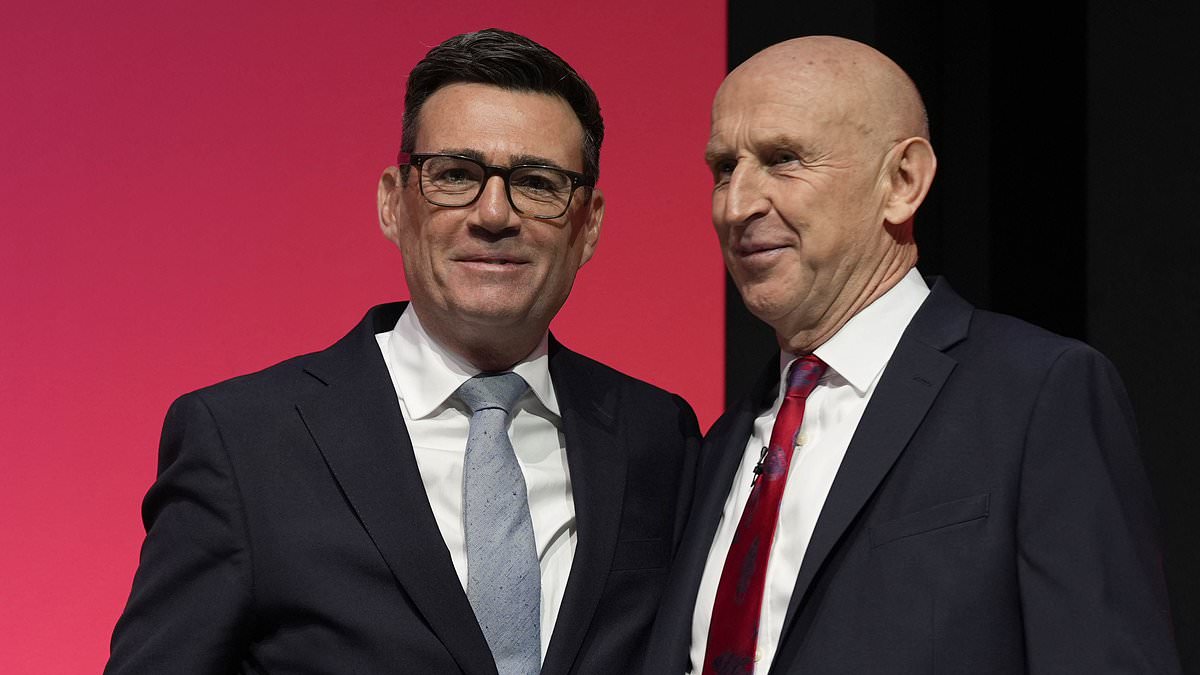
Published: 02:12 EDT, 20 October 2026 | Updated: 02:36 EDT, 20 October 2026 The UK's unemployment rate has fallen to the lowest level in more than a year despite the number of vacancies sliding for another month, figures revealed today.The rate of unemployment fell to 4.7 per cent in the three months to August, from 4.9 per cent in the three months to July, the Office for National Statistics said.This was the lowest level since the three months to July 2025.More timely data suggests that workers on payrolls increased by about 13,000 between August and September.The ONS's data also showed a boost for average wage growth across the UK workforce.Average regular earnings growth rose to 3.7 per cent in the three months to August and was 0.8 per cent higher after taking Consumer Prices Index inflation into account.However, the number of vacancies in the UK fell by 21,000 to a fresh five-year low of 691,000 in the three moths to September, according to the ONS's estimates.This marked the biggest decline since the three months to March.It comes just over a week before Chancellor John Healey Budget delivers the next Budget on October 28. ONS data shows the UK unemployment rate for people aged 16 and over, seasonally adjusted The UK average regular earnings growth rate as a three-month average, seasonally adjusted PM Andy Burnham and Chancellor John Healey at the Labour Party conference last monthONS deputy director of labour market statistics, David Freeman, said: 'While the labour market remains broadly flat in 2026, data from the latest quarter shows the employment rate edging up and a small drop in unemployment.'The number of workers on payroll remains slightly down over the same period, though data for the most recent month suggests that might be starting to level off.'The number of vacancies has seen its largest fall since the start of the year, concentrated mainly within smaller businesses, which cite increased labour costs as a key factor.'Regular wage growth remained relatively stable, though total pay – including bonuses – has eased to its lowest rate in nearly six years.'The ONS said that following decreases since late 2013, the unemployment rate increased during the coronavirus pandemic in 2020.From early 2021, it dropped to below pre-pandemic rates until mid-2022 – but the rate has been largely increasing since.The number of people that were unemployed for up to six months, and between six and 12 months, decreased over the year and on the quarter.The number of those employed for over 12 months rose over the year and in the latest quarter.The ONS said the decrease in the number of people unemployed over the year was the result of a fall in the number of unemployed women.The unemployment rate estimates the number of people without a job who have been actively seeking work within the last four weeks and are available to start work within the next two weeks.The rate is not the proportion of the total population that are unemployed.It is the proportion of the economically active population - meaning those in work plus those seeking and available to work - who are unemployed.
Unemployment rate dips to 4.7% while earnings growth rises to 3.7% one week before the Budget
Full Article
Original Source
Read the full article at Dailymail →KhanList aggregates and links to publicly available news content. We do not host full articles from third-party sources. Always verify important information with original sources.