
Psychologists and neuroscientists posit that belief in afterlife alleviates existential dread and softens the paralysing reality of death. | Photo Credit: SREEJITH R. KUMAR While reading Shakespeare’s Hamlet again, after a long hiatus, I was struck by the tragic hero’s ambivalent attitude to afterlife. Hamlet famously labels the hereafter as the “undiscovered country from whose bourn no traveller returns”. He considers death as the sleep that ends the heartache of mortal life. At the same time, he fears what might happen after death. He is forced to “suffer the slings and arrows of outrageous fortune” because of the dread of the unknown. In Hamlet, afterlife represents an uncertain horizon that shapes the protagonist’s spiritual ambiguity; however, as the play progresses his perspective shifts from intellectual dread to a fatalistic acceptance of mortality.Hamlet’s musings on death have set me thinking about the psychology and metaphysics of life after death. Besides, in one’s sunset years, there is nothing more comforting than thoughts of the hereafter. Published - November 29, 2026 12:33 am IST
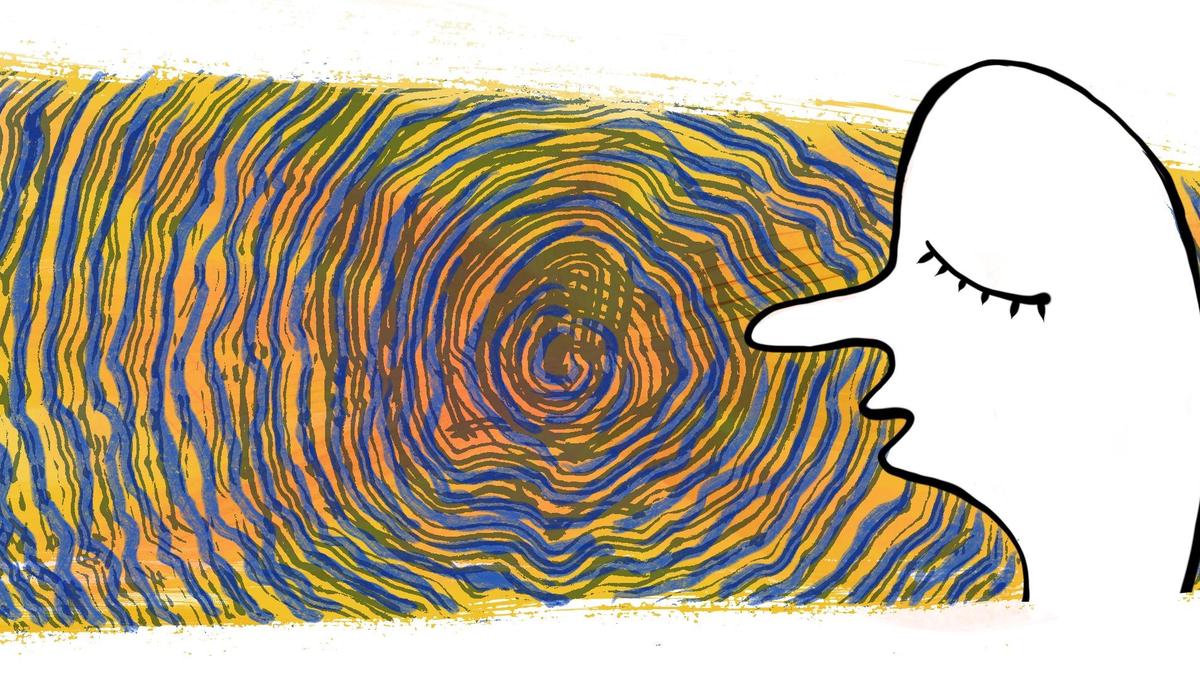
Uncertain horizon or useful illusion?
Full Article
Original Source
Read the full article at Thehindu →KhanList aggregates and links to publicly available news content. We do not host full articles from third-party sources. Always verify important information with original sources.