
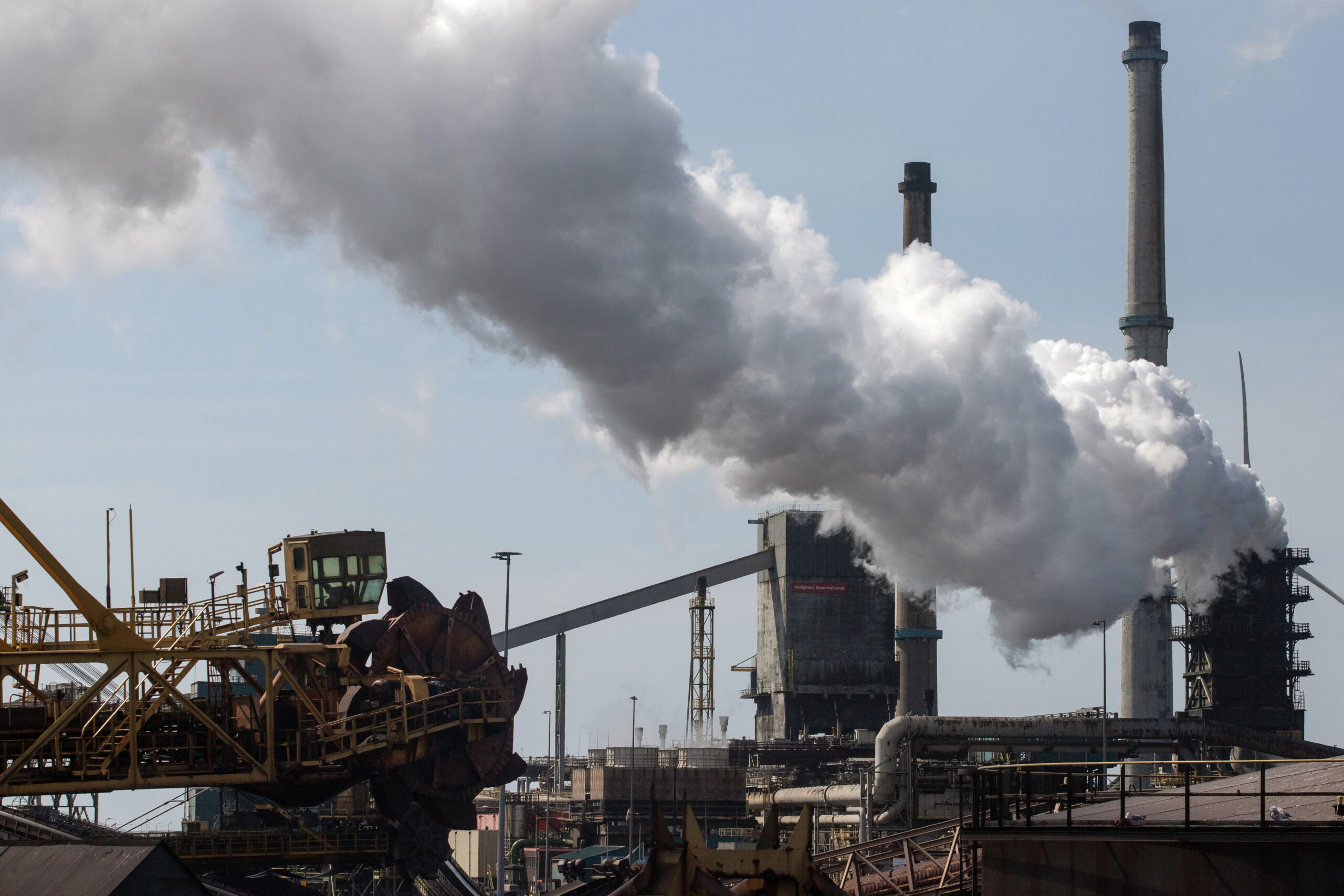
The world can no longer keep global warming below 1.5C and must now focus on minimizing its overshoot, the United Nations said ahead of next month’s COP31 climate talks in Turkey. The US retreat from the fight is making it even harder. Countries will have to cut CO2 emissions by nearly a fifth by the end of the decade compared to 2025 levels to achieve the “lowest possible” overshoot, the UN Environment Programme said in its annual emissions gap report, published on Wednesday. The UNEP defined that scenario as limiting temperatures to 1.7C to 1.8C above pre-industrial levels and returning global mean warming to 1.5C by the end of the century. It described the necessary emissions reductions as “immediate, deep, rapid and sustained.” Fewer than half the Group of 20 economies are on track to meet their existing 2030 targets, according to the report, with UNEP predicting 2.6C of warming by 2100 given current policies. “It is not time to throw in the towel,” Inger Andersen, UNEP’s executive director, told reporters. “To the contrary, this is about how to find our way back.” The report sets out potential paths forward after the UN first reported last month that exceeding the 1.5C threshold envisaged by the Paris Agreement in 2015 is now virtually guaranteed. Each fraction of a degree of warming above pre-industrial levels raises the risk of extreme weather events, harm to global food production and rapid inflation. The US exit from the Paris Agreement has been particularly damaging to global climate efforts. While the UNEP report found that collective G20 emissions growth slowed last year, America’s emissions increase of 133 megatons of CO2 “far exceeded” that of any other country. COP31 host Turkey was second, with an increase of 24.4 megatons. A US climate target announced in the final weeks of the Biden administration, which was projected to cut emissions by one gigaton by 2030, has now been omitted from the UNEP’s calculations. One gigaton is equivalent to a year’s output from the country’s entire vehicle fleet. While global greenhouse gas emissions last year were similar to 2024 levels, “it is too soon to conclude that global emissions are plateauing or peaking,” the report said. Those resulting from the use of fossil fuels climbed, but were offset by a decrease in emissions from land use and forestry. Global leaders and climate negotiators are set to meet for COP31 in the Turkish city of Antalya in early November to discuss how to combat warming and adapt to its impacts. While Turkey is seeking a global commitment to boost electrification to 35% of energy consumption by 2035, the ongoing Iran war and upcoming elections in countries including Brazil and France have largely pushed climate down the policy agenda. Negotiators at COP31 are also facing the possibility that they may not have key reports on climate science after a meeting of members of the Intergovernmental Panel on Climate Change in Addis Ababa was suspended last week without agreement on timelines. “The emissions gap is now a leadership gap,” said UN Secretary-General Antonio Guterres. “Overshoot is not surrender. We can still keep it as small and as short as possible and bring temperatures back below 1.5C before the end of the century.” Photo: Tata Steel Ltd. plant in IJmuiden, Netherlands. Photo credit: Peter Boer/Bloomberg Copyright 2026 Bloomberg.
UN Warns Major Emissions Cuts Needed to Limit Warming Overshoot
Full Article
Original Source
Read the full article at Insurancejournal →KhanList aggregates and links to publicly available news content. We do not host full articles from third-party sources. Always verify important information with original sources.