
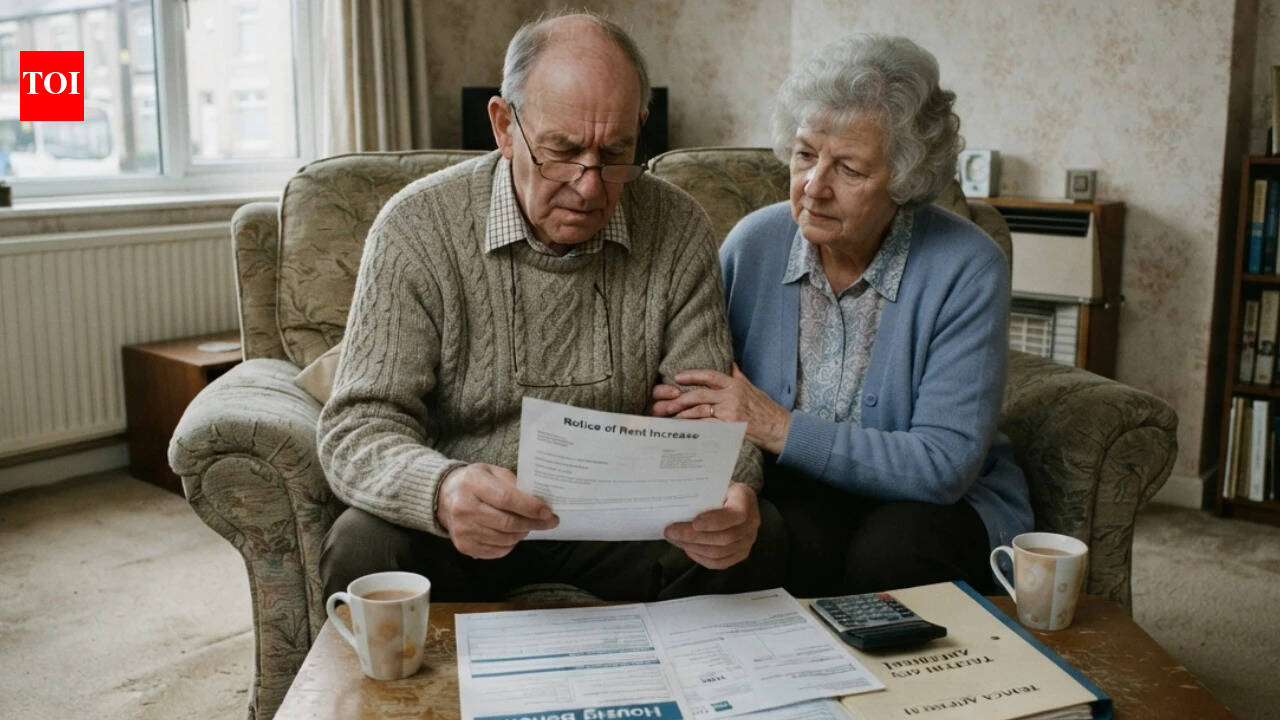
Unable to afford legal advice, the couple handled the case themselves. (AI image)A British couple in their 70s who represented themselves in a fight to save their home have won the right to recover £1,488 spent on an artificial intelligence (AI) legal research tool. The High Court allowed the expense, finding that the subscription had been purchased specifically to help them prepare their case. The judgment was delivered on November 19.Linda Foster and Richard Hitchens had challenged eviction proceedings brought by Wargrave on Thames Housing Association over a dispute involving electricity charges. Unable to afford legal advice or obtain legal aid, they handled the case themselves. They borrowed money from Hitchens's brother to pay for the AI subscription.Dispute over electricity chargesThe dispute began when the housing association sought to recover electricity costs from the couple. Their tenancy agreement listed electricity charges separately from rent, service charges and water charges.The association argued that the electricity payment covered both heating inside their flat and electricity used for communal facilities. Foster and Hitchens disagreed. They maintained that the charge applied only to electricity supplied for underfloor or background heating in their home.The couple had stopped paying the disputed amount. They also avoided using the underfloor heating because they considered it unsafe. The housing association treated the unpaid charges as a breach of the tenancy agreement and sought possession of their flat.The High Court later found that the electricity charge was limited to heating supplied to the couple's premises. Costs relating to communal facilities could not be recovered under that particular provision. The possession order was therefore set aside.Court allows £1,488 AI subscription costAfter winning the appeal, the couple sought reimbursement of the expenses incurred while representing themselves. Their claim included £1,488 for an AI-powered legal research subscription. They had paid £124 a month for 12 months.They told the court that the tool helped them find relevant legal decisions, research the dispute and prepare submissions. They had selected a specialised legal research service rather than a general-purpose or free AI chatbot.The housing association opposed the claim, arguing that the subscription was an overhead rather than a recoverable legal expense.Mr Justice Sweeting agreed that the subscription did not amount to a legal service because the provider had supplied software, not legal advice or representation. However, he said this did not prevent the expense from being considered separately as a litigation disbursement.The judge examined how the couple had used the service and why they had purchased it. He noted that they were pensioners living in social housing and could neither obtain legal aid nor afford professional advice.He also found that their written and oral submissions were focused and carefully prepared, helping them succeed on the main issue in the appeal. The subscription had been purchased specifically for the proceedings and was not maintained for other purposes. The judge therefore allowed the full £1,488.He made clear that this did not mean AI subscription costs would automatically be recoverable in other cases. Courts would have to consider the purpose of the expense, the nature of the service and whether the amount was reasonable and proportionate. He also cautioned that using AI to generate lengthy and unhelpful material could lead to costs being rejected.Judge reduces couple's wider costs claimThe couple had also claimed payment for 649 hours spent on research, preparing documents, correspondence and attending hearings.However, the judge considered this excessive for a dispute centred on the interpretation of the tenancy agreement. He reduced the amount allowed for their time to £5,600, around 40% of the sum claimed.The court separately allowed £1,246 for expenses such as court fees, transcripts and travel. It also approved £888 for their work on proceedings following the appeal, along with £220 in expenses.The judge refused to order the housing association to refund electricity charges the couple had already paid. He said the appeal had established that the disputed amounts could not all be recovered under the particular electricity charge provision, but had not established that every previous payment was refundable.
UK couple in their 70s win eviction appeal and £1,488 AI legal research costs
Full Article
Original Source
Read the full article at Timesofindia →KhanList aggregates and links to publicly available news content. We do not host full articles from third-party sources. Always verify important information with original sources.