
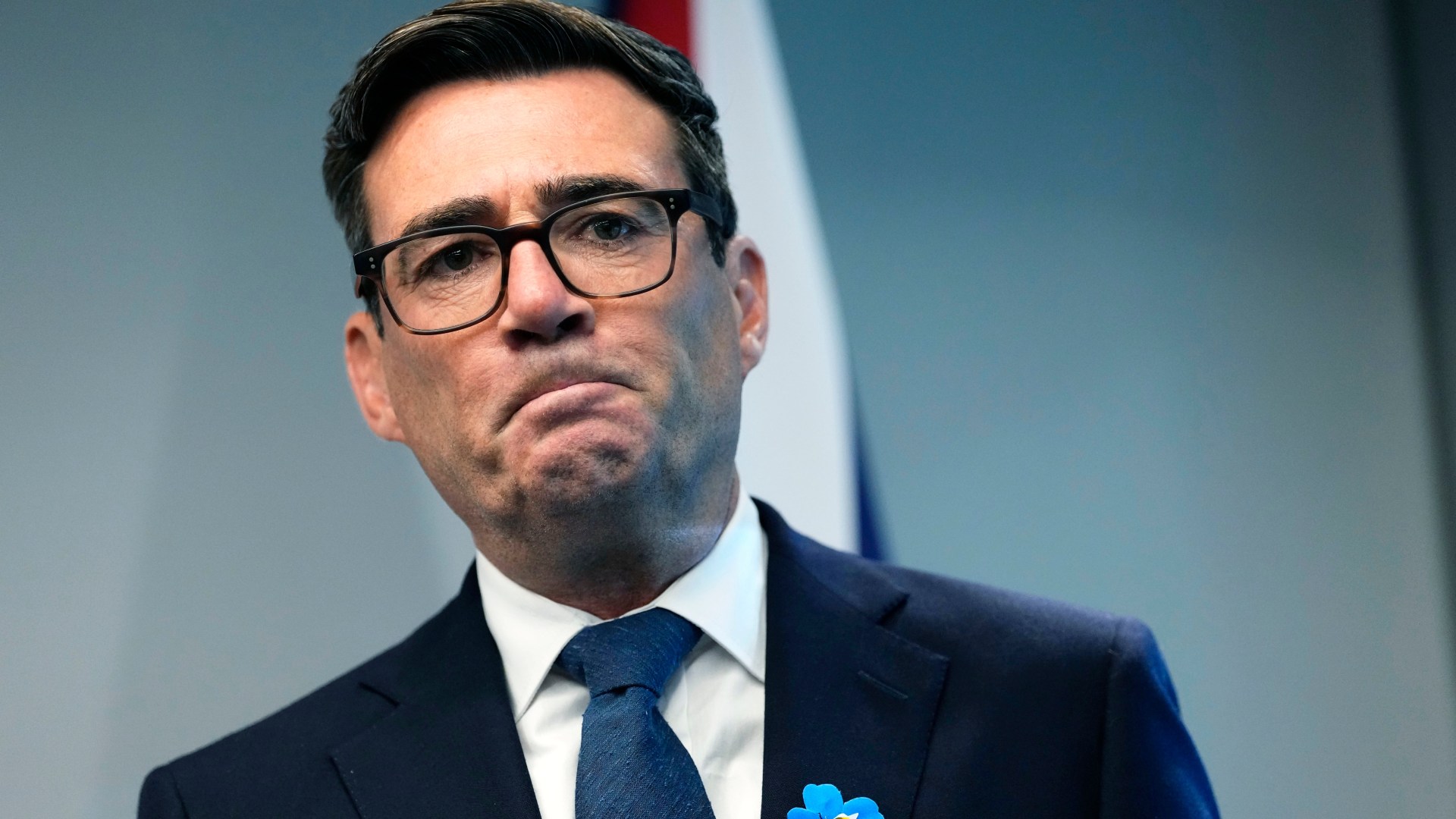
THE UK’s borrowing has soared by more than expected to £18.3billion ahead of the Budget. Public sector borrowing hit £18.3billion in August, which was £2.9billion more than the same month last year, according to the Office for National Statistics (ONS). It was also higher than analyst forecasts, which had expected borrowing to hit £15.5billion. Plus, it was the second-highest level of UK borrowing for August on record – behind only August 2020. Sign up for the Money newsletter Thank you! This will raise fresh fears of tax hikes ahead of the Budget on October 28. Public sector borrowing is when the Government is spending more money than it is raising through taxes. That means that when borrowing is high, the Government could look to increase taxes to balance out its budget. The latest figures will be a fresh blow for Prime Minister Andy Burnham and his Chancellor John Healey, who is set to deliver his Budget next month. Mr Burnham has already warned the Budget will be “challenging” and “difficult decisions” will have to be taken. Economists have said the Chancellor must find as much as £15billion. Most read in Money Former chancellor Rachel Reeves had left £23.6billion of financial headroom, but soaring borrowing costs and higher inflation since the start of the Iran war have narrowed this significantly. Borrowing has also been impacted by increased spending on the state pension and other benefits. The Government spent almost £30billion on benefits in August, up 7% compared with a year ago. Meanwhile, higher inflation has pushed up the interest payable on Government bonds, known as gilts. It has meant the Government paid a huge £8.8billion in interest on its debts in August, the highest figure for the month since records began. The latest figures show the Treasury has borrowed £77.3billion since April, which is £8.1billion higher than projections by the Office for Budget Responsibility back in March. Chief Secretary to the Treasury Emma Reynolds said: “At a time when debt interest costs billions of pounds that could otherwise be spent on improving lives, we must always know where the money is coming from to pay for public services. “That is why we are committed to meeting our fiscal rules with a buffer against uncertainty, taking the tough decisions needed to keep the public finances on a sustainable path.” What it means for you Higher public sector borrowing could result in a hit to your finances at the Budget next month Credit: Getty With public sector borrowing higher than expected, Chancellor John Healey will be looking to balance the books. Some experts have urged him to look at cutting the surging benefits bill. Welfare spending is forecast to hit almost £353billion this year. John O’Connell, the chief executive of the TaxPayers’ Alliance think tank, said: “The Chancellor should focus on tackling the ballooning welfare bill, not reaching for another tax raid.” But it’s also thought Mr Healey could choose to raise certain taxes. Speculation has swirled that he could raise Capital Gains Tax (CGT) to the same level as income tax. CGT is a tax on the profit you make when you sell or give away an asset that’s increased in value, such as an investment or buy-to-let property. Brits could start paying as much as 40% or 45% on their investment profits over £3,000 as a result. Comment now
UK borrowing SOARS to more than expected in fresh blow to Andy Burnham ahead of Budget – what it means for you
Full Article
Original Source
Read the full article at Thesun →KhanList aggregates and links to publicly available news content. We do not host full articles from third-party sources. Always verify important information with original sources.