
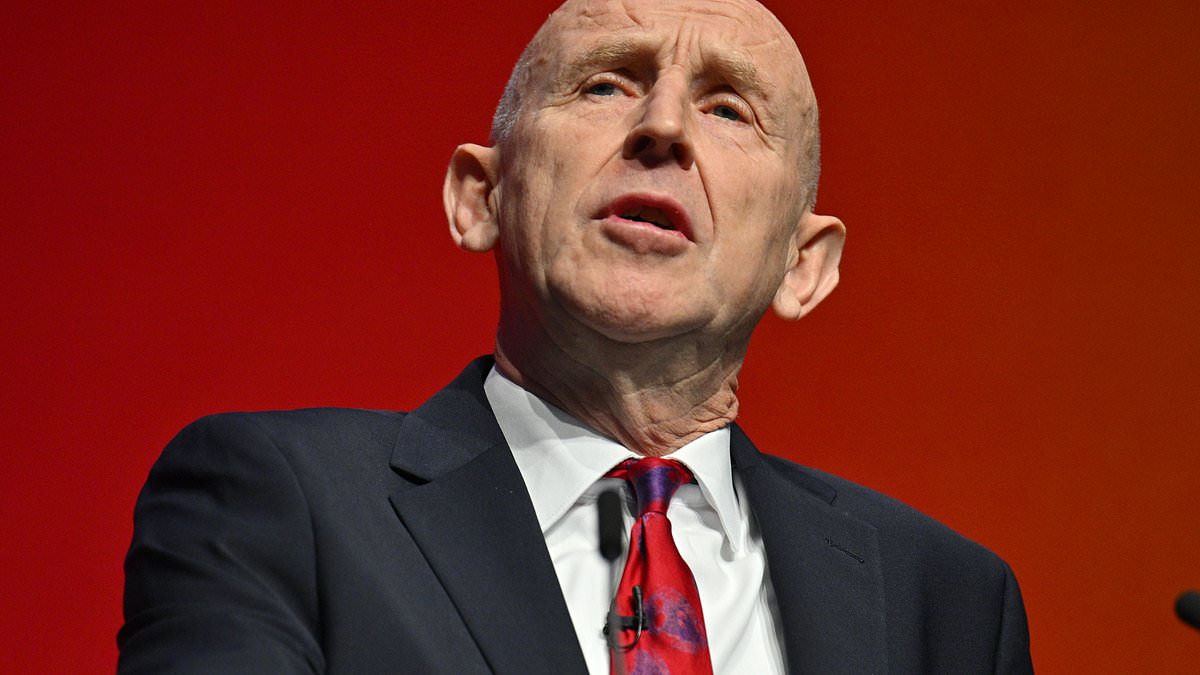
Updated: 04:44 EDT, 1 October 2026 Britain's 30-year government bond yields hit 6 per cent for the first time since early 1998, piling further pressure on the Chancellor ahead of the Budget.The longer-dated 30-year UK gilt yield, which rises as its price falls, rose as high as 6.029 per cent, its highest level since January 1998. It reflected another sharp rise in US Treasury yields even as renewed hopes of an end to the Iran war steadied oil prices. The selloff is pushing government borrowing costs higher across the world and has spilt over into equities as the FTSE 100 and other leading indices tumbled. In Britain – which already suffers from the highest borrowing costs in the G7 – yields on the 10-year gilt climbed to 5.509 per cent. This is the first time it has ticked past 5.5 per cent since July 2007. The 5-year gilt yield rose to an 18-year high. German, French and Japanese bonds also sold off in early trading. A sharp selloff in bonds will add to the Chancellor's headache ahead of the Budget It comes just days after the government paid the highest yield on a 10-year gilt auction since 1999, emphasising how expensive it is becoming to borrow.Higher yields mean the government pays more to finance its debt, making it harder for John Healey to balance the books when he delivers his inaugural Budget this month. That means there will be less money available for defence spending, social care or council house building, adding to fears the Government will need to raise taxes. Axel Rudolph, chief technical analyst at IG, said: 'Even the recent fall in oil prices hasn't provided any lasting relief for bond markets. 'With yields still rising, the Chancellor faces an increasingly narrow path as he prepares to set out his plans for the economy.'Susannah Streeter, chief investment strategist at Wealth Club, added: 'With debt already high and interest payments eating up a hefty chunk of public finances, sustained yields at these levels could further squeeze the Chancellor's wiggle room when he sets out his spending plans.'The selloff in bonds is piling pressure on equity markets, with the FTSE 100 sinking 1.8 per cent, or 195 points, to 10,410 in early trading. The FTSE 250 also started the month on the back foot, falling 1.54 per cent to 24,188.Among the biggest fallers in the FTSE 100 this morning include Barratt Redrow, down 5.55 per cent and Games Workshop down 5.3 per cent.Big banks have also fallen, with HSBC, Standard Chartered, NatWest Group, Lloyds Banking Group and Barclays all in the top 10 biggest fallers in early morning trading.'It looks like the relentless rout in the bond market is sending investors running for cover,' said Neil Wilson, Saxo's UK investor strategist.Germany's Dax fell 1.10 per cent while France's Cac index dropped 1.23 per cent.DIY INVESTING PLATFORMSAJ BellAJ BellEasy investing and ready-made portfoliosHargreaves LansdownHargreaves LansdownFree fund dealing and investment ideasinteractive investorinteractive investorFlat-fee investing from £4.99 per monthFreetradeFreetradeInvesting Isa now free on basic planTrading 212Trading 212Free share dealing and no account feeAffiliate links: If you take out a product This is Money may earn a commission. These deals are chosen by our editorial team, as we think they are worth highlighting. This does not affect our editorial independence.Compare the best investing account for you
UK 30-year gilt yields hit 6% for the first time since 1998 and FTSE 100 tumbles
Full Article
Original Source
Read the full article at Dailymail →KhanList aggregates and links to publicly available news content. We do not host full articles from third-party sources. Always verify important information with original sources.