
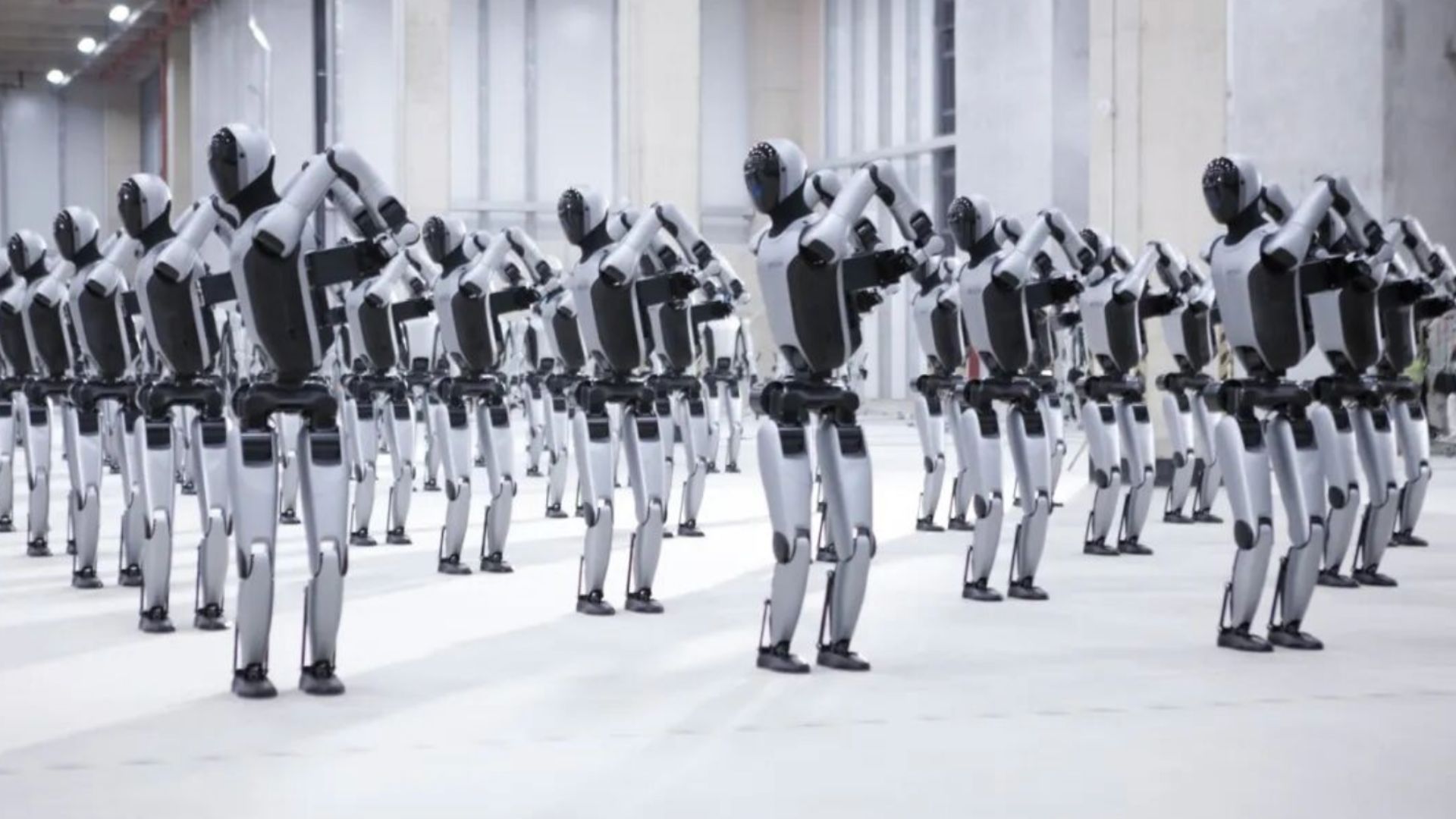
China has taken a major step toward commercial humanoid robot production after UBTECH began operations at its new industrial humanoid robot factory in Liuzhou, Guangxi, on September 12. The facility is designed to produce more than 10,000 humanoid robots annually, marking a shift from prototype development and limited production toward large-scale manufacturing. UBTECH shares also rose more than 3% in early trading on September 14 following the production launch. Factory designed for faster robot output UBTECH’s super smart factory covers 14,000 square meters (150,700 square feet) and has a building height of 13.8 meters (45 feet). It will primarily manufacture the company’s Walker S Series and Cruzr Series embodied intelligence industrial humanoid robots. The production line is designed to complete one robot every 10 minutes. Its planned annual capacity exceeds 10,000 units, giving UBTECH a manufacturing base built around continuous industrial output. The factory uses a flexible mixed-line design that allows different humanoid models to be produced on the same manufacturing system. This reduces the need for major hardware changes when production requirements shift. Humanoids help build other humanoids Automation extends across the manufacturing floor. Humanoid robots perform tasks such as depalletizing, palletizing, and material loading. Collaborative robotic arms work with 360-degree rotating stations to tighten screws during assembly. Each finished robot requires more than 2,000 screws of different specifications. Automated guided vehicles and unmanned forklifts transport materials around the facility before completed robots move into an automated three-dimensional warehouse. Every robot receives a unique SN code. Its component sources, assembly parameters, and inspection records can be traced through the manufacturing process, creating a detailed record for maintenance and troubleshooting. Siemens technology creates digital factory model UBTECH developed the facility with Siemens Digital Industries Software as part of a broader digital manufacturing program. The collaboration covers factory planning, product lifecycle management, digital twin simulation, production scheduling, intelligent systems, and quality control. Siemens’ Plant Simulation platform creates a 1:1 digital model of the factory, including aisles, workstations, storage areas, and AGV routes. Engineers can simulate material movement from warehouse storage through production and final dispatch before making physical changes. The companies also developed the Yanshee MOM manufacturing operations management system using Siemens’ Intelligence Center X enterprise intelligent agent platform. It serves as the factory’s digital “intelligent brain” for production scheduling and operations management. Mass production raises stakes for UBTECH Humanoid robot manufacturing has faced major hurdles because each machine contains many components and requires precise assembly. Fast product updates can also make conventional production lines difficult to adapt. UBTECH’s new facility addresses these issues through digital simulation, flexible production, and traceable quality systems. The approach could reduce commissioning costs while letting the company expand capacity and introduce updated models faster. The factory also arrives as competition in humanoid robotics intensifies. Tesla is advancing its Optimus program, while Figure AI is pursuing its own manufacturing plans. UBTECH’s 10,000-unit annual capacity gives it a significant near-term production base, while future performance will depend on shipments, industrial customer demand, and manufacturing economics.Get the latest in engineering, tech, space & science - delivered daily to your inbox.A versatile writer, Sujita has worked with Mashable Middle East and News Daily 24. When she isn't writing, you can find her glued to the latest web series and movies.
UBTECH starts 10,000-unit robot factory that can build humanoid every 10 minutes
Full Article
Original Source
Read the full article at Interestingengineering →KhanList aggregates and links to publicly available news content. We do not host full articles from third-party sources. Always verify important information with original sources.