
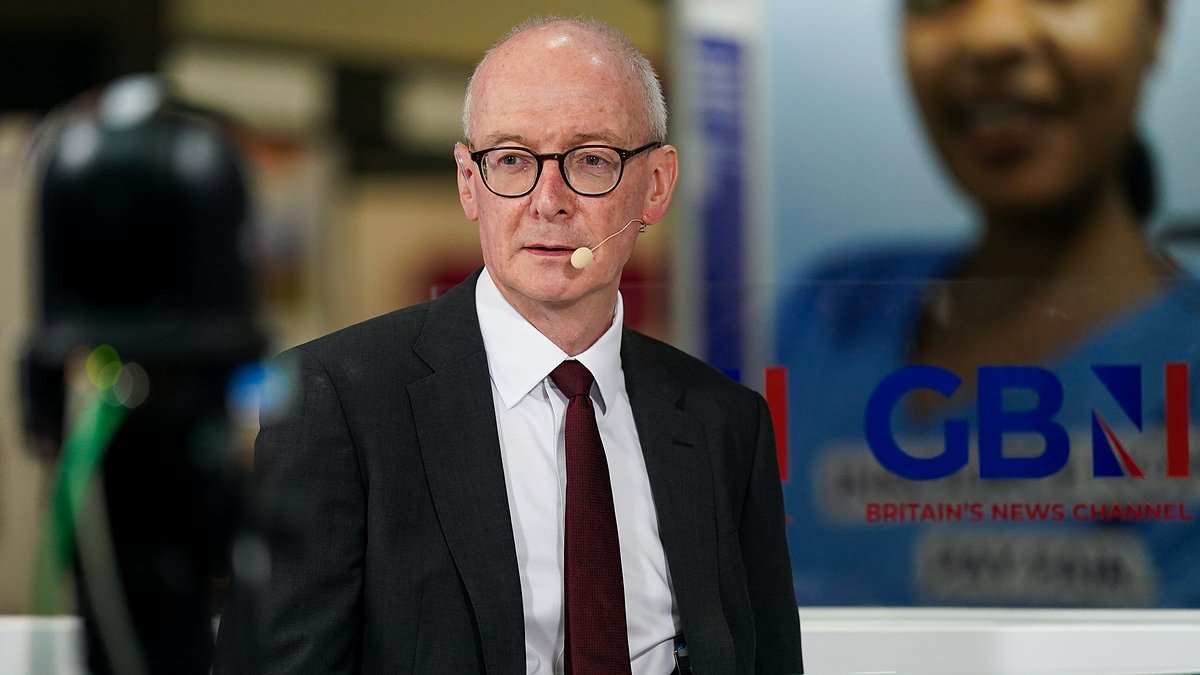
Almost two million people who are receiving sickness benefit cash may not be eligible, it emerged today.More than two-thirds of those getting money because they are too ill to work are overdue a reassessment to check they still qualify, with an average waiting time of two years.Work and Pensions Secretary Pat McFadden admitted people were just disappearing into the welfare system and getting taxpayers' money after an investigation by The Times found that one person continued to be paid for 16 years without anyone checking on his health.It comes amid huge pressure on ministers to reform the system to cut down on the number of claimants and the amount of money being spent. Mr McFadden and Chancellor John Healey are likely to face huge pushback from Labour MPs if they try to recoup money in the Budget later this month. Mr McFadden told The Times the system left too many people 'signed off and written off', adding: 'We've got a system which channels people into these routes too easily.'People go through the door of the system. They reach a junction box and are judged either fit for work or unfit for work, with lasting consequences. 'After that, it can be the last time they hear from the system.' Mr McFadden said the system left too many people 'signed off and written off', adding: 'We've got a system which channels people into these routes too easily'Ministers are developing welfare reforms that are likely to include removing the health element of Universal Credit from some under-25s.Instead of cash payments worth £217 a month, claimants with less severe conditions would receive intensive support to get them into work including subsidised jobs and help with mental health problems.The Government may also attempt to make major changes to the Personal Independence Payment (PIP) system following two long-awaited reviews.But the Prime Minister will face opposition from his own backbenchers, just as a rebellion last year forced Sir Keir Starmer to abandon planned cuts to disability benefits and undermined his authority.The number of people in England and Wales entitled to PIP has climbed to a record high.It is the main benefit paid to someone who has a long-term physical or mental health condition or disability, and is intended to help with everyday tasks and extra living costs.A Government-commissioned review into the costs and operation of the disability benefits system, led by social security minister Sir Stephen Timms, branded the system 'no longer fit for purpose' in its interim findings in July.A total of 4.09 million people were entitled to claim PIP as of July 31 2026, according to data published by the Department for Work and Pensions (DWP).This is up from 3.83 million a year earlier – a rise of 262,045, or 7 per cent.The number of claimants has roughly doubled since comparable figures began in January 2019, when the total stood at 2.05 million.Of the 4.09 million claimants, 3.4 million (83 per cent) are of working age and 690,000 (17 per cent) are state pension age.People aged 50 and over account for more than half of those entitled to claim PIP, at 55 per cent of the total, while 30-49-year-olds make up nearly 29 per cent and 16-29-year-olds almost 17 per cent.Last year saw ministers abandon plans to reform disability benefits, including for those with mental health conditions, in the face of backbench Labour opposition.Instead of immediate reform, the Timms review was put in place to gather views on PIP and how it works.Speaking in July on the publication of the review's interim report, Sir Stephen said the benefits system, designed in 2013, needs 'fundamental change' and that it must be made 'financially sustainable'.He said people would have to 'wait and see' what his team's final report says when asked whether it might include cuts to the numbers of people claiming the benefit.He added the 'vital support' provided by PIP to help cover the extra expense of being disabled could be under threat if the costs of the system keep rising.A DWP spokesman said: 'We recognise the need to reform the work capability assessment process, which has seen a surge in demand over some years. 'We inherited low levels of face-to-face assessments, and our priority has been to increase these, with the proportion of work capability assessments conducted face to face nearly doubling over the past two years.'We have rightly prioritised assessments for new claimants and people who notify us they have had a change in their circumstances.'
Two million people on benefits might not qualify… but the Government isn't checking
Full Article
Original Source
Read the full article at Dailymail →KhanList aggregates and links to publicly available news content. We do not host full articles from third-party sources. Always verify important information with original sources.