
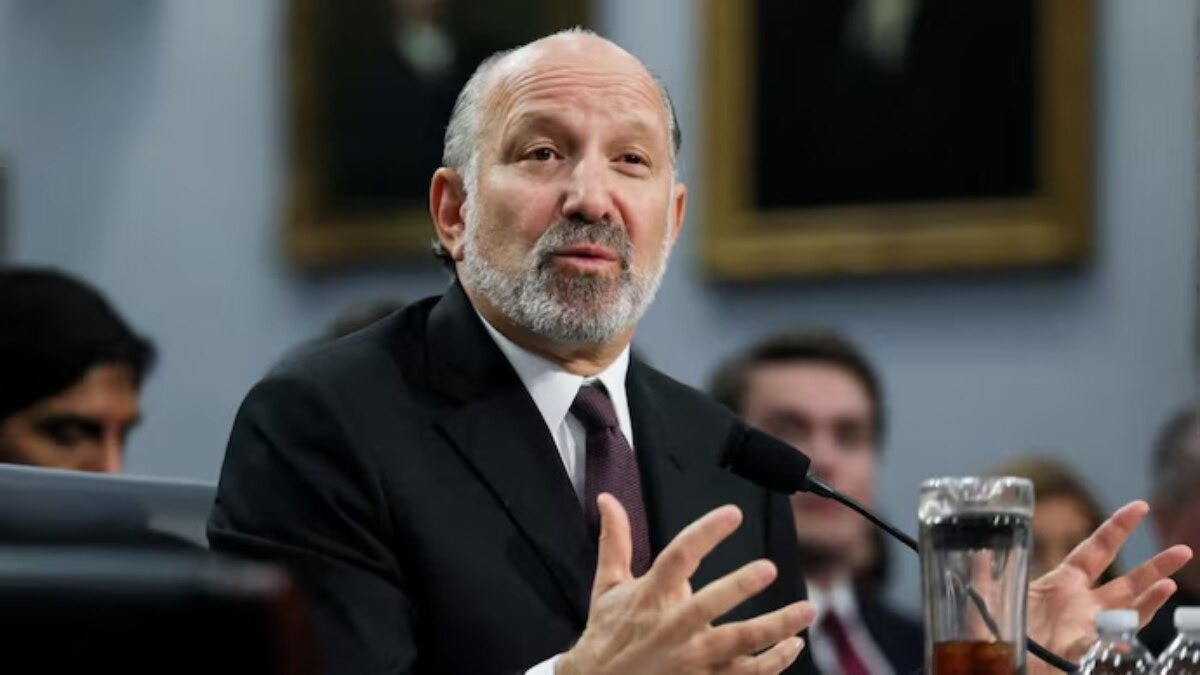
Donald Trump approved tighter controls on suspected Nvidia chip diversions after consulting Elon Musk. Howard Lutnick's reported resistance has deepened an administration dispute over China's access to American AI technology.US Commerce Secretary Howard Lutnick. (File photo)US Commerce Secretary Howard Lutnick has repeatedly delayed President Donald Trump's efforts to crack down on companies suspected of diverting advanced Nvidia AI chips to China, despite the President approving the move three times this year, Axios reported.The latest approval came last Thursday, when Trump agreed to tighten restrictions on suspected chip diversions after consulting billionaire Elon Musk. However, Lutnick continued to resist implementing the measures, raising concerns within the administration that the Commerce Department was holding up the President's decision, according to the report, which cited six senior sources familiar with the discussions.The standoff came amid growing scrutiny of Nvidia CEO Jensen Huang's reported links to a Chinese businesswoman suspected by US intelligence officials of spying for Beijing. The administration has also faced pressure from lawmakers to adopt a tougher approach towards China's access to advanced American AI chips.LUTNICK RESISTS EXPORT CONTROLSAccording to Axios, Lutnick met Treasury Secretary Scott Bessent, Defence Secretary Pete Hegseth, US Trade Representative Jamieson Greer and Secretary of State Marco Rubio in the White House Situation Room last Thursday. During the meeting, Bessent confronted Lutnick over his department's resistance to enforcing export controls, particularly against Megaspeed, a company at the centre of the alleged chip-smuggling and espionage controversy.Lutnick appeared to agree with the proposal but said he needed to check with Trump before proceeding. His response reportedly raised concerns among officials who believed that the Commerce Department had repeatedly promised action without following through. One administration official described Lutnick's conduct as stalling, while another called it an ongoing concern within the government.The officials later moved to the Oval Office, where Trump called Musk to discuss the proposed restrictions. Musk backed the position taken by Rubio, Bessent, Greer and Hegseth in favour of imposing the controls.Lutnick, however, warned that the move could trigger a trade war with China. Other officials countered that Beijing was already taking steps against US interests, according to Axios.Trump eventually backed the crackdown, telling officials, "Let's get it done." But the disagreement continued even after the meeting, with Lutnick proposing to develop options and return with them later. Other officials insisted that the decision had already been made and needed to be implemented.The report said the restrictions had still not been enforced.The Commerce Department spokesperson Kristen Eichamer denied that Bessent had confronted Lutnick during the meeting and did not immediately comment on the other allegations. The White House and Lutnick's spokesperson did not immediately respond to Reuters' requests for comment.A LONG-STANDING DISAGREEMENT OVER CHINAThe latest dispute is part of a broader disagreement within the Trump administration over how tightly to restrict China's access to advanced American AI chips.According to Axios, Trump had approved action against suspected diversions of Nvidia chips on at least three occasions — in May, August and November 5 — but Lutnick and Commerce Undersecretary Jeffrey Kessler resisted pressure from Bessent and other officials to move forward.In May, a highly classified memo warning about Nvidia CEO Jensen Huang's relationship with a Megaspeed employee suspected by US intelligence of working for China was reportedly shared with Trump and other senior officials. Subsequent discussions involving Bessent, Director of National Intelligence Jay Clayton, Hegseth and White House officials failed to secure action from the Commerce Department, the report said.The controversy also comes against the backdrop of Trump's relatively relaxed approach to semiconductor exports to China. His administration last year moved towards easing restrictions on Nvidia's H200 chips, allowing sales to China in exchange for a 25 per cent tariff.Nvidia has argued that allowing sales of less advanced chips to China could help keep the country dependent on American technology rather than encourage it to develop domestic alternatives.Meanwhile, Reuters reported in June that the Trump administration had held back from adding Chinese artificial intelligence startup DeepSeek, memory chipmaker CXMT and more than 100 other companies flagged as national security risks to its trade blacklist.The US has not added any companies to its Entity List since October 2025, marking the longest gap between new additions in more than a decade.- EndsWith inputs from Reuters
Trump's Nvidia chip crackdown on China stalled by Lutnick: Report
Full Article
Original Source
Read the full article at Indiatoday →KhanList aggregates and links to publicly available news content. We do not host full articles from third-party sources. Always verify important information with original sources.