
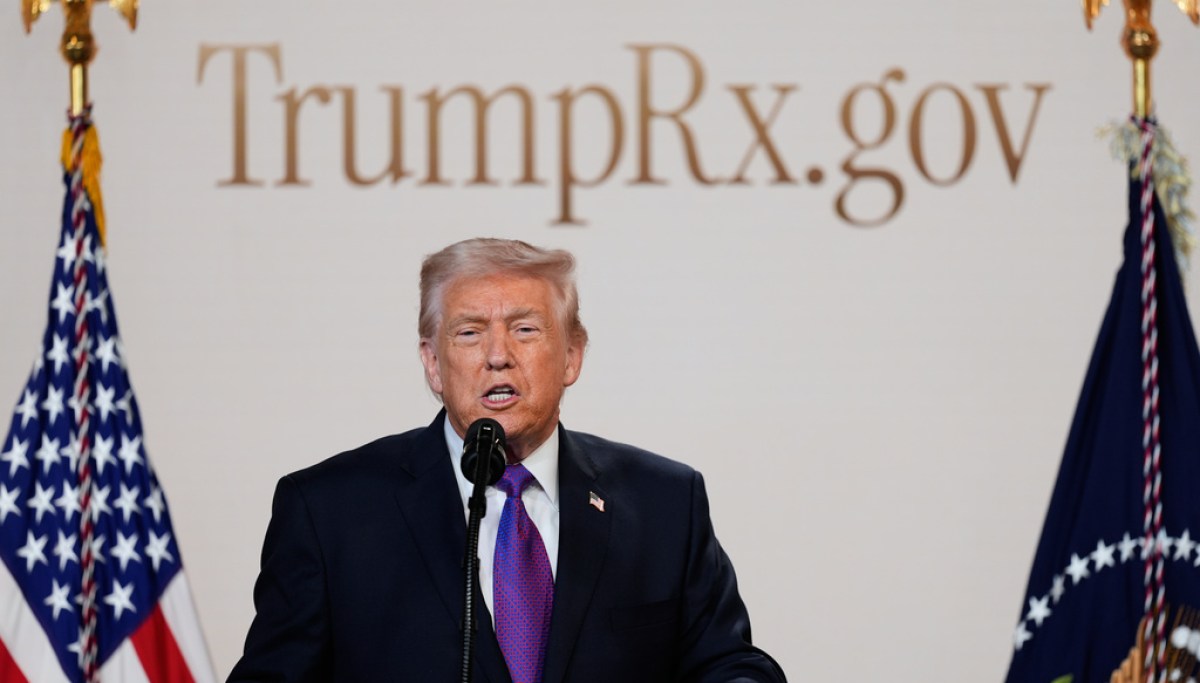
Prescription drug prices fell by 0.8% in July and are down 3.1% from last year, the steepest annual decline in more than 60 years, according to the most recent Consumer Price Index report. The 12-month decline lines up with the Trump administration’s efforts to pursue its “most favored nation” drug pricing deals to, under threat of tariffs, negotiate with pharmaceutical companies to get Americans the lowest prices on their prescriptions. Trump administration officials have touted that the TrumpRx platform and MFN deals are the reasons for the drop in prices, saying that both initiatives have saved people $700 million on their prescriptions. Every other president promised to take on Big Pharma price gouging. President Trump is the only one who delivered.Americans were paying up to 300% more than people in other countries for the same drugs—made in the same factories, in the same packaging.Now, thanks to… pic.twitter.com/okbzuLNr3T— HHS Rapid Response (@HHSResponse) August 17, 2026 Both Republicans and Democrats are clamoring to advertise their plans to address rising healthcare costs ahead of the November elections after a March Gallup poll found health affordability ranked ahead of other economic concerns for voters.Two-thirds of Americans of all age brackets take at least one prescription medicine, according to a survey this year from the health policy group KFF. That includes 42% of 18- to 29-year-olds and 52% of 30- to 49-year-olds.About 6 in 10 survey respondents said they were at least somewhat worried about being able to afford their prescriptions. That’s grown from roughly 4 in 10 who were worried about affording medication in 2020.Another 4 in 10 did not take their medications as prescribed due to cost, taking measures such as cutting pills in half, skipping doses, not filling a prescription, or getting an over-the-counter drug instead. But tariffs on the pharmaceutical industry could end up reversing the downward trend for drug prices.A 100% tariff on patented drugs and their ingredients took effect at the end of July for large drugmakers and at the end of September for smaller companies. Trump has also begun to phase in a plan to tax imported generic drugs, moving to a 100% tariff in three years and 200% thereafter. Companies that engage in an MFN deal and onshore drug manufacturing have been able to eliminate or reduce their tariff burden.
Trump takes credit for dropping pharmaceutical prices
Full Article
Original Source
Read the full article at Washingtonexaminer →KhanList aggregates and links to publicly available news content. We do not host full articles from third-party sources. Always verify important information with original sources.