
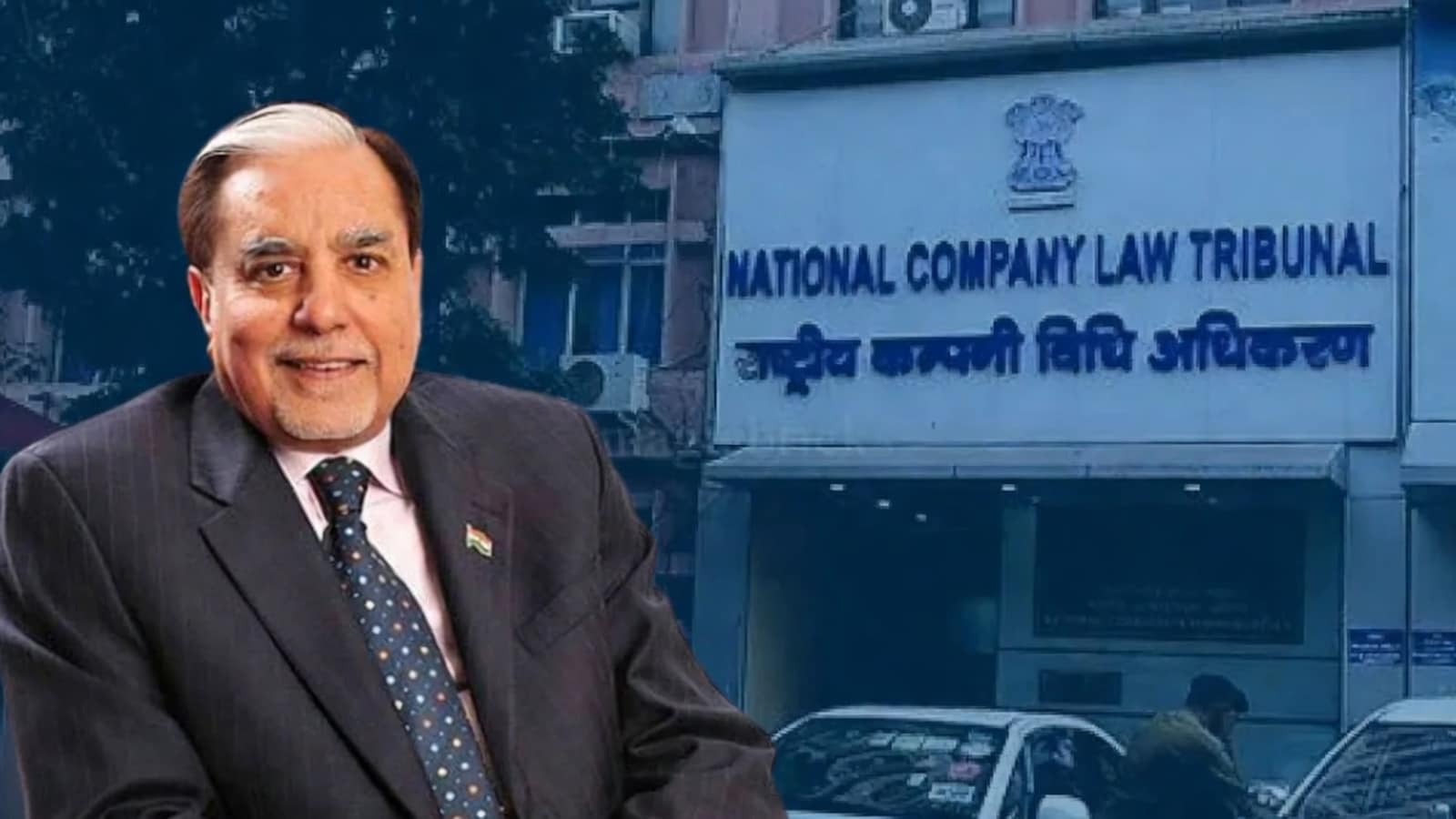
The Subhash Chandra insolvency case has taken another turn.A five-member bench of the National Company Law Tribunal (NCLT) has stayed the August 25 order that approved the Zee Group founder's repayment plan of Rs 6.25 crore against admitted creditor claims of more than Rs 22,000 crore.The larger bench has also barred Chandra from selling, transferring or otherwise alienating his properties, directly or indirectly, while it hears the matter afresh. It has issued notices to the parties involved.The latest development follows a split in the earlier proceedings. The original two-member bench had delivered differing views on the repayment proposal. The matter was subsequently referred to a third member, who approved the plan on August 25.However, when the case returned to the original bench, it held that no clear majority opinion had emerged. This prompted the NCLT President to constitute the five-member bench. What The Case Means For CreditorsChandra's plan involved paying Rs 6.25 crore against admitted claims of Rs 22,006.57 crore. Another Rs 25 lakh was earmarked towards insolvency process costs. The August 25 order had approved the plan, with the third member holding that it would bind all creditors, including those who had opposed it. That position, however, did not result in a majority view among the members who had heard the case.The five-member bench will now first consider the scope of the reference before deciding how the matter should proceed.The case touches on a difficult question for India's insolvency framework: how should personal guarantees, creditor claims and stressed assets be handled when the amounts involved run into thousands of crores?Abhishek Bhilwaria, Partner at BhilwariaFinserv, told NDTV that the latest developments underline the need for greater predictability in such cases. "The latest developments in the Subhash Chandra insolvency case highlight the importance of having a predictable and credible framework for personal guarantees, creditor recovery, and resolution of stressed assets," Bhilwaria said.He added that the case also highlights the need to balance a viable resolution pathway with the interests of lenders and other stakeholders. "As India's insolvency ecosystem continues to mature, cases involving large corporate groups and promoter guarantees will remain important in shaping how creditors assess risk, how personal guarantees are enforced and how resolution outcomes are viewed by the wider financial system," he said.Subhash Chandra Insolvency Case: What Happens Next?For now, the Rs 6.25 crore repayment plan cannot be implemented.Chandra has also been restrained from alienating his properties while the larger bench examines the matter. The immediate question before the five-member bench is the scope of the reference. It will determine whether the bench addresses only the issue of how the repayment plan should apply to different categories of creditors, or whether the entire matter needs to be reconsidered afresh. Either way, the case has become an important test for how India's insolvency system deals with promoter guarantees, sharply divided creditor interests and massive outstanding claims.
Tribunal Stays Subhash Chandra's Rs 6.25 Crore Plan: What Happens Now?
Full Article
Original Source
Read the full article at Ndtv →KhanList aggregates and links to publicly available news content. We do not host full articles from third-party sources. Always verify important information with original sources.