
The United Nations climate negotiations will open in Turkey with a focus on three key narratives. Scientists warn that global warming is accelerating, with the world surpassing the 1.5-degree Celsius (2.7 degrees Fahrenheit) temperature rise threshold. This has led to extreme weather events like Europe's heat waves and Nepal's floods. The reliance on fossil fuels, despite the rise of renewable energy, complicates efforts to curb climate change. The US is absent from this year's talks, raising concerns about accountability. Experts emphasize the need to phase out fossil fuels to address climate change effectively. For more than a century the world has been powered by coal, oil and gas. This love affair spurred economic development, as well as the emissions warming the planet. But renewable energy is capturing some of the world's attention because it's cheaper and cleaner than fossil fuels. Instead of switching from one to the other, the world is using both to meet demand from power-hungry artificial intelligence and ever-growing economic development. This isn't helping curb climate change. In additional, Russia's 2022 invasion of Ukraine triggered a European energy shock. This year the United States and Israel bombed Iran. The conflict closed the Strait of Hormuz and sent fossil fuel prices skyrocketing, forcing nations to rethink their energy systems. These stories are colliding as the 31st Conference of Parties, or COP31, starts Monday with speeches from world leaders and will later dig into how to follow through on past climate pledges. A key issue this year is the implementation of promises to transition away from fossil fuels. Co-host Turkey is also pushing a separate plan that would help do that by shifting more global energy use — including transportation — to electricity generated from solar and wind power. Negotiators also will hash out how to provide promised funds to poor countries to switch to renewables, adapt to a warmer world and recover from climate-induced damage. While the US is the world’s largest historic carbon polluter, it skipped last year's COP and isn't expected to participate this year. “There’s always two topics in the climate negotiations that are relevant and difficult,” said Niklas Höhne, co-founder of Germany’s NewClimate Institute. “The first one is who produces emissions (and) how much. That is difficult enough. But what is even more complicated is the other issue, and that is who pays. And on this one, we are particularly in a difficult situation because the US, as the largest contributor, has dropped out. And there’s no other player who can jump in.” Eleven years ago, the world was on track to hit 4 degrees Celsius (7.2 degrees Fahrenheit) of warming above preindustrial levels by the end of the century. In 2015, nations set the goal of keeping warming to below 2 C (3.6 F), but with a preferred limit of 1.5 C (2.7 F). Now, the world is at 1.4 C (2.5 F) of warming and is hurtling toward 2.6 C (4.7 F), the UN found. “The reason we are seeing the breach of 1.5 degrees Celsius of warming is because we avoided the absolutely fundamental question of how climate change happened and what’s responsible, the source of the problem and that’s fossil fuels,” said Harjeet Singh, founding director of Satat Sampada Climate Foundation. “Unless and until we resolve the issue of fossil fuel phase out, we will not be able to deal with the problem.” Much of the work at climate negotiations gets done on the sidelines, where not everyone has to agree and some nations do more than others. One important sideline initiative this year is Turkey's goal of increasing electricity's share of global energy use from 21 percent to 35 percent by 2035, preferably by using renewable power.
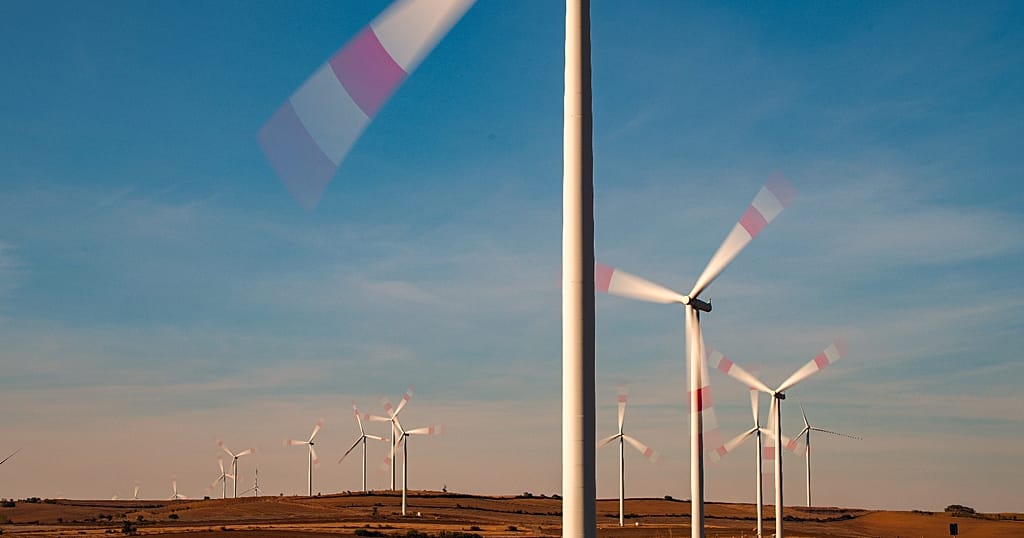
Transition to renewable energy key issue at COP 31 talks
Full Article
Original Source
Read the full article at Africanews →KhanList aggregates and links to publicly available news content. We do not host full articles from third-party sources. Always verify important information with original sources.