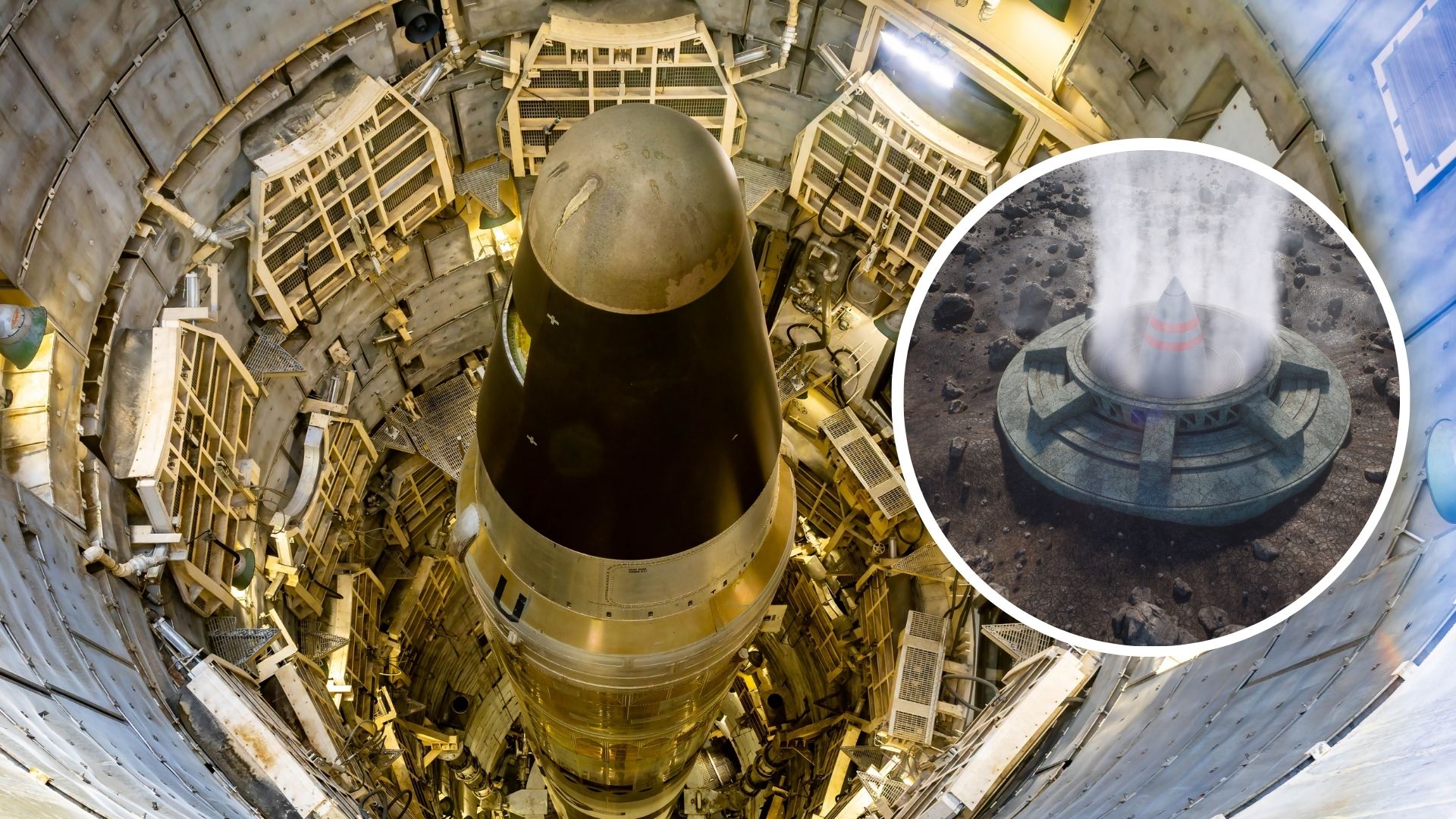
For the first time, China has publicly indicated that it is expanding its network of nuclear missile silos. This offers an unusual glimpse into a programme that has long remained largely undisclosed. The acknowledgment came through Chinese state media, where a senior officer from the People’s Liberation Army (PLA) Rocket Force discussed the construction of underground missile facilities as part of the country’s strategic defence capabilities.Although Beijing did not reveal the precise number or locations of the silos, the statement effectively confirmed years of international assessments based on satellite imagery that suggested extensive construction activity in remote parts of northern and western China. The move represents a subtle but notable shift in China’s traditionally secretive approach to its nuclear forces. New silos intended to support some of China’s longest-range nuclear missiles “We build homes for missiles. Each position we complete means more trump-card weapons can be deployed and be combat ready … earlier,” said Cui Daohu, an officer with a PLA Rocket Force engineering unit in CCTV documentary Securing Victory. Missile silos are fortified underground launch facilities designed to house intercontinental ballistic missiles (ICBMs). Their primary purpose is to enhance the survivability of a country’s nuclear arsenal by protecting missiles from a potential first strike and ensuring a credible retaliatory capability.Defense experts believe the new silos are intended to support some of China’s longest-range nuclear missiles, including systems capable of reaching targets across continents. By increasing the number of launch sites, China can make it significantly more difficult for an adversary to identify and neutralise its nuclear assets during a conflict.The expansion of missile silos is one element of a broader effort by China to modernise its strategic military forces. In recent years, the country has invested heavily in advanced missile technology, nuclear-powered ballistic missile submarines, and long-range strategic bombers.These developments are aimed at creating a more balanced nuclear deterrent across land, sea, and air platforms—commonly known as a nuclear triad. Such a capability is considered essential for maintaining a credible second-strike posture and ensuring long-term strategic stability.For decades, Chinese authorities released very little information about their nuclear infrastructure. The recent public acknowledgment suggests that Beijing may now be more willing to demonstrate its growing strategic capabilities.Analysts believe the announcement serves several purposes. It reinforces China’s deterrence by signalling that its nuclear forces are becoming more resilient, while also sending a broader message to rival powers that the country possesses the resources and determination to safeguard its national security interests. China expanding nuclear infrastructure China’s expanding nuclear infrastructure has attracted close attention from the United States and other major powers. Western defence officials have argued that the rapid pace of construction reflects a significant increase in China’s strategic capabilities, raising questions about the future balance of nuclear power.Beijing, however, continues to maintain that its nuclear policy remains defensive in nature. Chinese officials have repeatedly stated that the country’s nuclear arsenal exists solely to deter aggression and that it adheres to its long-standing policy of not being the first to use nuclear weapons.The growing size and sophistication of China’s strategic forces are nevertheless expected to influence future discussions on arms control, regional security, and military competition in the Indo-Pacific.China’s decision to publicly acknowledge the expansion of its missile silo programme marks an important development in its defence policy. While many details remain undisclosed, the announcement confirms that Beijing is continuing to strengthen its nuclear deterrent as part of a broader military modernisation strategy. The move is likely to shape strategic calculations among major powers and contribute to ongoing debates about global nuclear stability in the years ahead.
Top US rival showcases new missile silos that can house long range weapons
Full Article
Original Source
Read the full article at Interestingengineering →KhanList aggregates and links to publicly available news content. We do not host full articles from third-party sources. Always verify important information with original sources.