
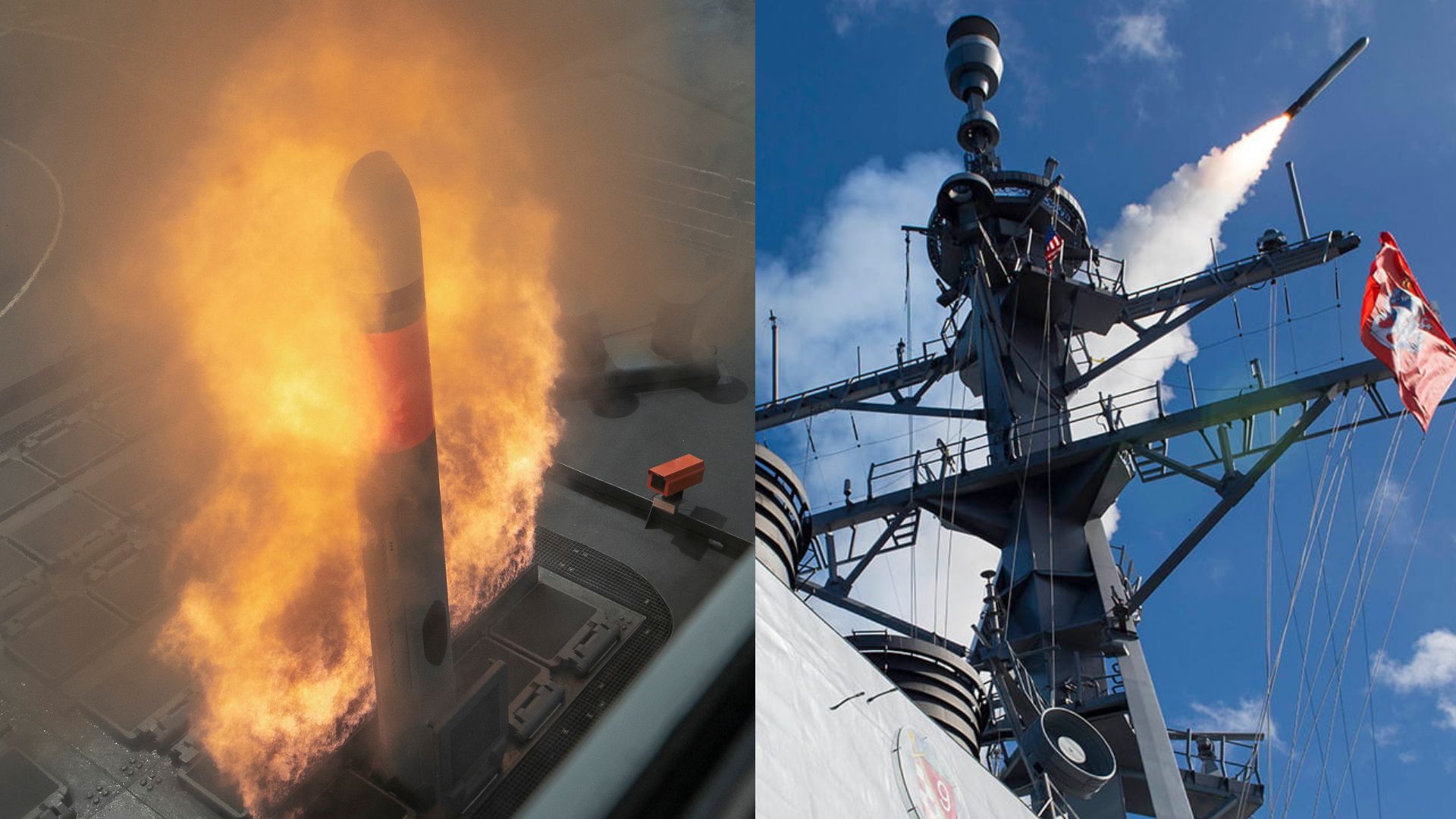
Raytheon has secured a $22.9 billion contract to expand production of Tomahawk cruise missiles for the U.S. Navy. The multiyear award will push annual production beyond 1,000 missiles. The deal also includes support for the Navy and allied forces. It comes as the U.S. pushes to expand domestic weapons production and replenish stocks of long-range munitions. Tomahawk has remained a major part of the U.S. strike arsenal for decades. Its long range allows commanders to engage distant targets without putting sailors directly in harm’s way. Production surge Raytheon has already increased Tomahawk output ahead of the new award. RTX delivered three times as many missiles during the first half of 2026 as it did during the same period in 2025. The new contract will take that expansion further. Raytheon plans to invest in manufacturing capacity and its workforce to sustain the higher production rate. Hundreds of small and midsized suppliers across the United States will also support the effort. Their role will become increasingly important as the missile program moves toward annual production above 1,000 units. “Tomahawk is the Navy’s most important strike weapon,” said Phil Jasper, president of Raytheon. He said the missile can “target hostile forces hundreds of miles away without ever risking the lives of our sailors.” Jasper added that Raytheon is making “significant investments” in its workforce, technology, supply chain and facilities. The goal is to increase production capacity and meet growing demand. More missiles, faster Crossing the 1,000-missile mark would represent a major increase in annual Tomahawk output. It would also give the Navy a larger and more predictable supply of an established long-range weapon. Scaling production requires more than expanding final assembly. Component suppliers must increase their own output, while Raytheon needs enough skilled workers and manufacturing capacity to keep the line moving. The company has been working on that challenge for several years. RTX says it has invested heavily in Tomahawk production and other critical munitions. The results are already visible in its delivery figures, as first-half Tomahawk deliveries tripled compared with the same period last year. The latest investment will bring hundreds of U.S. suppliers deeper into that expansion. It should also create a more consistent production pipeline for the Navy and allied customers. Why Tomahawk matters Tomahawk has a decades-long record of operational use with U.S. forces. Its ability to launch from different platforms gives military planners flexibility during long-range strike missions. The missile can engage targets hundreds of miles away (900-1000 miles) without requiring crews to operate near the target area. That capability has helped preserve its role despite the arrival of newer weapons. Its established infrastructure also matters. Expanding an existing production line can provide additional capacity without waiting for an entirely new weapons system to enter service. Raytheon now faces the engineering challenge of increasing throughput while maintaining the reliability expected from a mature missile program. The $22.9 billion award gives the company a long-term framework for that expansion. It also signals a major U.S. commitment to producing more long-range strike weapons at home.Get the latest in engineering, tech, space & science - delivered daily to your inbox.Aamir is a seasoned tech journalist with experience at Exhibit Magazine, Republic World, and PR Newswire. With a deep love for all things tech and science, he has spent years decoding the latest innovations and exploring how they shape industries, lifestyles, and the future of humanity.
Tomahawk precision cruise missile output to blast past 1,000 yearly in $22.9B deal
Full Article
Original Source
Read the full article at Interestingengineering →KhanList aggregates and links to publicly available news content. We do not host full articles from third-party sources. Always verify important information with original sources.