
Serious vintage shopping and tuna mayhem calls for the glorious respite of Soho House’s first Japanese outpost, says Laura CraikI’m in Tokyo for the first time in 26 years and giddy with excitement, because I loved it the first time and always hoped the universe would bring me back. The world might have become more global in the interim, but while you can find excellent Japanese food in London, its cuisine is easier to replicate than its courtesy. If London’s rudeness can wind you, Tokyo’s politesse can take your breath away. I’d be thrilled to be staying in the Japanese version of a Travelodge, but stepping through the door of my 11th floor room in Soho House Tokyo feels like Christmas Eve. The bed is vast, the thread count boastful. To my left, a bottle of picante mix. To my right, a balcony with views of Mount Fuji. The bathroom is bigger than a studio flat. Before the day is out, I’ve entered into a parasocial relationship with my bidet. I set off to explore. My stomach hasn’t caught up with my time zone, so I eschew the crisps, popcorn and rare bean chocolate winking at me from the minibar and grab the banana I bought from the T5 Pret. The House — its first in Japan, its 50th globally — is in the low-rise district of Aoyama, perfectly placed for Omotesando, the tree-lined avenue known as Tokyo’s Champs-Élysées. Within minutes I’ve strolled past the Prada store on Minami-Aoyama, and stumbled on a Blue Bottle Coffee nearby. I order a flat white, surprised to find it costs less than a London coffee — 26 years ago, it was more expensive. A room at Soho House TokyoSean HazenA friend has recommended the Nezu Museum, saying its gardens are a welcome respite from the hubbub. It, too, is near the House, and while the gardens are tranquil, I decide I don’t need to escape the hubbub: I want to be in it. Navigating my way to Omotesando, I eat my banana. Big mistake. Tokyo doesn’t seem to do bins, and I belatedly remember reading that eating on the street is impolite. I dip into Chanel and Dior clutching my banana skin, and refrain from touching the clothes. Later, I keep things simple by dining on the 13th floor of the House. The menu is Japanese enough to make me feel I’m in Tokyo, and British enough to feel comforting; a hug with raw tuna on the side. I chat to other members who are happy to share their tourist tips, and eat far more than I need to. I’m unable to resist the chicken karaage, zucchini flower fritters, egg yolk-glazed asparagus and velvety striploin, squeezing in a prawn Scotch egg before rolling, defeated, to bed where I sleep the sleep of a woman troubled by nothing more than a nocturnal wee — though even that is fun thanks to my best friend the bidet, who lights up as I approach and heats the seat with the tenderness of a besotted fiancé.Handbags and tuna at dawnThe next morning, I take a yoga class in the House’s tranquil wellness studio, for I am now the sort of person who exercises even when she travels, like Davina McCall. Decades ago, I’d have been hungover from too much sake. Now, I’m booking in for a reformer Pilates session the following day. But first, it’s time to hit the vintage stores. Having been impressed during my last visit, I’m curious to see how the scene has changed. The answer being: a lot. Where in 2000 it was still possible to grab a bargain, now everyone knows everything’s worth, just as they do in London. The most dominant player in the Omotesando district is Casanova Vintage, which has three stores in the neighbourhood, and lays on a cute little buggy upholstered in Louis Vuitton’s classic monogram for those too laden with bags to walk. I’m pretty sure Madonna, AS&P Rocky and Kim Kardashian hopped on when they visited (their photos proudly feature on the wall). There’s a dizzying array of Hermès, Chanel, Dior and Vuitton bags, some incredibly rare (I spy a Comme des Garçons x LV collab), and while it’s on a par with the best London vintage stores, such is the exchange rate that prices are currently cheaper across the board. A serious vintage shopper could just about recoup the air fair in savings — although international shipping is also available. “My best friend the bidet, who lights up as I approach and heats the seat with the tenderness of a besotted fiancé”If the price of a Chanel handbag runs into tens of thousands of yen, the following day, I discover that this is nothing compared to the price of a tuna. The 4.30am alarm required to get to Tokyo’s famous fish market is brutal, particularly when my bed is one of the most succulent (admittedly a word more commonly reserved for meat than mattresses) I’ve ever slept in. But it’s worth it for the spectacle. Watching a gaggle of men in hard hats, gumboots and gilets bidding frantically over a giant tuna is absolute scenes, as my kids would say. It sounds like they’re singing some sort of Gregorian chant, interspersed with shouts and crazy hand gestures. As soon as one auction ends, the tuna is immediately whisked away on a forklift truck, encased in ice that glitters like diamonds. Diamonds would probably be cheaper. Every tuna is inspected for quality and fat content, with the best in show being purchased by the world’s finest restaurants. While no fish goes for the record 510 million yen (£2.4m) that a hulking great bluefin fetched at the market’s first auction of the year, premium tuna is still hot property. Who knew? I wander round the fish market. Dead-eyed fish both exotic and familiar glimmer in the morning light. One is gutted right in front of me. This is no place for the vegetarian or the squeamish. I’m neither, although it’s fair to say I’ll never look at tuna in the same offhand way again. Now that tuna is my whole personality, I go for breakfast at the sushi restaurant with the biggest queue. It looks as low-key as they all do, but as I’m tucking into my akami nigiri with a side order of chutoro sashimi (get me!), I spot a picture of Jeff Bezos on the wall, and another of Emma Stone. Clearly this is the Claridge’s of sushi joints.Sayonara is the hardest wordBack at the House, I have a rest after my early start, eschewing the top floor with its views and swimming pool for the cosier floor below. Can I cram another meal in? Hell to the yes. I’m served by staff in dark denim custom made by Oniksuka Tiger. Every corner is photogenic, the walls hung with the work of 40 Japanese artists, the textiles a febrile mix of washi paper, tatami ceilings and lacquered furniture. It’s a wrench to leave, and as I say goodbye to the bidet (“arigato, dear friend”) I hope it’s not another 26 years before I visit again. I go back to my inert, unheated toilet with warm memories, even if the seat is cold.
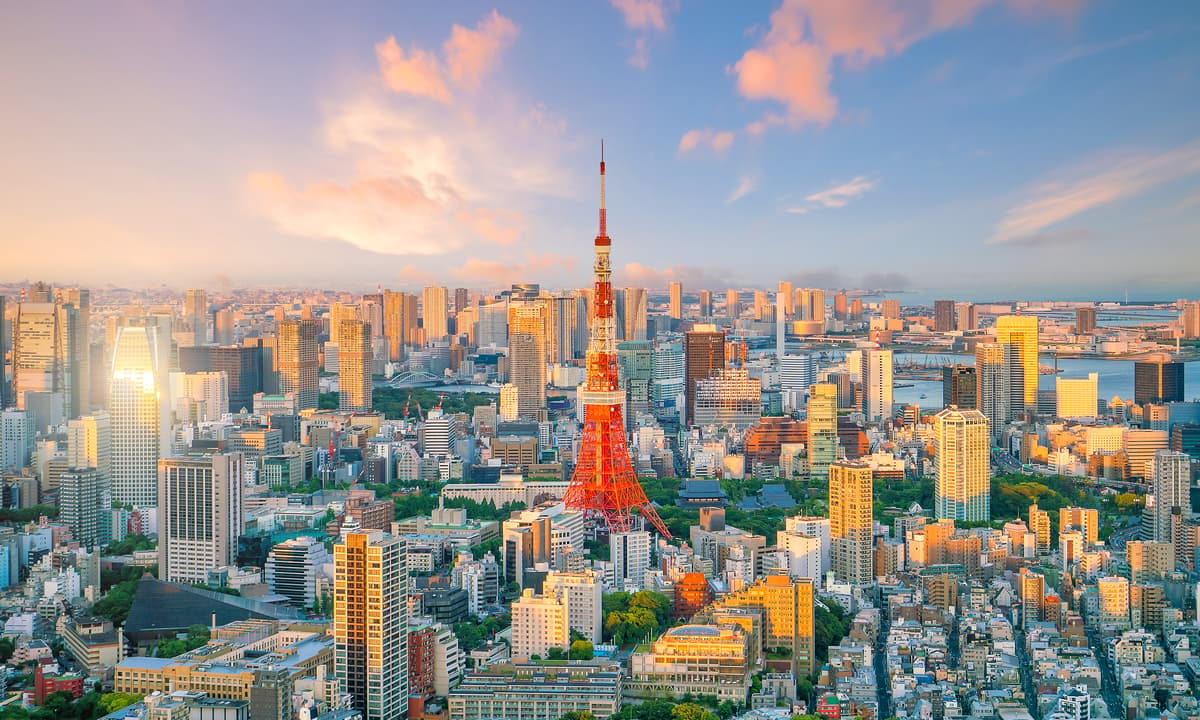
Tokyo: A city of surprises from Soho House to heated toilets
Full Article
Original Source
Read the full article at Standard →KhanList aggregates and links to publicly available news content. We do not host full articles from third-party sources. Always verify important information with original sources.