
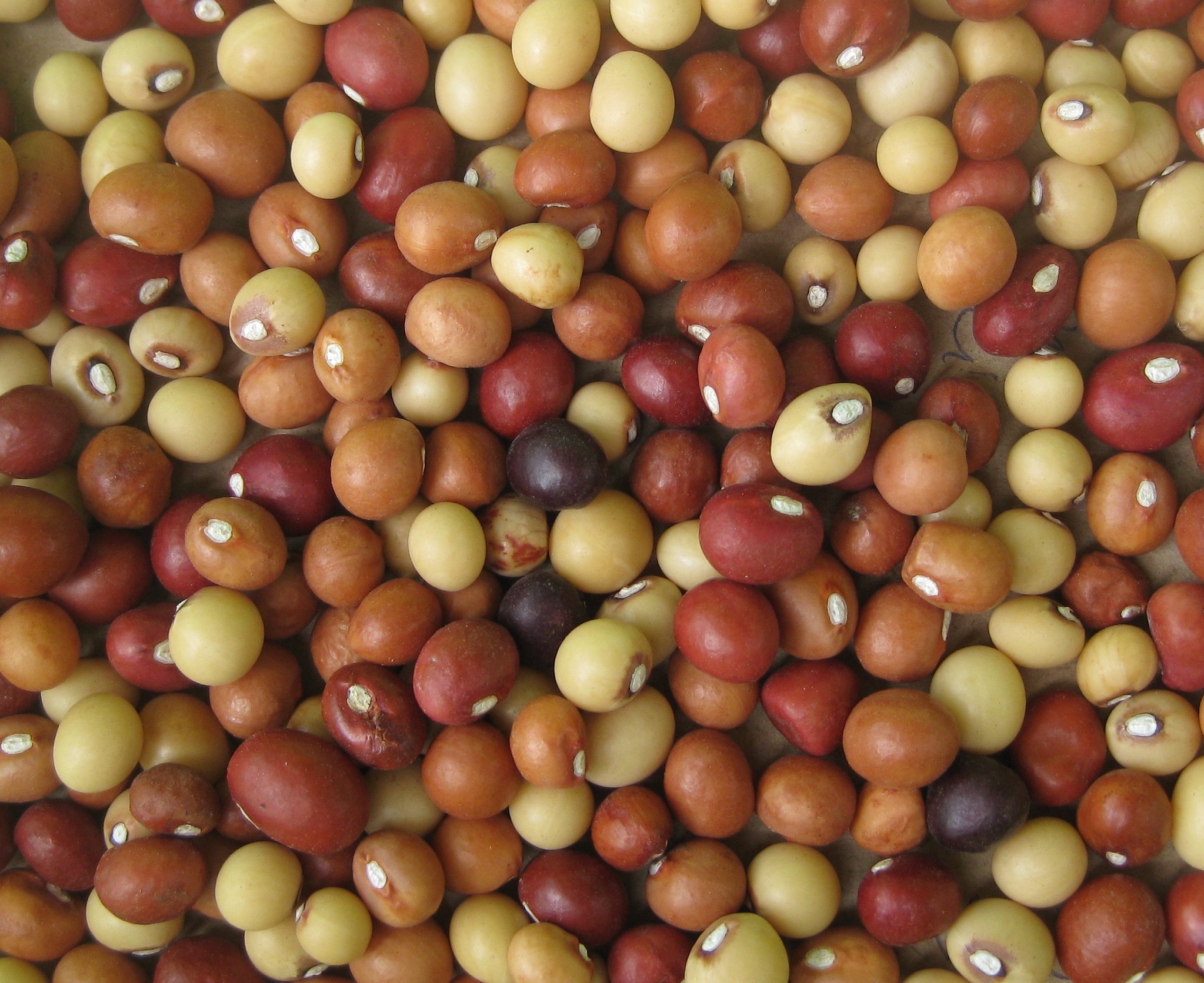
Scientists studying indigenous crops recently completed a study to advise farmers on the best time to plant bambara groundnuts, a neglected African crop. Such underutilized native plants have the potential to diversify crop production and improve food security in Southern Africa. Scientists used 50 years of climate and soil data to simulate 49 growing seasons. Their model found that planting in October, broadly the onset of the rainy season in the region, produced the highest yields; sowing seeds later in the year potentially exposes the crop to frost and yield reductions. Much of Southern Africa still depends on rain-fed maize, wheat and rice as staple crops but water-stress and climate change are making production difficult, adding to growing food security challenges. However, indigenous crops are often more drought-tolerant and can do well in low-fertility soils, according to the study. In addition, many indigenous crops, including bambara groundnuts (Vigna subterranea), are also rich in nutrients and minerals vital to humans such as fiber, protein and zinc, iron and calcium, the researchers say. “You cannot build climate resilience by planting and relying on only a few crops,” Richard Kunz, one of the researchers, told Mongabay in an email. But to encourage smallholder farmers to grow these neglected crops, they need to know where and when to plant them, he said. Using the Food and Agriculture Organization AquaCrop model, the scientists simulated growing conditions across 5,838 altitude zones in South Africa, Lesotho and Eswatini, accounting for daily rainfall, air temperature, water retention, planting dates and plant density. The model analyzed growing seasons from 1950 to 1999. The research also considered frost, which can reduce productivity of the legume, and excluded land uses not suitable for its cultivation including mining areas, commercial forestry, urban areas, plantations and orchards. Accounting for these factors allowed the researchers to produce more accurate suitability maps and prevent over-estimation of areas suitable for bambara production, the researchers said. “Our research stops smallholders from gambling their livelihoods on land suitability maps based on long-term climate averages, giving them and extension officers practical advice to ensure reliable crop production,” Kunz said. He said their model approach can be applied to other underutilized crops including amaranth, cowpea, groundnut, pearl millet, sorghum, spider flower, Swiss chard and taro. “The maps can also be used to locate community seed banks. These seed banks safeguard agricultural biodiversity, food sovereignty and climate resilience across Sub-Saharan Africa, especially in countries like Malawi,” Kunz said. Leonard Manda, a researcher studying neglected and underutilized crops at Mzuzu University in Malawi, said most conventional crops are likely to fail in future climatic conditions, highlighting the potential value of indigenous crops that contribute to both environmental and human health. “This study provides an important tool for planning to have maximum yield from bambara groundnut production,” said Manda, who was not involved in the study. Banner image: Of bambara groundnuts. Image courtesy of Ton Rulkens via Flickr (CC BY-SA 2.0) Credits Topics
To help farmers in Southern Africa, scientists predict when to plant native nuts
Full Article
Original Source
Read the full article at News →KhanList aggregates and links to publicly available news content. We do not host full articles from third-party sources. Always verify important information with original sources.