
“Not today, not tomorrow, not in a hundred years.” Speaking at a political gathering in Baalbek on Saturday, Hezbollah parliamentarian Ali Mokdad rejected calls to disarm the group as long as Israel maintained a military presence in Lebanon. Mokdad also called on Beirut to suspend the U.S.-brokered trilateral framework intended to advance Hezbollah’s disarmament. Two days later, U.S. Ambassador to the United Nations Mike Waltz met with Parliament Speaker Nabih Berri, Hezbollah’s longtime political ally. Berri pointed to Israel’s continued presence in Lebanese territory as the principal obstacle.Both arguments overlook Hezbollah’s role in precipitating Lebanon’s repeated crises. The group attacked Israel on Oct. 8, 2023, and reignited hostilities in March of this year. Hezbollah also refused to relinquish its arsenal following Israel’s withdrawal from southern Lebanon in 2000. Although the Lebanese government has committed to establishing a state monopoly on weapons, influential power brokers continue to resist or complicate efforts to implement that pledge. Some officials are ideological or political allies; others fear retaliation or sectarian conflict. In 2008, Hezbollah seized parts of Beirut after the government challenged its military communications network. Challenging its weapons now could carry still greater risks. Thus, Lebanon’s disarmament is a question of political will, as Hezbollah’s allies within the state continue to obstruct enforcement of the government’s own decisions. Breaking this deadlock requires Washington to confront not only Hezbollah but also the political and security officials who shield the group from disarmament. Even members of the Lebanese Cabinet have resisted acting against Hezbollah. In August 2025, Hezbollah-affiliated Minister Rakan Nassereddine and Amal-affiliated Environment Minister Tamara Zein walked out of a meeting discussing the government’s disarmament initiative. The following month, Hezbollah and Amal ministers again withdrew as Army Commander Rodolph Haykal presented his disarmament plan, challenging the legitimacy of decisions made without their participation. That resistance has also extended beyond disagreements over disarmament itself to decisions about holding Hezbollah accountable. When Lebanese authorities intercepted more than 1,700 pounds of explosives, Hezbollah acknowledged owning the shipment. Justice Minister Adel Nassar sought to refer the case to Lebanon’s Judicial Council. Hezbollah-aligned Labor Minister Mohammad Haidar objected, calling the referral “politically motivated.” Berri also intervened in consultations that helped produce a postponement. The judiciary’s enforcement has also been questionable. In March, shortly after Cabinet banned Hezbollah’s military activities, a military court presided over by Brig. Gen. Wassim Fayyad released three Hezbollah members detained for transporting weapons. Each received a fine equivalent to approximately $10. Institutional inconsistencies also surfaced in Lebanon’s handling of Iran’s ambassador-designate, Mohammad Reza Sheibani. After Foreign Minister Youssef Rajji declared him persona non grata in March, Berri opposed the decision, and Hezbollah and Amal ministers protested. Nevertheless, Lebanese authorities allowed Sheibani to remain as an ordinary Iranian resident rather than a diplomat. Washington has already begun targeting Hezbollah’s enablers within Lebanon’s security establishment, but the designations have yet to produce meaningful accountability. In May, Treasury sanctioned Lebanese Army Colonel Samir Hamadi and General Security Brig. Gen. Khattar Nasser Eldin for allegedly sharing intelligence with Hezbollah. Yet Lebanese authorities have not publicly shown that the allegations led to disciplinary action. Sanctions can work when Washington applies them effectively, as Lebanon’s own experience shows. Following congressional action targeting Hezbollah’s finances in 2015, Lebanese banks closed 100 Hezbollah-linked accounts. In 2019, Jammal Trust Bank entered liquidation within weeks of its U.S. designation for facilitating Hezbollah’s financial activities. More recently, Lebanon’s central bank revoked Iran’s Bank Saderat’s license to protect the banking sector from sanctions exposure. The threat of sanctions has also prompted Lebanese politicians to take steps aligned with U.S. policy objectives. In March 2019, Secretary of State Mike Pompeo reportedly warned Berri and other Lebanese politicians about potential sanctions over their ties to Hezbollah. Berri subsequently dispatched associates to Washington to avert the measures. Within weeks, amid reports that Washington was considering sanctions against his inner circle, Berri agreed to U.S. mediation over Lebanon’s maritime boundary dispute with Israel. Washington has an opportunity to exploit these politicians’ concerns about sanctions and their financial interests. Having targeted Hezbollah’s financial networks, the United States should expand its scrutiny to political and military figures who enable the group, particularly Berri. Continued investigations and sanctions should target associates and businesses that Treasury identifies as supporting Hezbollah. Washington should also press Beirut to investigate sanctioned officials within its political and security apparatuses and warn financial institutions that significant transactions for sanctioned Hezbollah facilitators will jeopardize their access to the U.S. banking system. Ahmad Sharawi is a senior research analyst at the Foundation for Defense of Democracies, focusing on Middle East affairs.
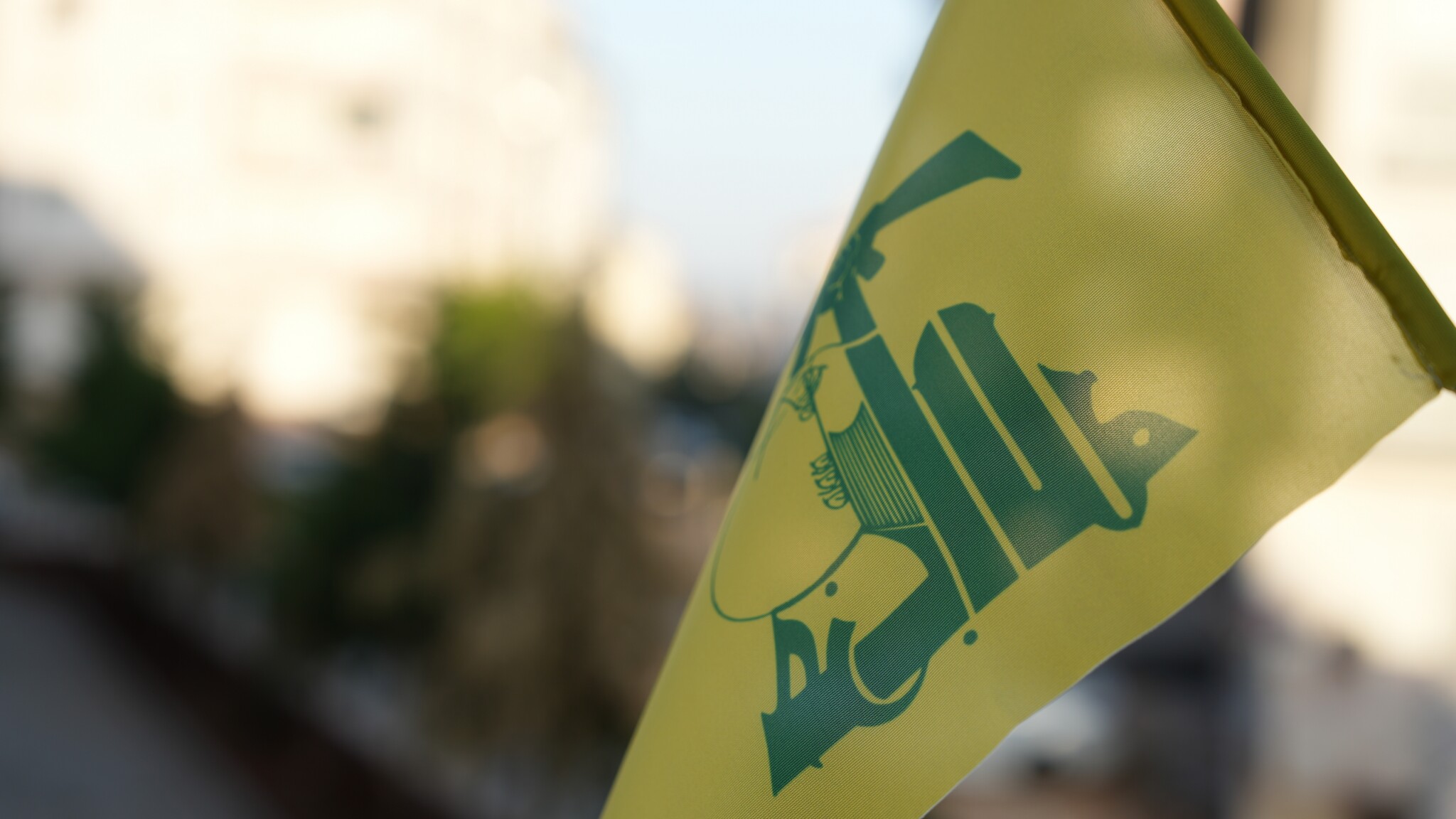
To disarm Hezbollah, Washington must target its political protectors
Full Article
Original Source
Read the full article at Fdd →KhanList aggregates and links to publicly available news content. We do not host full articles from third-party sources. Always verify important information with original sources.