
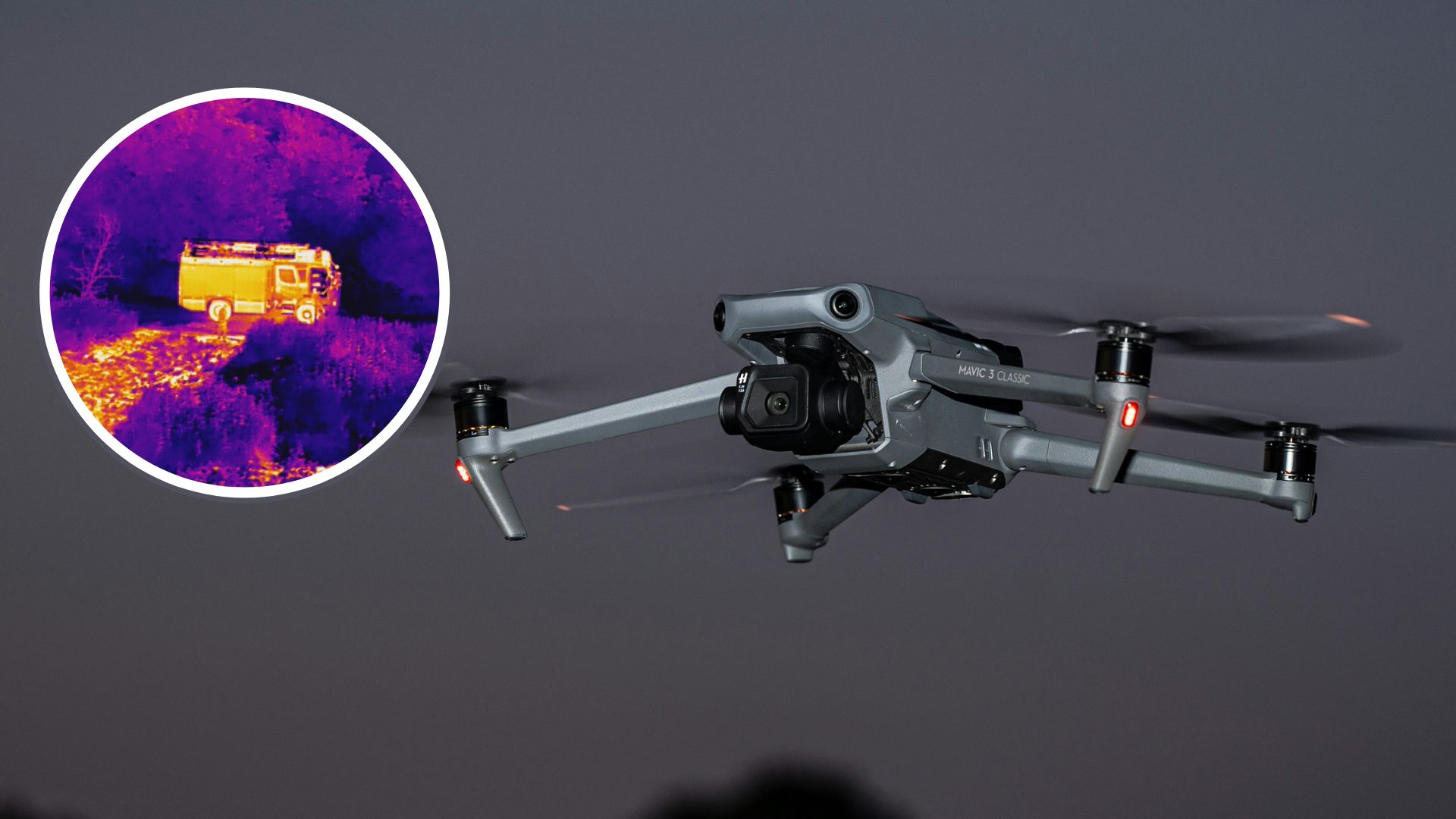
Teledyne FLIR OEM will help the U.S. Army develop smaller, cheaper, and more capable thermal imaging technology under a new modernization initiative. The company has joined the Army’s Delivering Unmatched Thermal Capability Hastened, or DUTCH, initiative. The program aims to improve uncooled infrared sensors for future military systems. Teledyne FLIR OEM will contribute its thermal imaging technology and system integration experience. Army researchers want to improve sensor performance without increasing the size or power demands of military equipment. The effort also targets lower production costs and larger manufacturing volumes. Those goals could prove important as the Pentagon expands its use of drones and other autonomous systems. Shrinking the thermal sensor Uncooled infrared sensors allow military systems to detect heat without requiring cryogenic cooling equipment. That makes them useful for smaller and more portable platforms. The technology already supports drones, thermal binoculars, weapon sights, and loitering munitions. The Army now wants better performance from sensors that occupy less space. DUTCH will focus heavily on SWaP-C, an industry term covering size, weight, power, and cost. Engineers often face difficult tradeoffs between those requirements. A more compact sensor can reduce the payload burden on an uncrewed aircraft. Lower power consumption can also extend operating time. Teledyne FLIR OEM plans to advance its uncooled thermal imaging technology under the initiative. Its work will also support demonstrations tied to Army modernization programs. The company has invested in small-pixel thermal sensor designs. Smaller pixels can help manufacturers create compact imaging systems without sacrificing critical thermal detail. Paul Clayton, president of Teledyne FLIR OEM, said the effort supports Washington’s push for stronger domestic production. “Our ability to deliver NDAA-compliant thermal imaging solutions on time and at scale helps reduce program risk,” Clayton said. Preparing for drone dominance Thermal imaging has become increasingly important for unmanned military systems. Drones can use infrared cameras to identify targets when visible-light cameras struggle. That capability matters during darkness, smoke, and other low-visibility conditions. Future systems will also need sensors that manufacturers can produce in large numbers. The DUTCH initiative therefore extends beyond laboratory performance. Army planners want technologies that can move into high-volume production for future programs. Teledyne FLIR OEM says its manufacturing experience could help meet that requirement. The company operates as a U.S.-based supplier of uncooled thermal imaging systems. Its role could also support the Army’s broader Drone Dominance effort. That program seeks to accelerate the development and fielding of uncrewed capabilities. Securing domestic production The initiative also reflects wider concerns about America’s supply of critical defense electronics. Defense officials have increasingly emphasized secure domestic supply chains for microelectronics and other military technologies. Thermal imaging components form an important part of that industrial ecosystem. George Bobb, president and CEO of Teledyne Technologies, said reliable access to advanced camera modules remains important for national security. “A trusted, scalable, and resilient domestic supply of high-performance thermal imaging camera modules is vital,” Bobb said. For the Army, the DUTCH program could help turn advanced thermal sensing into a technology that reaches more systems. Success will depend on improving performance and scaling production. That combination may become increasingly important as drones take on a larger role across future U.S. military operations. Get the latest in engineering, tech, space & science - delivered daily to your inbox.Aamir is a seasoned tech journalist with experience at Exhibit Magazine, Republic World, and PR Newswire. With a deep love for all things tech and science, he has spent years decoding the latest innovations and exploring how they shape industries, lifestyles, and the future of humanity.
Tiny infrared sensors give drones sharper vision in darkness without adding bulk
Full Article
Original Source
Read the full article at Interestingengineering →KhanList aggregates and links to publicly available news content. We do not host full articles from third-party sources. Always verify important information with original sources.