
When I worked at a company that ran graduate recruitment and apprenticeship programmes for some of the biggest employers in the country, one of my jobs was to help whittle down the applicants into a shortlist. We did this using some pretty standard filters: applicants needed a degree and you got a tick for relevant work experience. The irony of me doing this was that I knew all too well that some of those filters would have excluded me had my application been in the pile. Recently, I wrote about how record numbers of young people are getting into university while graduate job adverts are sitting at a 20-year low. This is what happens next. The Institute of Student Employers’ (ISE) annual survey of its members found that 155 large employers received 1.7 million applications for 31,577 hires. That is 141 applications for every graduate job, 172 in London, and 96 for every apprenticeship. Twenty years ago the figure was 38. The cause is not a sudden surplus of graduates – it is that applying has become free. Tools that fire off dozens of applications in a single afternoon have pushed the volume up and the quality down, and the ISE’s joint chief executive says many applications look the same. So employers have done what any flooded system does: restrict the flow. Shorter application windows, schemes closing early, caps on how many roles one person can apply for, and automated screening – all before any human reads a word. While just 16 per cent of firms use AI in recruitment today, another 29 per cent plan to within a year.So the graduate’s software writes the application and the employer’s software reads it. That is the arms race, and the ammunition is a young person’s time. A friend came back from Silicon Valley – the home of AI – last month, and noted that no one is talking about AI any more. Instead everyone is talking about agents: you give one a goal and it goes and does the tasks required to make the goal a reality. An agent can book a restaurant for you and even call ahead to specify any dietary requirements. The next step is for it to apply for a job, chase up the application and then negotiate the salary on your behalf – not with the employer, of course, but with the employer’s own agent, who is doing the sifting on the company’s behalf. The humans only meet at interview, if they meet at all. So how can you beat the system? Here are three things that may be worth more to a 22-year-old than any careers fair. Firstly, in an age of ever more powerful AI, and the agents they develop, it is imperative to look at the market in a different way. The days of just being a good graduate are coming to an end. To stand out in this market, you’ll need to show not just your qualifications but what you can do with them that positively impacts the business you are applying to. Soon someone will be able to share a perfectly curated CV 500 times in seconds, but will they be able to show how they can make one thing better to 500 different employers? Second is the question every founder gets today: what’s your moat? When every CV has been polished by the same software, the only thing left that counts is what the Large Language Model (LLM) cannot produce: something you did or built; a reference from someone credible who can verify your work. The ISE found 92 per cent of employers suspected or confirmed cheating in their selection process this year, most often AI feeding answers during interviews, with recruiters saying they can hear the pause before the answer arrives. Thirdly, is the evidence. You can’t win with a slide deck any more; you need to show up with the working product. For a graduate, that might be their portfolio. The evidence with your name on it is worth more than the cover letter with perfect grammar. But there’s one aspect of recruitment that is harder to overcome than AI. Because the most dependable route to a job never has been the application form: it’s who you know and the work experience that comes with it. IPSE said applications for internships were up 27 per cent, and for placements 15 per cent – but the number of opportunities fell by 8 per cent. While 94 per cent of employers say placements are valuable for building the skills and attitudes they want, they are not funding them. So the back door narrows as the front door becomes automated – and the people sending those 500 applications are not the ones who are shown the back door in the first place. That’s a structural problem and it needs a structurally sensible solution. Employers created the filter and they can fix it. They should tell candidates what they will accept from AI, replace the cover letter lottery with a short piece of real work, cap applications (and say so), and fund the placements they claim to value. If you’re the graduate or applying apprentice – or the parent of one – I’m not saying don’t use AI. But decide the objective before you touch the tool. Check if the employer has AI guidance before you apply – it might say help with the CV, yes; help in the interview, no. Apply early, because the date on the advert may not be the deadline. Build something, come with evidence, and remember that Silicon Valley’s own logic cuts both ways. AI can apply for you, but it’s not the one who will be employed.
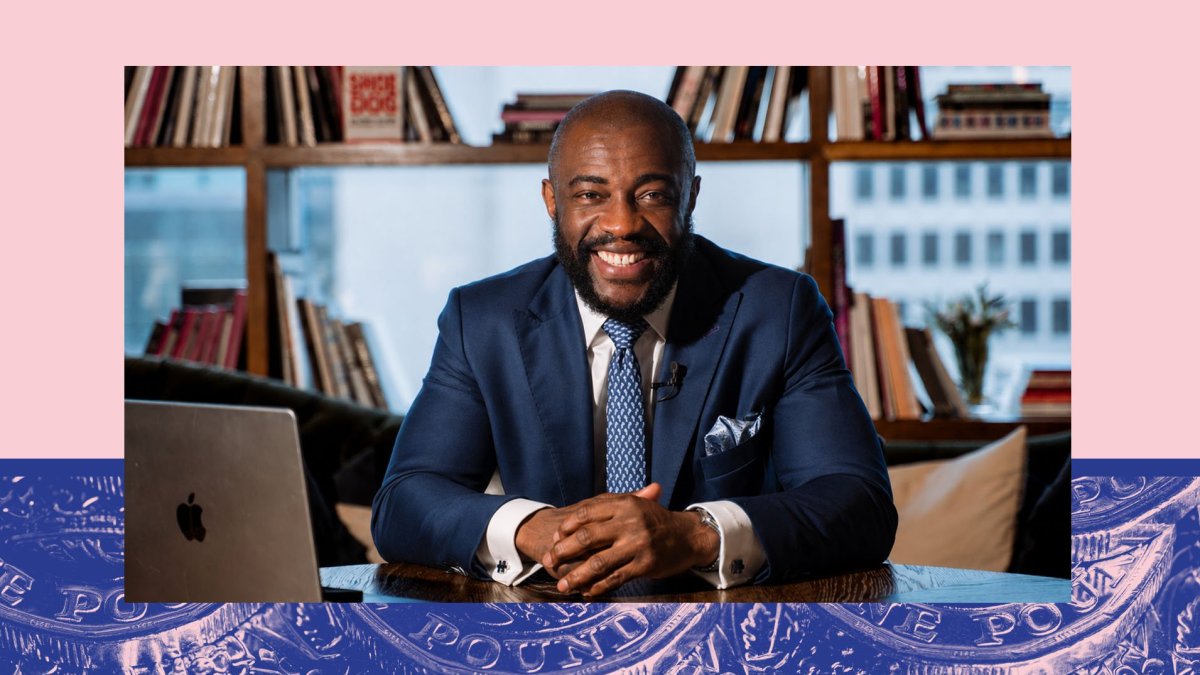
Tim Campbell: How you can stand out on job applications
Full Article
Original Source
Read the full article at Inews →KhanList aggregates and links to publicly available news content. We do not host full articles from third-party sources. Always verify important information with original sources.