
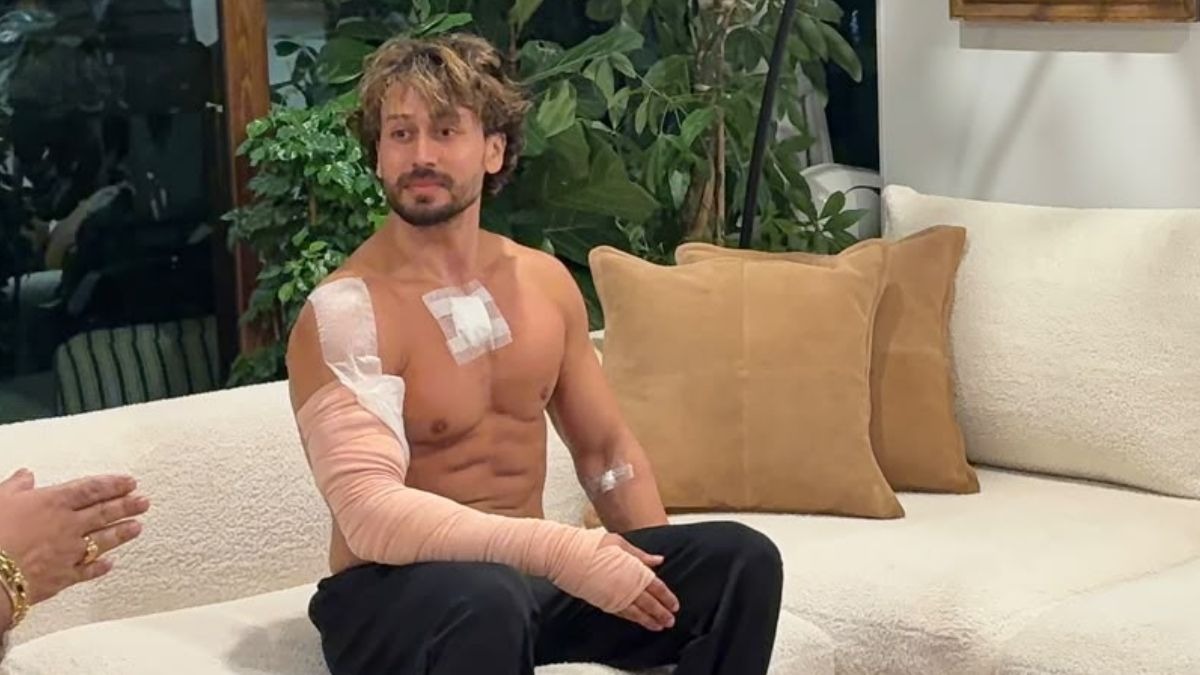
On October 18, 2026, Bollywood actor Tiger Shroff was caught up in a firing incident in Mumbai's Juhu area. According to reports, five rounds were fired at his car. Maharashtra Deputy Chief Minister Eknath Shinde said the actor sustained injuries to his right hand from gunpowder and glass fragments. His driver was also injured.The incident has drawn attention to a lesser-understood aspect of firearm injuries: a person does not necessarily have to be struck by a bullet to sustain an injury during a shooting.When a firearm is discharged, hot gases, flame, smoke, unburnt powder particles and tiny metal fragments can come into contact with the skin. Shattered glass can cause additional cuts and abrasions. Although these injuries may look minor, their appearance alone cannot establish how deep the damage goes.WHAT IS A GUNPOWDER RESIDUE INJURY?A gunpowder residue injury occurs when material released during a firearm discharge comes into contact with the skin, causing irritation, burns or tiny particles to become embedded in the tissue. According to Dr Ashok Pansari, Lead Consultant – Internal Medicine, C.K. Birla Hospital, Delhi, the severity depends on the firearm, ammunition, firing distance and extent of exposure.“Such injuries may appear as small reddish-brown or dark specks around a wound,” he explains.CAN GUNPOWDER BURN THE SKIN EVEN IF A BULLET DOES NOT HIT YOU? Yes. A bullet does not have to penetrate the skin for material accompanying a firearm discharge to cause injury.Hot gases, flame and particles can cause redness, irritation, superficial burns or tiny embedded particles. At close range, heat and flame may burn the skin or singe hair. Smoke and unburnt particles may also leave deposits on the skin or become embedded in its surface.The extent of damage depends on the firearm, ammunition, firing distance and exposure. The appearance of an injury alone cannot establish the precise distance from which a shot was fired.Dr Pansari explains that gunpowder residue and hot gases can cause superficial burns, redness, irritation and tiny embedded particles even when a bullet does not penetrate the skin.However, the absence of a visible bullet wound does not necessarily mean the person is safe.“The absence of a visible penetrating wound does not exclude deeper trauma,” he says.A person involved in a shooting may also be injured by shattered glass, flying fragments or a projectile that strikes another part of the body. In Tiger Shroff's case, reports attributed his injuries to gunpowder and glass fragments. The publicly reported description alone does not establish the exact depth or medical classification of his injuries.GUNPOWDER RESIDUE INJURY VS GUNSHOT WOUND VS BULLET GRAZEAlthough these injuries can occur during the same incident, they are not interchangeable.Gunpowder residue injury: Material released during a firearm discharge comes into contact with the skin. It may leave tiny dark spots, embed particles or cause superficial burns and irritation.Gunshot wound: A projectile penetrates the body, potentially damaging muscles, blood vessels, nerves, bones or internal organs. The seriousness depends on its path and the structures affected.Bullet graze: A projectile passes along the skin, scraping or tearing its surface and causing an abrasion or laceration.Thermal burn: Heat causes tissue damage. Flame and hot gases accompanying a firearm discharge can cause burns that overlap with other injuries.A person can sustain a penetrating gunshot wound surrounded by powder marks or suffer cuts from glass alongside superficial burns. The important question is whether the incident has damaged deeper tissues, blood vessels, nerves or other structures.WHY CAN A SMALL-LOOKING INJURY SOMETIMES BE SERIOUS?The skin is the first visible indicator of an injury, but it does not tell the whole story.A superficial burn or a few embedded particles may cause limited local damage. A penetrating projectile, however, can travel beneath the skin and injure structures that are not immediately visible. The extent of damage depends on the projectile's trajectory, energy and the tissues it encounters.A 2022 review published in Orthopedic Research and Reviews, titled Gunshot Wounds: Ballistics, Pathology, and Treatment Recommendations, with a Focus on Retained Bullets, explains that gunshot injuries can affect soft tissue, bones, blood vessels and nerves.Three factors make medical assessment important:Hidden damage: A small skin opening does not necessarily reveal the full extent of injury beneath it.Retained fragments: Bullet fragments, glass or other foreign material may require assessment, depending on their location.Injury to vital structures: Damage to a major blood vessel, nerve, bone or internal organ can have serious consequences even when the external wound is small.This does not mean every gunpowder-related injury is dangerous or requires surgery. It means the severity cannot be determined from appearance alone.HOW DO DOCTORS DIAGNOSE AND TREAT A GUNPOWDER RESIDUE INJURY?Doctors first determine whether the injury is superficial or whether there is evidence of more serious firearm-related trauma.Dr Pansari says doctors examine the affected area for burns, abrasions, embedded particles, bleeding and signs of deeper tissue damage. They also establish the circumstances of the incident and check for possible penetrating injuries.Depending on the findings, imaging may be recommended to look for retained projectiles, fragments, fractures or deeper damage.For superficial injuries, treatment may involve gentle wound cleaning, removal of superficial debris, dressings and pain relief. A doctor may also assess whether tetanus vaccination is indicated.More serious injuries may require specialist treatment or surgery to control bleeding, repair damaged structures or address foreign material when medically necessary. Not every retained bullet or fragment needs to be removed; the decision depends on its location, associated damage and potential complications.Dr Pansari emphasises that any suspected firearm-related injury should receive prompt medical evaluation, even when the skin damage appears minor. People should not attempt to dig out embedded particles or fragments at home. Heavy bleeding, severe pain, numbness, weakness, a deep wound or suspected penetration requires urgent medical attention.DOES GUNPOWDER RESIDUE LEAVE PERMANENT MARKS?Not necessarily. The outcome depends on the depth of the injury, tissue damage, whether particles remain embedded and how the wound heals.Superficial irritation and minor burns may heal without lasting marks. Deeper burns, abrasions or embedded particles can leave pigmentation changes or scars. Persistent foreign material may require medical assessment.Powder tattooing is also relevant in forensic examinations. Specialists consider the pattern of marks alongside other findings rather than treating it as definitive evidence of the circumstances of a shooting.A firearm discharge can cause more than a bullet wound. Hot gases, flame, powder particles and metal fragments can injure the skin, while shattered glass can cause separate cuts and abrasions.- Ends
Tiger Shroff's gunpowder burns: How can skin be injured without a bullet wound?
Full Article
Original Source
Read the full article at Indiatoday →KhanList aggregates and links to publicly available news content. We do not host full articles from third-party sources. Always verify important information with original sources.