
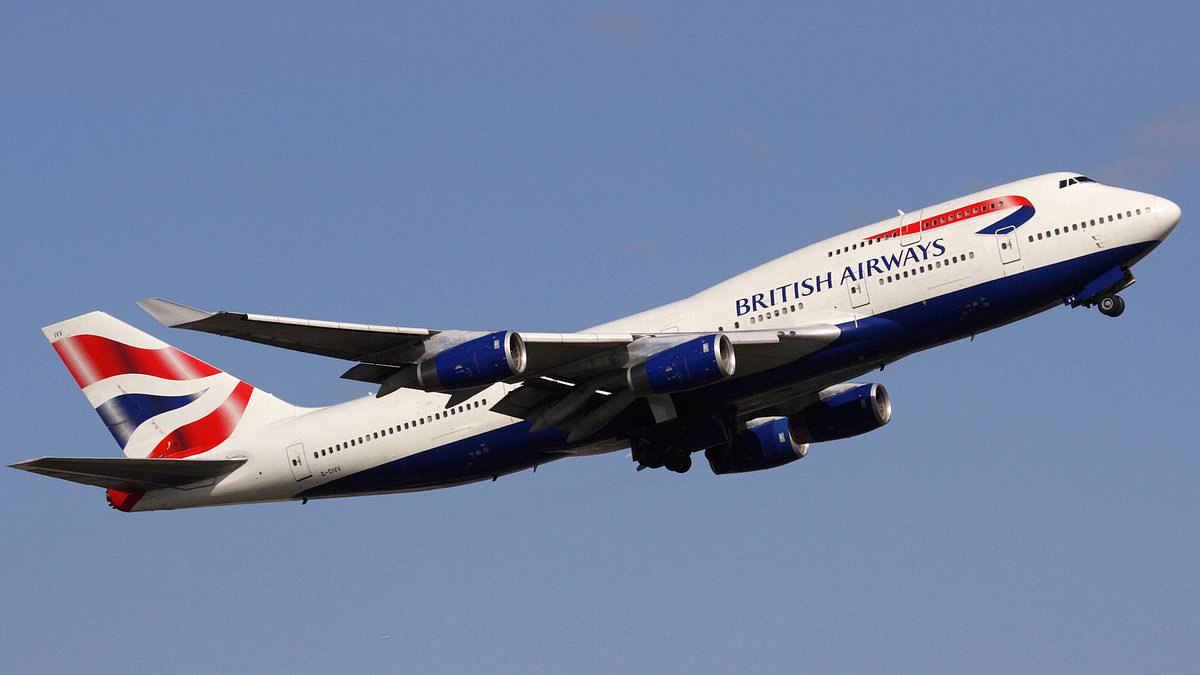
Published: 06:52 EDT, 26 October 2026 | Updated: 06:58 EDT, 26 October 2026 Three in four airline pilots in Europe have admitted to falling asleep in the cockpit, according to new research. A survey of nearly 7,200 captains and first officers has revealed issues of pilots reporting lack of rest and pressure to extend their shifts.The European Cockpit Association (ECA), which published the report last week, said the findings suggest pilots 'fear punishment' for reporting fatigue, which could pose 'safety risks'. Of the pilots surveyed, 24 per cent admitted that they continue to work instead of reporting themselves unfit due to fatigue while only 16.8 per cent said they call in sick instead. Meanwhile three quarters said they had taken 'microsleeps' in the cockpit due to fatigue. According to the US-based National Sleep Foundation (NSF), microsleeps are when you involuntarily 'fall asleep for a period of several seconds' and 'might not even realise'. But pilots can quickly succumb to fatigue due to irregular or changing shift patterns and jet-lag, which can disrupt your 'body clock', in addition to lack of sleep. The results have serious safety implications as these factors can impair pilots' judgment, slow their reactions, reduce their alertness and alter their responses to situations that are unexpected during a flight. New research has revealed that three quarters of European airline pilots have fallen asleep in the cockpit (File image)'During an episode, you may appear to be awake, and even have your eyes open, but your brain does not process information,' according to the NSF.The incidents reported by pilots in the ECA survey, conducted in August, had occurred in the previous four weeks. According to the industry group, those working for carriers based in Ireland and Malta admitted to the highest number of microsleeps. More than 30 per cent said they do not get enough sleep to prevent becoming fatigued. However, only one in three admitted they report themselves as too exhausted to fly when fatigued and 50 per cent said they had flown when they should not have due to fatigue in the three months prior to the ECA survey. Nearly half of those surveyed said they feared being penalised for reporting themselves as such as only 11.9 per cent feel their airline's fatigue reporting system is trustworthy. Only 15.6 per cent of captains or first officers for budget airlines believed their companies manage the risks of fatigue well. But licensed pilots are not allowed to fly when fatigued and are legally obliged to report to their airline when they are. Ian Holder, managing director of the aviation safety consultancy Baines Simmons, told The Guardian: 'This survey captures how European pilots experience fatigue risk management in practice.'He added that the findings showed persistent differences between how airlines and national aviation bodies manage fatigue. The ECA began a pilot fatigue campaign in June, saying: 'Summer disruptions are back. And fatigue risks getting worse than ever.'Years of cost-cutting, social dumping, precarious contracts, and Covid-induced instability have hollowed out aviation's operational resilience. 'The results? Chronic understaffing. Unrealistic scheduling. Inadequate buffers. Commercial pressure to make it work no matter what. And all of it lands squarely on the shoulders of the crews.'As delays and disruptions increase across Europe's airports, and airspace is more and more crowded, pilots are being asked – directly or indirectly – to go the extra mile. 'But when that "extra mile" comes at the cost of alertness, decision-making, and safety, it becomes a risk, not a solution.'
Three quarters of European airline pilots admit they have fallen asleep in the cockpit
Full Article
Original Source
Read the full article at Dailymail →KhanList aggregates and links to publicly available news content. We do not host full articles from third-party sources. Always verify important information with original sources.