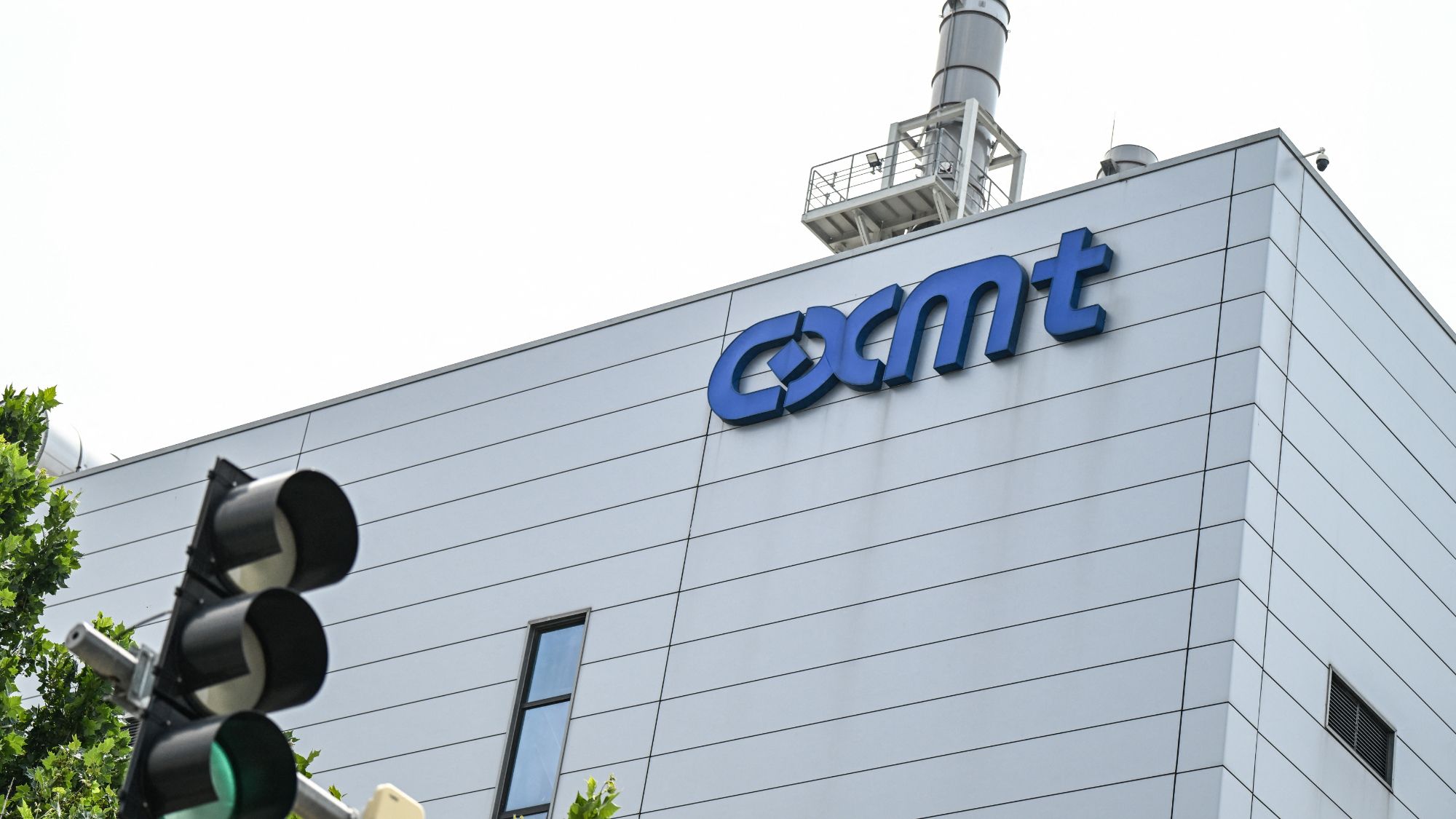
(Image credit: Getty / Pedro Pardo) As the global AI-induced memory shortage continues to bite and PC makers scramble to get their hands on supply while keeping costs down, a new report claims that PC makers HP, Asus, and Acer have started to use a small amount of Chinese memory chips made by CXMT. According to Nikkei Asia, the limited utilization extends to notebooks for non-U.S. markets.Go deeper with TH Premium: MemoryAccording to the report, "many" major PC makers have completed the qualification process for CXMT DRAM recently, and "have started to use a limited amount in their notebook computers," citing sources familiar with the matter. The report further states that the vendors are using a "very limited" number of CXMT chips in an equally small number of notebook models. Furthermore, these notebook models are purportedly not destined for sale in the U.S. market.The restraint is natural, given CXMT is listed by the Pentagon as having ties to China's military; however, the report cites sources who also claim that PC makers are being cautious not to upset the big three memory makers in Micron, Samsung Electronics, and SK hynix. Lawmakers in Washington are reportedly lobbying to have CXMT outright blacklisted.The report describes the development, which has not been officially confirmed, as a major win for the Chinese company. Acer was the only company to respond to a request for comment by the publication, stating that while the company did not disclose its suppliers, "we keep in close contact with multiple global manufacturers and suppliers to adjust operations to manage component price changes dynamically. We work with multiple manufacturers and suppliers to enhance our supply chain resilience." Notably, Acer did not deny the report.CXMT recently posted a 466% leap in its share price following its IPO in Shanghai. The company indicated that the majority of its investment is focused on water lines and process upgrades for DRAM, rather than lucrative HBM needed for AI data centers. With memory supply constrained, Apple has reportedly been lobbying the U.S. government for permission to buy CXMT chips. Nikkei's latest report further hints at demand for a fourth player in the memory market to ease supply issues.Motherboard vendors like Gigabyte have also announced support for CXMT, as companies look to ease pressure on the DIY PC-building market, which has suffered drastic price increases in the last 12 months. The current RAM pricing state of play indicates prices have risen by 400% or more in the last 12 months, making building a PC in 2026 prohibitively expensive for many gamers.Ironically, Nikkei reports a source who claims that CXMT's memory pricing is not actually any cheaper than the aforementioned three major players, stating, "Their DRAM is definitely no cheaper than the likes of Samsung." As such, it's possible that reports of the likes of HP turning to CXMT may purely be a matter of securing additional supply, rather than saving money.Get Tom's Hardware's best news and in-depth reviews, straight to your inbox. Follow Tom's Hardware on Google News, or add us as a preferred source, to get our latest news, analysis, & reviews in your feeds. Stephen is Tom's Hardware's News Editor with almost a decade of industry experience covering technology, having worked at TechRadar, iMore, and even Apple over the years. He has covered the world of consumer tech from nearly every angle, including supply chain rumors, patents, and litigation, and more. When he's not at work, he loves reading about history and playing video games.
Three major PC makers now using Chinese memory to fight 'unprecedented memory shortage,' report claims — HP, Asus, and Acer using 'small amounts' of CXMT chips in limited number of notebooks for non-US market
Full Article
Original Source
Read the full article at Tomshardware →KhanList aggregates and links to publicly available news content. We do not host full articles from third-party sources. Always verify important information with original sources.