
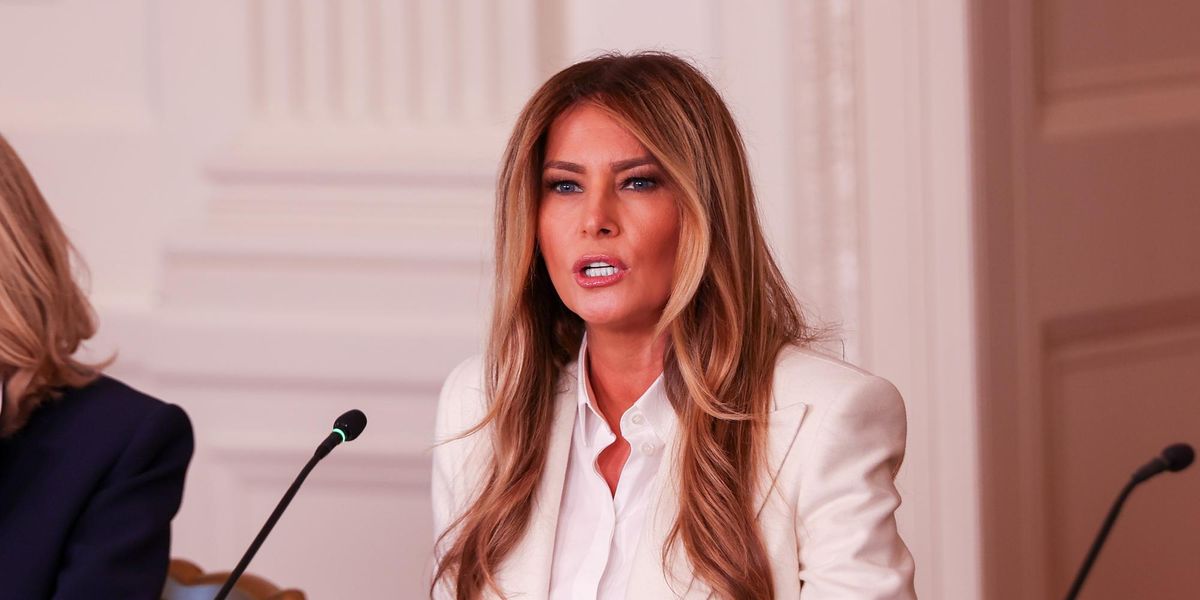
The humanitarian ceasefire in Oleshky, Ukraine, mediated by First Lady Melania Trump and Pope Leo XIV and jointly implemented by Ukraine and Russia, is unprecedented since the start of this war in 2022. Its success and people-centered spirit also stand in conspicuous contrast to the repeated attempts by the Trump administration to end the war, which have all ended in frustrated failure. There has been pragmatic, if intermittent, engagement between Russia and Ukraine virtually since the 2022 Russian invasion, around issues like the exchange of prisoners of war and the bodies of the fallen, or the Black Sea Grain Initiative. But until October 27, 2026, no humanitarian ceasefire along the frontline had ever been successfully implemented; it had never even been attempted. The story of how Oleshky became a step on the path towards peace has twists and turns. The town on the left bank of the Dnieper River was occupied on the first day of the 2022 Russian invasion. Later that year, after Russian forces withdrew from Kherson city across the river, Oleshky became a staging point for Russian attacks and a target of Ukrainian drones and shells, with civilian populations on both sides bearing the cost. Oleshky suffered from catastrophic flooding after the Kakhovka dam broke in June 2023. As drone warfare became more prominent over the course of the war, life in Oleshky turned into hell. Ukrainian drones and Russian mines left the only road impassible. Food and medicine became scarce, and civilians could no longer leave — a problem other frontline communities on both sides still face today.In early 2026, a campaign by Ukrainian activists to “save Oleshky” began to gather steam in Western media. The campaign was vague on how exactly Oleshky ought to be saved; it did not specify evacuation and humanitarian deliveries and instead joined the wider chorus for greater military support for Ukraine. Yet it succeeded, if not quite as intended, because in September, Melania Trump was moved to help Oleshky’s population, in addition to facilitating the return of Ukrainian children from Russia, which she has been working on for a year. News of the first lady’s efforts were initially met with skepticism and even panic by those who had headlined the campaign to “save” the town, including in Western media: it was supposedly a grubby PR move by Trump (the president presumably, not Melania) or Russia, or yet another Russian ruse to kidnap more Ukrainians and redeploy their own forces. If the ceasefire had been intended as PR, it worked. It worked for Ukraine, whose commissioner for human rights, Dmytro Lubinets, displayed exceptional professionalism, panache and love of country over four days of video messages from Russian-occupied territory, Russia proper, Belarus (serving as a transition hub for Oleshky residents moving to unoccupied Ukraine), and ultimately Ukraine. The Ukrainian military conducted complex negotiations with their Russian counterparts to implement a wide-ranging and almost perfectly-observed ceasefire in an otherwise messy warzone. Evacuated Ukrainians, wrapped in their flag, broke down crying as they hugged long-separated family members. It worked for Russia, too. High Commissioner for Human Rights Yana Lantratova (not long ago sanctioned by the U.S. and Europe) led a fleet of gleaming new buses, specialized ambulances and even cages for evacuees’ pets, accoutrements that were much unlike the usual, chaotic frontline evacuations run by volunteers in their ramshackle vehicles. She also displayed courtesy to her Ukrainian counterpart, including nodding along while listening to Lubinets speak Ukrainian, a detail that will not have escaped any Ukrainians watching. Russia’s scrupulous observation and competent execution of the ceasefire demonstrate that, contrary to received think tank wisdom, diplomacy with Russia is in fact feasibleEven if both Russia and Ukraine were only seeking to flatter Trump, it would be extremely odd if they did so in unison — sharing selfie videos, agreeing their talking points and nodding along to each other’s statements. There is more to the Oleshky ceasefire: if both sides came away looking good, it was because they did a very good thing, and they did it well.The competent, disciplined implementation of this ceasefire and humanitarian mission throws a new light on the war-ending diplomacy pursued by the Trump administration for the last one-and-a-half years. Trump and his negotiators have never succeeded in silencing the guns. They have not been able to bring together the Russian and Ukrainian sides for the kind of constructive collaboration that delivers results, let alone for joint execution of complex humanitarian operations. The Trump administration’s diplomacy has consisted of drawing up superficial outlines of settlements and then presenting them mostly to Russia and only sometimes to Ukraine, demanding rapid and uncomplicated acceptance from both, so everyone can move on to more lucrative kinds of deal-making. Their approach to peace-making has been high-handed, consumed with grand bargains, unconcerned with details and annoyed with complexity. Admittedly, the administration’s peace efforts have failed for a number of reasons, not least that European leaders have acted as spoilers — something they freely admit. But U.S. negotiators have been putting the cart before the horse, drawing up outlines of final settlements and scheduling red carpet summits instead of listening to ordinary Ukrainians and attempting to address their needs, and in the process identifying humanitarian, economic and other pragmatic issues on which the interests of both sides might align.The Oleshky ceasefire began with centering the needs of the most vulnerable: residents of a frontline region facing drones, mines and shortages of supplies. Neither party had prioritized these people’s security and wellbeing over their military objectives — until now.The visuals of the operation, not least the professional chemistry between its Ukrainian and Russian leaders, were striking, but Oleshky is about something more than vibes and the emotional impact of watching long-separated families reunite. It is about a tried-and-true, if unglamorous, practice of peace-making: start with practical, not overly political issues that both sides have an interest in addressing, on which their positions are not zero-sum and diametrically opposed. Then use the resulting trust — experience of successful cooperation and rapport built between negotiators — to tackle more contentious issues. Instead of resolving the entire conflict in one fell swoop, chip away at it one small issue after another. As Ukrainians have been joking, why can’t Melania just broker more ceasefires along the whole front line, until there is nothing left of the war? The Oleshky ceasefire is an example of people-centered peacemaking, wherein the process of transforming a conflict is guided by the needs of the people affected by it and what they require to be safe, to survive and lead full lives. People-centered peace-making flips the normal logic of war — of power, violence, the demands of armies and desires of states as determined by the powerful — on its head. Diplomacy becomes about bedridden villagers and their cats, not NATO, neutrality or Europe’s security architecture. Peace deals that have come about through this kind of approach tend to be sturdier and allow for stronger post-conflict rebuilding.Since completing the mission, Commissioners Lubinets and Lantratova have both asked that First Lady Melania Trump help broker more ceasefires, so they can together build on the successful experience of Oleshky. On November 5, hosting Russian and Ukrainian officials in the White House to recognize them for their joint achievement at Oleshky, the first lady called for turning “modest beginnings” into “something extraordinary” and finding common ground “through a shared concern for the suffering of innocent people” to “brighten a path toward lasting peace.” Those who genuinely want to end this war should take note.
Three cheers for Melania Trump-led ceasefire in Ukraine
Full Article
Original Source
Read the full article at Responsiblestatecraft →KhanList aggregates and links to publicly available news content. We do not host full articles from third-party sources. Always verify important information with original sources.