
3 min readHere’s what you’ll learn when you read this story:Although the soft tissue of the human brain is particularly vulnerable to decay after death, archaeologists regularly find preserved brains amid remains where all other soft tissues have deteriorated.A new study investigated several human brains—typically found in waterlogged, hypoxic environments—that resisted decay while other organs did not. They found that a lack of oxygen disrupts the free-radical crosslinking in brain proteins that supercharges decay. Instead, molecules form links with other brain proteins, creating stronger structures that resist decomposition.The human brain is made mostly of water, protein, carbohydrates, and fat—lots of fat. In fact, roughly 60 percent of the brain is fat, making it the fattiest organ in the body. Because fats lack a mineralized structure like bones, once someone dies, the brain usually decomposes before preservative mineralization takes place.However, that’s not always the case.According to a new study published in the Journal of Proteome Research (proteomics is the study of the complete set of proteins expressed by an organism’s genome), archaeologists have documented more than 4,400 preserved human brains worldwide, some of which are nearly 12,000 years old. And in over 1,300 of those cases, the brain was the only soft tissue that survived intact after all other soft tissues had decayed. This archaeological anomaly inspired an obvious question: Why did these brains persist?“This contradiction between the brain’s persistence over millennia and its biochemical lability post-mortem suggests that the central nervous system follows a taphonomic trajectory─a pathway by which biological tissues are altered, degraded, or preserved from the moment of death to their eventual recovery─that is both organ-specific and mechanistically distinct from those stabilizing other soft tissues,” the authors wrote.While the preservation of soft tissues is uncommon, it’s not impossible, and there are more than a few ways this can happen. Mummification—the favored post-mortem pastime of the ancient Egyptians—is one method, but freezing is another. Ötzi the Iceman, arguably one of the most famous corpses in history, passed millennia well-preserved inside glacial ice. Finally, there’s a process known as saponification, where fats exposed to anaerobic bacteria in warm, damp environments form a soapy substance known ominously as grave wax. While these processes undoubtedly explain why most of the ancient brains unearthed by archaeologists withstood the test of time, roughly 1,300 or so specimens defy these explanations.The research team, led by Oxford forensic anthropologist Alexandra Seviour, analyzed these archaeological exceptions and noticed one critical piece of evidence: When brains were found intact among human remains, they were typically in waterlogged, oxygen-poor (or hypoxic) environments. So, to study this phenomenon, the team decayed mouse carcasses for up to six months in various environments, modified by the availability of oxygen and water. Then, by using high-resolution liquid chromatography–tandem mass spectrometry, they took a snapshot of the brain proteome at varying intervals while modeling more than 1.2 million peptide-specific decay trajectories.The researchers found that oxygen was the key metric for whether a brain would survive millennia underground. Oxygenated burials promoted widespread protein loss, while a lack of oxygen supported certain proteins that resisted decay. Drilling down a step further, the presence of free radicals—highly reactive molecules with only one unpaired electron—in an oxygenated environment created a “chain-like sequence,” according to Live Science, that supercharged decay.However, in conditions that significantly restrict that oxygen availability, other molecules in the sequence suddenly form links to neighboring brain proteins instead, creating an overall structure that resists organic degradation after death. While the brain does benefit from sequestration in the “cranial vault,” the authors note, the fatty organ is also rich in metals that promote this free-radical behavior. This makes the brain a target, but also a benefactor, in a process where decay essentially becomes its own form of preservation.“This study shows that decay is not the opposite of preservation but, under specific chemical constraints, one of its mechanisms: the same oxidative reactions that drive molecular destruction can also generate molecular stability.” the authors wrote.Darren lives in Portland, has a cat, and writes/edits about sci-fi and how our world works. You can find his previous stuff at Gizmodo and Paste if you look hard enough.
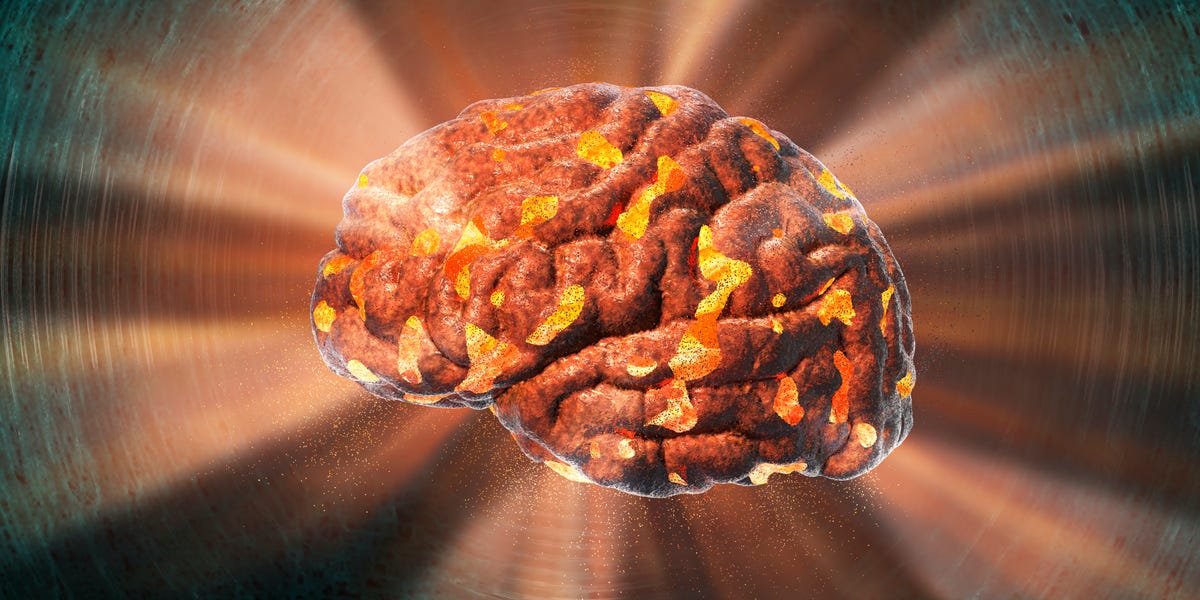
Thousands of Ancient Human Brains Refuse to Rot—and Scientists Finally Know Their Strange Secret
Full Article
Original Source
Read the full article at Popularmechanics →KhanList aggregates and links to publicly available news content. We do not host full articles from third-party sources. Always verify important information with original sources.