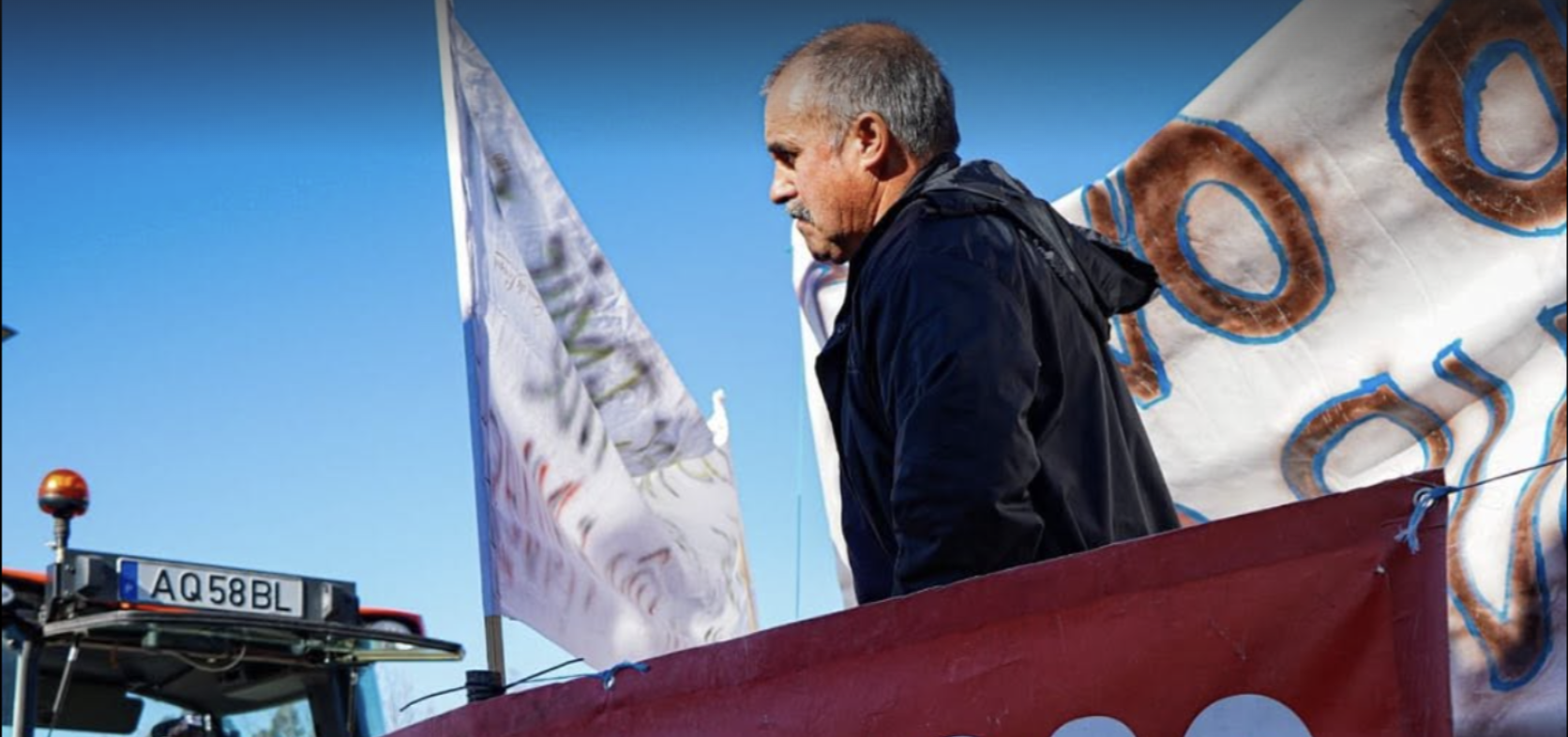
Around 1,000 people are expected to gather this week in a Portuguese mountain village to protest against a lithium mine that Brussels has designated as strategically important to Europe. The protest is planned to take place from 6 to 10 August at the Quinta do Cruzeiro farm in northern Portugal, and will feature debates and live music alongside public protest and villager testimonies. It is the sixth such gathering organised by United in Defence of Covas do Barroso (UDCB), a residents’ association that has fought the project since 2017. The target is the Mina do Barroso, an open-pit lithium mine planned by London-listed mining developer Savannah Resources. It would be one of the largest in Western Europe. But it is surrounded by farming landscape recognised by the UN’s food agency as a Globally Important Agricultural Heritage System, the only such site in Portugal. Savannah, for its part, says the mine would bring around 500 long-term jobs at the site, more than 1,000 indirect ones, and €720m in taxes and royalties for Portugal over an initial period of 14 years. Savannah's chief executive Emanuel Proença has also argued it would help reverse the region's demographic decline by bringing working-age families back to Barroso. But the villagers oppose the project despite the economic benefits it might bring, saying that the fight is no longer just about the mine itself. "A narrative of inevitability has been built around lithium mining projects in Portugal and the supposed public interest is rarely subjected to meaningful public debate," said UDCB member Diogo Sobral. Meanwhile, he added, the only ones who “matter” in the discussion are "those who stand to benefit from these projects." On 6 May, Portuguese deputy state secretary for energy Jean Barroca signed a decree granting Savannah access to roughly 228 hectares of private and common land without the owners' consent. The villagers then took the case to court in Mirandela, which resulted in a stop order on 9 June. But work quickly restarted after the environment ministry filed a "reasoned resolution" stripping the suspension of its effect. Source: Savannah Resources Legal battle continues The government used a legal instrument known as an 'administrative easement'. It stops short of expropriation, but forces landowners to grant a company access to their land in return for compensation on the grounds of public interest.
Thousand protesters to camp out against the EU’s flagship lithium mine in Portugal
Full Article
Original Source
Read the full article at Euobserver →KhanList aggregates and links to publicly available news content. We do not host full articles from third-party sources. Always verify important information with original sources.