
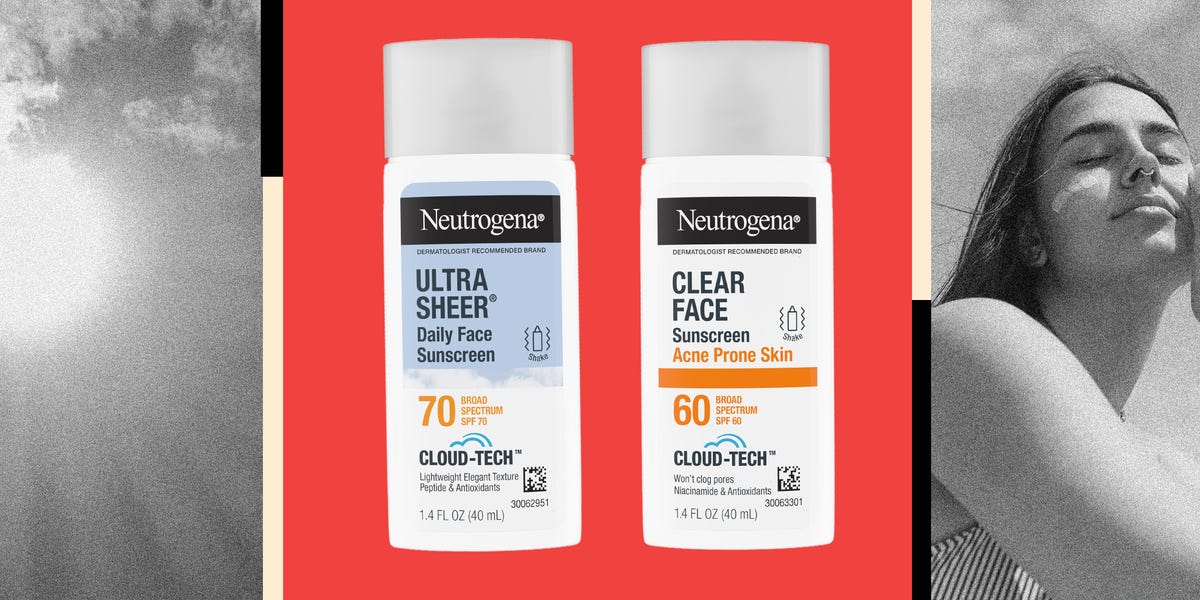
6 min readIt’s the worst kept secret of skincare enthusiasts and beauty lovers alike: travel to Europe, stock up on sunscreen. Many people, myself included, vacation overseas and come back with suitcases filled with European or Asian SPF formulas. The widely held belief is that they feel better, are less chalky, and provide better protection from UVA and UVB radiation. Foreign manufacturers have access to different filters that we do in the United States because sunscreen is regulated as an over-the-counter medication here, so regulatory red tape abounds. In fact, the United States Food & Drug Administration (FDA) hasn’t approved a new sunscreen filter for use in American products in more than thirty years.That all changed this summer, possibly making those overseas SPF hauls a thing of the past. In August, the FDA recently approved a new filter called bemotrizinol (BEMT), which has been used in other countries for years.It’s big news because this next-gen ingredient provides broad-spectrum UVA and UVB protection, offering another tool to help combat the sun-induced visible signs of photoaging and the development of skin cancers. With BEMT poised to pop up in the formulas of some of the biggest sunscreen brands, we were thrilled that the biggest of all—Neutrogena—invited us to visit the lab where they made their new BEMT-powered sunscreens featuring a proprietary Cloud-Tech technology, the first drugstore formulas to feature the new ingredient.Along with Women’s Health beauty director Brian Underwood, I put one of Neutrogena’s new formulas to the test for several weeks and it’s, in a word, perfection, I was also able to speak to the brand’s senior scientist, Marina Teles Sutija, about what makes this ingredient and formulation so unique.Trust me, you’re going to want to read all about it.How is BEMT different from current sunscreen filters on the market?First, I’m going to break down the American sunscreen landscape for you a bit. There are two groups of active sunscreen ingredients available to the American consumer. The first are organic or “chemical” filters like avobenzone, oxybenzone, octinoxate, and homosalate, the second are inorganic or “mineral” filters such as zinc oxide and titanium dioxide. Both work to absorb the sun’s damaging UV rays and release them as negligible and harmless heat energy (though mineral filters do reflect a small portion of that light away from skin).Until BEMT was approved for use in August, the FDA permitted the use of 14 organic filters and two inorganic filters. Since research showed that many organic filters were absorbed into the bloodstream at levels higher than the agency permits, the FDA is requesting more safety data before they categorize these ingredients as GRASE (”generally regarded as safe and effective”). The mineral filters were not shown to be absorbed into the bloodstream, so the FDA labeled them as GRASE from the get-go. (It’s important to note that while the agency is requiring more safety data on certain chemical filters, no human trial has ever found these ingredients to be harmful to human health and they’ve been used safely overseas and on our shores for decades.)BEMT is an organic or chemical filters, but unlike others, it has not been shown to be absorbed into the bloodstream so it is considered GRASE by the FDA—big news because there are currently no other chemical filters to receive that classification. Not only that, but “BEMT is a highly photostable, broad spectrum UV filter that provides superior UVA protection than other commonly used filters while allowing for highly transparent formulations,” explains Sutija. Due to its high photostability, sunscreens that contain BEMT stay effective longer in sunlight. BEMT is also noted to be better for sensitive skin because of its larger molecular structure and low skin absorption. Essentially, its high stability prevents it from penetrating the skin barrier and causing any kind of adverse reactions on the skin.That being said, you will not find BEMT on its own in a formula—it’s likely to be combined with other sunscreen filters to help maximize its benefits.What’s the deal with Neutrogena’s new BEMT formulas?Today, the brand is introducing not one, but two, new formulas featuring bemotrizinol. They are:Neutrogena Cloud-Tech Ultra Sheer SPF 70 This is formulated with patented micro-peptide technology to protect skin against sun-induced collagen loss, along with antioxidants that help defend against long UVA and blue light exposure.Neutrogena Cloud-Tech Clear Face SPF 60 A non-comedogenic formula specifically designed for acne prone skin, it contains niacinamide and vitamin E and provides a non-greasy, weightless texture without clogging pores. Both formulas combine the newest sunscreen filter with Neutrogena's proprietary Helioplex360 technology for full UVA and UVB coverage and a skincare-like finish and feel. “These innovations are designed to deliver next generation sun protection, skincare benefits, and a cloud-skin feel,” explains Sutija. She notes that during the testing phase of the sunscreens, “cloud-tech delivered stronger protection against the UV rays that contribute to skin aging, while providing a more transparent finish than a leading Korean sunscreen brand, and stronger UVA protection than the top luxury face sunscreen.”But perhaps the biggest selling point of the sunscreen, aside from the latest UV filter, is the aesthetics of these formulas. Both are fast-absorbing, blend effortlessly across all skin tones, leave no white cast, give the skin a healthy sheen, and best of all, layer comfortably under makeup without any pilling.Our honest thoughts on Neutrogena’s new BEMT-powered sunscreens.Both myself and our beauty director were was able to get our hands on Neutrogena’s latest sunscreen innovations toward the end of August. He and I both focused on testing the Ulta Sheer formulation because neither of us have particularly acne-prone skin. I was easily able to incorporate it into my daily routine, especially because of how lightweight the formula is. The consistency of the sunscreen is similar to that of a thicker skincare-like serum, and though it’s a stark white liquid, it blends seamlessly into the skin, leaving behind a noticeable glow.I applied the serum about two to three times a day (every two hours) and after about three weeks of consistent use, I noticed that aside from protecting my skin from UV rays, it slightly faded some residual hyperpigmentation I tend to get over the summer from the heat. I also tested the sunscreen against lighter makeup; I would reapply during the day over my CC cream and I didn’t notice any major smudging. For the most part, all I noticed was a refreshed-looking glow on top of my light makeup.Underwood’s experienced was similarly positive. He applied the sunscreen once in the morning and was impressed with the lightweight texture and feel. “I struggle to find a sunscreen I can really fall in love with—mineral formulas are often far too thick for me and chemical-based sunscreens tend to be greasy” he says. “Not this one: The texture is flawless. It blends so easily, it’s like wearing nothing.” He also noticed an improvement in his skin with continued use. “I felt like my complexion was glowier than ever. But the biggest plus was that I never had to apply any magnifying product over it, which I normally do with sunscreen. This just left my skin beautiful but not greasy.”The bottom line: Don’t sleep on these new SPFs.As a major sunscreen enthusiast, you can catch me reapplying every two hours no matter the season. I live for a product that is lightweight and easy to reapply. That said, there is absolutely nothing to not like about this product: it contains the latest and best sunscreen filter we currently have in the U.S., it’s lightweight, it doesn’t leave a white cast, and perhaps best of all, it’s incredibly affordable (at $16.99) so you can reapply as many times as you please without breaking the bank. Underwood agrees, and says that these give the feel of a luxury product at an accessible price. “I’ve used sunscreens that cost three times the amount that I didn’t like nearly as much as I like this one,” he says. “10/10, no notes.”It’s also compact enough to toss in your bag and reapply on the go. As far as I’m concerned, there’s no excuse to not reapply anymore or anywhere.Taryn Brooke is a New York City–based freelance writer, beauty expert, content creator, and filmmaker specializing in beauty, aesthetics, and culture. Her work has appeared in New York, Allure, Glamour, InStyle, Cosmopolitan, New Beauty, and Marie Claire, where she regularly covers skincare, plastic surgery, cosmetic treatments, and makeup trends.Alongside her editorial career, Taryn writes, directs, and produces narrative short films that have screened at film festivals nationwide, including Academy Award–qualifying festivals. Her work across both media and film is driven by a sharp eye for storytelling, visual culture, and the evolving relationship between beauty and identity.Brian Underwood is beauty director at Women’s Health, where he oversees content strategy for the brand across all platforms, including digital, print, and social. Underwood previously served as beauty and wellness director at Oprah Daily and O, The Oprah Magazine. During his tenure leading beauty content for the Oprah brand at Hearst, stories Underwood commissioned were awarded the Skin Cancer Foundation Media Award and a Fragrance Award for Editorial Excellence (his second). He was the launch Beauty Director of Dr. Oz THE GOOD LIFE, and has held additional editorial positions at Fitness, Organic Style, Good Housekeeping, Life & Style Weekly, and Woman’s Day and has written for Self, Shape, Seventeen, Redbook, Cosmopolitan, and many more. Underwood previously served on the Skin Cancer Foundation’s gala committee and as partnerships director of the Trans Beauty Clinic, a New York-based charitable organization that provided beauty services and workshops to the city’s trans community.
This Summer, the FDA Approved a New Sunscreen Filter. These Are The First Drugstore Products to Have It.
Full Article
Original Source
Read the full article at Womenshealthmag →KhanList aggregates and links to publicly available news content. We do not host full articles from third-party sources. Always verify important information with original sources.