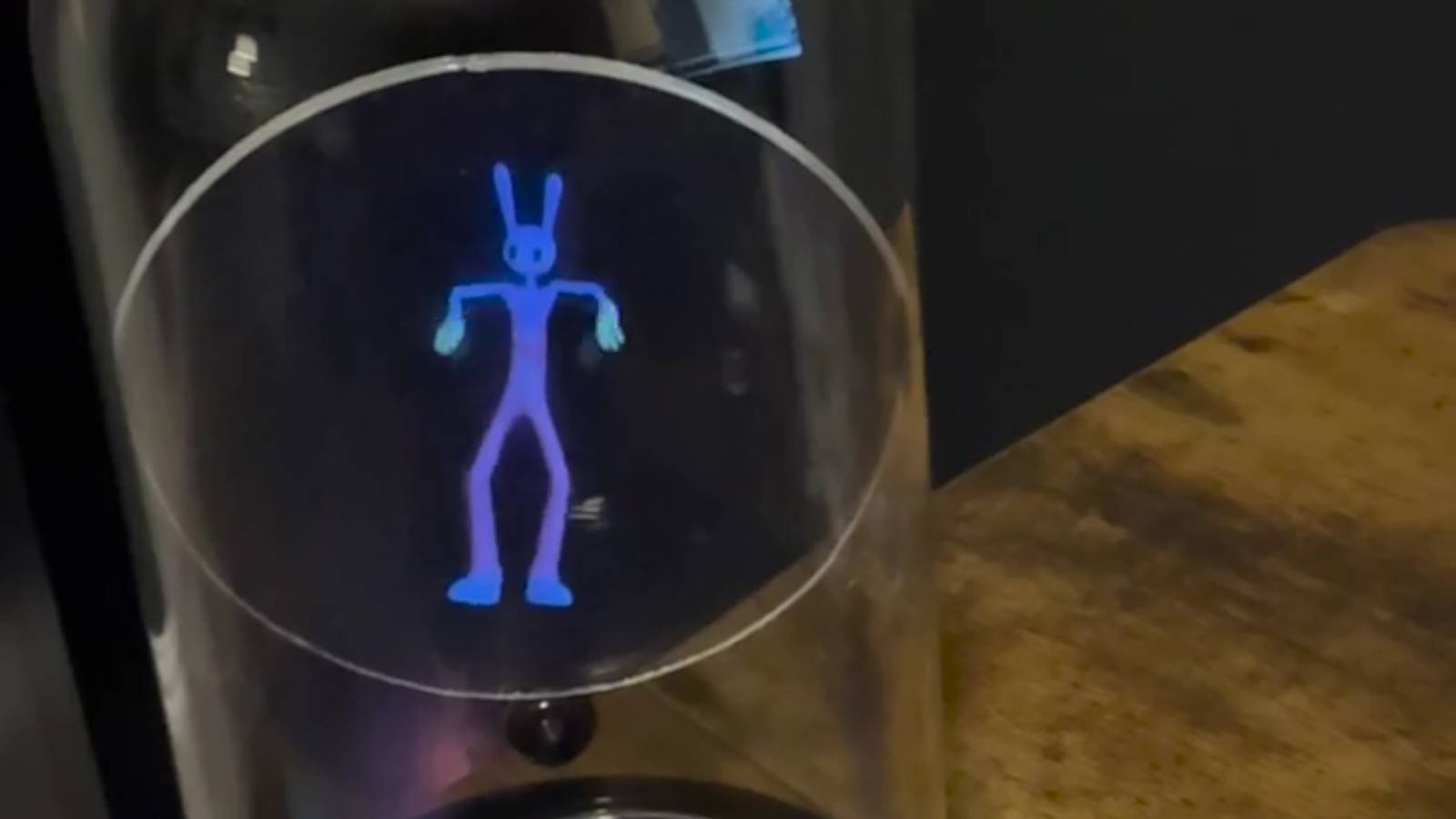
Credit: koges Published Jul 27, 2026, 11:53 PM EDT Simon is a Computer Science BSc graduate who has been writing about technology since 2014, and using Windows machines since 3.1. After working for an indie game studio and acting as the family's go-to technician for all computer issues, he found his passion for writing and decided to use his skill set to write about all things tech. Since beginning his writing career, he has written for many different publications such as WorldStart, Listverse, and MakeTechEasier. However, after finding his home at MakeUseOf in February 2019, he would eventually move on to its sister site, XDA, to bring the latest and greatest in Windows, Linux, and DIY electronics. Sign in to your XDA account Summary This Raspberry Pi project creates a hologram dancer that plays along with your Spotify playlist using the Pepper's Ghost illusion. The Pi 5 detects the current song's BPM and genre, picking from 80 dances to match the beat. The code hasn't been published yet, but it's expected to be shared once ready. Some of my favorite Raspberry Pi projects use the Pepper's Ghost illusion. It's a cheap and easy way to create a hologram that looks like it's materialising out of thin air. However, I think this project that makes the illusion dance to your Spotify playlist is probably my favorite implementation of the tech yet. The Pepper's Ghost Spotify dancer is the coolest way to listen to your fave tunes It'll hopefully have its code uploaded soon In a post on the Raspberry Pi subreddit, user koges showed off the first project they've finished with the SBC. They opted for a music player that shows a dancing hologram using Pepper's Ghost to pull the illusion off. If you've never heard of Pepper's Ghost, it's a classic theatre trick that has been around since the 19th century. When theatres wanted to portray an incorporeal being appearing out of nowhere (like a ghost), they set up a clear, angled glass pane on the stage. Then, they had a well-lit actor play the part of the ghost off-stage. When the glass pane is angled right, the audience sees the actor's reflection without seeing the pane itself, giving the appearance of a spectral being. When someone uses Pepper's Ghost in a Raspberry Pi project, they usually hide a screen in the base, then set up a clear pane of glass at an angle above it. When done correctly, anything you put on the screen reflects off the glass and gives the appearance of a hologram. Armed with this knowledge, koges used their newfound power to make Jax from The Amazing Digital Circus dance to their Spotify playlist. It's not just any random dance, though; the Raspberry Pi 5 running everything can detect the BPM and genre of the song and pick from one of 80 dances to match it. At the time of writing, koges hasn't published the code, but according to their comments in the thread, it appears they want to learn how to do that. Here's hoping they find a way.
This Raspberry Pi project uses the Pepper's Ghost illusion to show a hologram dancing to your tunes
Full Article
Original Source
Read the full article at Xda-developers →KhanList aggregates and links to publicly available news content. We do not host full articles from third-party sources. Always verify important information with original sources.