
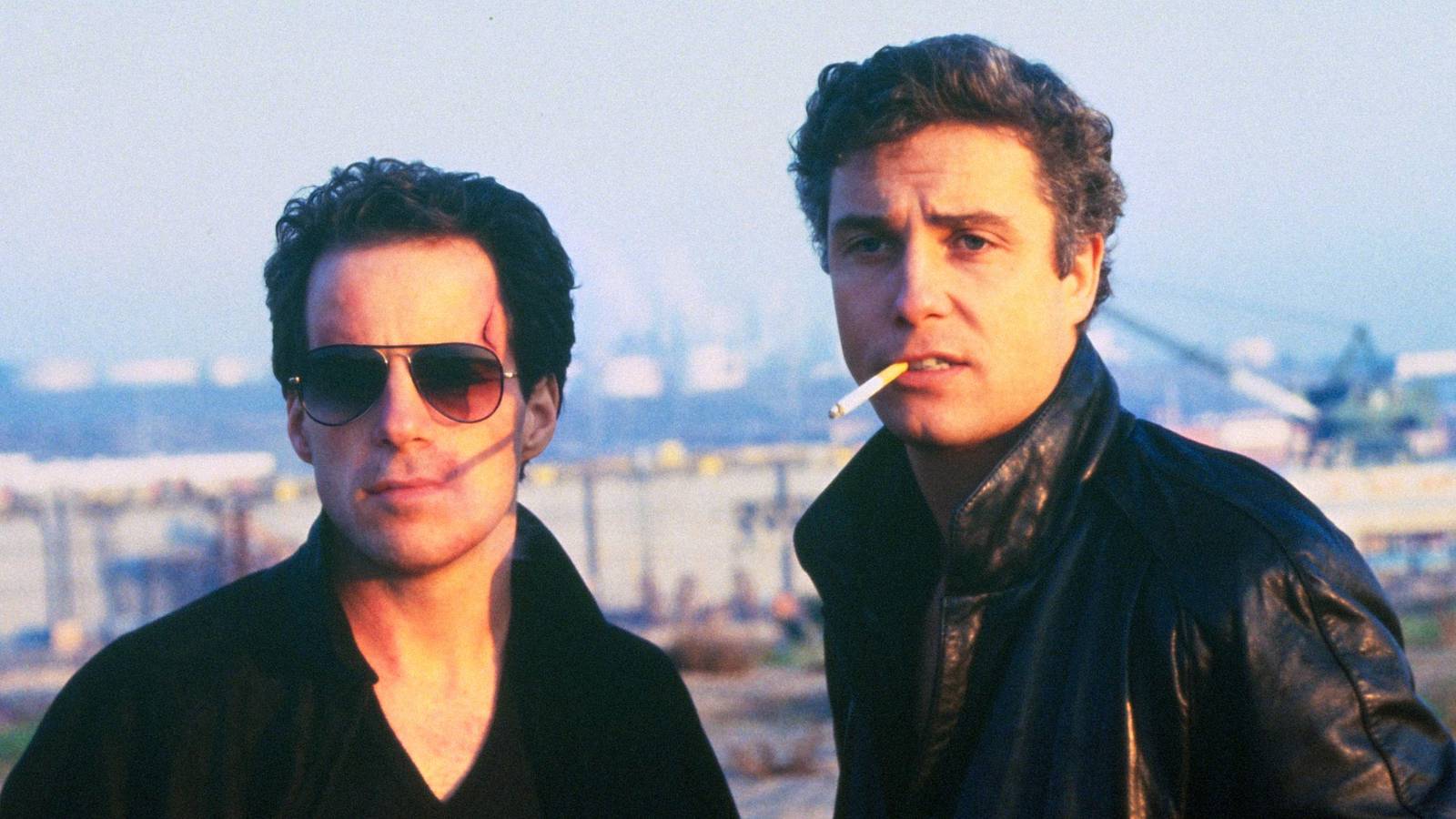
Published Sep 1, 2026, 6:07 AM EDT Luca Mehta is a Chicago-born critic, interviewer, and podcaster based in Toronto. He specializes in retrospectives, new releases, genre films, and red carpet interviews. My hometown of Chicago has four great cinematic exports: the Wachowski sisters, Michael Mann, and the late William Friedkin. A graduate of Senn High School (a ten-minute drive from where I grew up), Friedkin was one of the most beloved Chicagoans to walk the earth. Though he never filmed anything in Chi-town, Friedkin had a masterful understanding of cityscapes, as seen in his New York thrillers like Cruising and The French Connection–the latter of which earned him a Best Director trophy at the 44th Academy Awards. We all know classics like The Exorcist and cult films like Sorcerer, with one of his best works, To Live and Die in L.A., resting at the midpoint between both poles. Standing at Friedkin’s fourth-most-popular work (behind The Exorcist, The French Connection, and Sorcerer) on Letterboxd, you’d think more cinephiles would discuss To Live and Die in L.A. outside of its cult following. Based on the novel of the same name by former Secret Service agent Gerald Petievich, To Live and Die in L.A. is as cruel and mean as '80s crime thrillers get. Friedkin’s films never shied away from dissecting the ugly lines of morality, such as the Palestinian bomber, Kassem, in Sorcerer. Contrasting William Petersen’s Agent Chance and Willem Dafoe’s Rick Masters (in the early stages of their careers), To Live and Die in L.A.’s moral examination cements the film as a certified classic. ‘To Live and Die in L.A.’ is the Perfect Thriller Spiritually succeeding The French Connection by way of the Pacific, To Live and Die in L.A. is a classic example of “the city is a character” filmmaking. Were it not such a grimy, seedy action-thriller, I would even go so far as to call it a love letter to the city of angels. Cliché as it sounds, the clichés have to come from somewhere, right? Friedkin is largely adept at creating geographical space in his frames, as seen in the concrete jungles of Cruising and The French Connection, the open landscapes of Sorcerer, or the tight claustrophobia of the MacNeil house from The Exorcist. Comparatively, To Live and Die in L.A. fuses these threads into a sub-two-hour facemelter. By “facemelter,” I mean both metaphorically and semi-literally. You can feel the summer heat wafting through the screen and (thanks to a wonderful 4K transfer from Kino Lorber) the accumulated sweat on William Petersen’s forehead, lending itself to the humid swampiness that Friedkin and DP Robby Müller captured on gorgeous celluloid. It’s simultaneously the prettiest and ugliest Los Angeles thriller I’ve seen so far, though I don’t mean “ugly” pejoratively. Friedkin understands that there’s beauty in ugliness, and vice versa. It’s easily one of the most aesthetically pleasing movies ever made, charging a visual verve into The French Connection’s raw muscularity. In short: To Live and Die in L.A. is the full package and more. The Early Days of William Petersen and Willem Dafoe Image via MGM Considering that both William Petersen and Willem Dafoe (lots of guys named “Will” on this project) were household names long before I gained object permanence, it’s hard to wrap my head around them being young up-and-comers. Following a bit part in Michael Mann’s Thief, To Live and Die in L.A. was Petersen’s second feature film role, a chance (no pun intended) that Petersen did not take lightly. His rugged, wide-eyed demeanor perfectly fit into the mold of a paranoid law enforcer, while carrying a reputable intelligence alongside his less-ironed quirks. To Live and Die in L.A. launched Petersen into Hollywood stardom, and his next film, Mann’s Manhunter, continued a streak of neurotic-yet-capable policemen that endures to the present day. Willem Dafoe, on the other hand, was more of a bankable presence at the time. His first feature role was an uncredited appearance in Michael Cimino’s Heaven’s Gate before working with Kathryn Bigelow and Monty Montgomery on their debut film, The Loveless. Now one of Hollywood’s most notorious villain actors, Dafoe got a taste for wickedness in Walter Hill’s Streets of Fire, which he followed up with his portrayal of counterfeiter Rick Masters in To Live and Die in L.A. Thus was the chameleon’s genesis, launching Dafoe into a new register of Hollywood stardom. That said, I don’t think there are many roles of his that tap into as much darkness as he did for Rick Masters. William Friedkin was a Fantastic Action Director Image via MGM As with Friedkin’s quintuple-Oscar-winning The French Connection, To Live and Die in L.A. remains a cornerstone of classic action-thriller filmmaking. Friedkin is less interested in shootouts than in seeing sleekly built cars dangerously zip around crowded streets and highways, never compromising on creating a strong sense of danger when shit hits the fan. Friedkin famously shot The French Connection’s iconic car chase without any permits whatsoever, something that he regretted up until his death in August 2023. In an interview with the New York Post, Friedkin said, “It was only by the grace of God that nobody was hurt or injured in any way — or died because of that.” Though shot with permits, the same sentiment could go for To Live and Die in L.A.’s famous wrong-way freeway chase. Pursued by “criminals” later revealed to be undercover FBI, William Petersen’s Agent Chance and John Pankow’s Agent Vukovich hightail through a lane of oncoming traffic at ludicrous speed. Friedkin wanted to surpass The French Connection’s car chase, and that’s exactly what he did. Inspired by a brief mishap where Friedkin fell asleep at the wheel and ended up in the wrong lane, the car chase is as chaotic as they come, with Petersen doing most of the driving himself. After shooting two of the greatest car chases ever filmed, Friedkin’s status as an action-filmmaking savant is indisputable. ‘To Live and Die in L.A.’ Deserves its Legacy Image via MGM Now that summer is officially coming to a close, there’s no better time to watch (or rewatch) To Live and Die in L.A. than the present. Whether you’re a fan of William Friedkin, William Petersen, or Willem Dafoe, there are enough thrills to sustain To Live and Die in L.A. for another forty years. Semi-tangentially, one can’t forget Wang Chung’s impeccable soundtrack for the film, with the title track finding a permanent place in my Spotify rotation. Music aside, few crime-thrillers have managed to hit the highs that To Live and Die in L.A. did, and (though I hope to be wrong), I doubt few ever will. Release Date November 1, 1985 Cast William Petersen Richard Chance John Pankow John Vukovich Debra Feuer Bianca Torres Runtime 116 minutes Director William Friedkin Writers Gerald Petievich Producers Irving H. Levin
This Prime Video Thriller is the Perfect Late-Summer Viewing
Full Article
Original Source
Read the full article at Collider →KhanList aggregates and links to publicly available news content. We do not host full articles from third-party sources. Always verify important information with original sources.