Lower testosterone levels can slow metabolism, too (Picture: Getty Images) Unless you’re enjoying a lie-in, waking up with an erection can be a little inconvenient. But it turns out, you might want to start giving that early morning boner a warmer welcome, as it can indicate how healthy your testosterone levels are. While it’s expected that a man’s morning glory might not be quite as common as he ages, a dramatic dip in frequency could actually be a sign of other health concerns. It’s a topic that was discussed on the Man Alive podcast, when former rugby player Joe Marler, 35, previously discussed how waking up with a hard-on isn’t as common as he gets older. ‘I get the occasional one, but nowhere near as many as I used to,’ he said. Ask Metro Use AI to go deeper into the stories you care about – powered by Metro and trusted publications. At the time, host Dr Jeff Foster, shared that as men age, their testosterone levels naturally fall, and as a result, this can impact how often you’ll start the day with an erection. We asked Dr Jeff, also the medical director of men’s health at Voy, for the lowdown on how often you should be getting it up. Sign up to The Hook-Up, Metro's sex and dating newsletter Love reading juicy stories like this? Need some tips for how to spice things up in the bedroom? Sign up to The Hook-Up and we'll slide into your inbox every week with all the latest sex and dating stories from Metro. We can't wait for you to join us! How many times a week should you be getting a morning erection? Dr Jeff told Metro that teenage boys and men in their 20s should get a morning glory most days, or every single day. In your 30s, that number changes to more than 50%, while for the 40s and 50s, it should be between two and three times a week. Finally, those in their 60s might expect to wake up with wood once or twice weekly. In fact, Dr Jeff shared a good rule of thumb on the podcast. ‘The time we would say you need to go see a doctor is if you can’t remember the last time you had morning erections. ‘That’s a really good indicator that either hormones have dropped or your cardiovascular risk has gone up, because something is stopping that erection naturally occurring.’ Dr Jeff also recommends that from the age of 30, guys should be monitoring their testosterone levels as they’re a good indicator of overall health — both now, and in the future. Your morning wood says more about your health than you might realise (Picture: Getty Images/fStop) As well as morning wood, other signs that your testosterone might be lowering include struggling to make progress when exercising. Putting on weight and losing muscle can also be a sign, as lower testosterone levels cause the metabolism to slow. ‘The other one is mental health,’ Dr Jeff tells Metro. ‘Men with low testosterone have decreased mood, increased anxiety, and an increased risk of depression.’ Why do men get erections in the morning? And what do they say about overall health? As Lovehoney’s sexual health expert, Sarah Mulindwa, explains, morning wood is a phenomenon that can happen to anyone with a penis. She tells Metro: ‘There are a few different reasons as to why they happen, according to researchers, and sexual arousal is actually not one of the most common explanations. ‘Research largely suggests that morning wood happens because during REM (rapid eye movement) sleep, your body essentially enters into a recovery state where your “parasympathetic nervous system” takes over.’ Basically, this response dictates and controls any automatic bodily functions, including breathing, heart rate, and, importantly, sexual function. It’s also known as the ‘rest and digest’ nervous system. Sarah explains: ‘The reason this relates to morning wood is that the parasympathetic nervous system does not actively stop your body from getting an erection, and you are more likely to wake up during REM sleep.’ Testosterone levels start to change during your 30s (Picture: Getty Images) Elsewhere, testosterone levels tend to be heightened when you first wake up, which can, in turn, cause erections. And, as explored in the aforementioned podcast episode, this male hormone is something that drops with age, which explains why older men might experience fewer. In Sarah’s words, encountering a morning surprise means your body is healthy. There’s usually nothing to worry about here, but she notes a few exceptions include the erection causing pain, or lasting a particularly long time (usually more than an hour, FYI). If you’re not running into any morning erections at all, then Sarah reckons it could be time to see a GP. It might not necessarily be indicative of an issue, but since not having erections can relate to circulatory issues, as well as medication, lower testosterone, or erectile dysfunction, it’s better to be safe than sorry. Deals of the Day Wuka launches the UK’s first period-proof swimwear for heavy flows Bridgerton fans are rushing to buy these new Netflix-inspired perfumes now £12 off The affordable summer wardrobe update you'll wear from rooftop drinks to beach holidays The £7.99 lip balm beauty fans love for glossy, hydrated lips just dropped four new shades This Keskine hydrogel mask could fix your summer skin This article was first published on April 22, 2026. Do you have a story you’d like to share? Get in touch by emailing MetroLifestyleTeam@metro.co.uk Arrow MORE: My wife is a stay-at-home mum — I can’t help resent her for spending my money Arrow MORE: I want to get married and have a baby – but starting over at my age terrifies me Arrow MORE: The hazardous sex act women adore and men think is ‘magnificent’ The Hook Up Metro's hottest newsletter, with juicy stories and tips for spicing things up in the bedroom. 18+
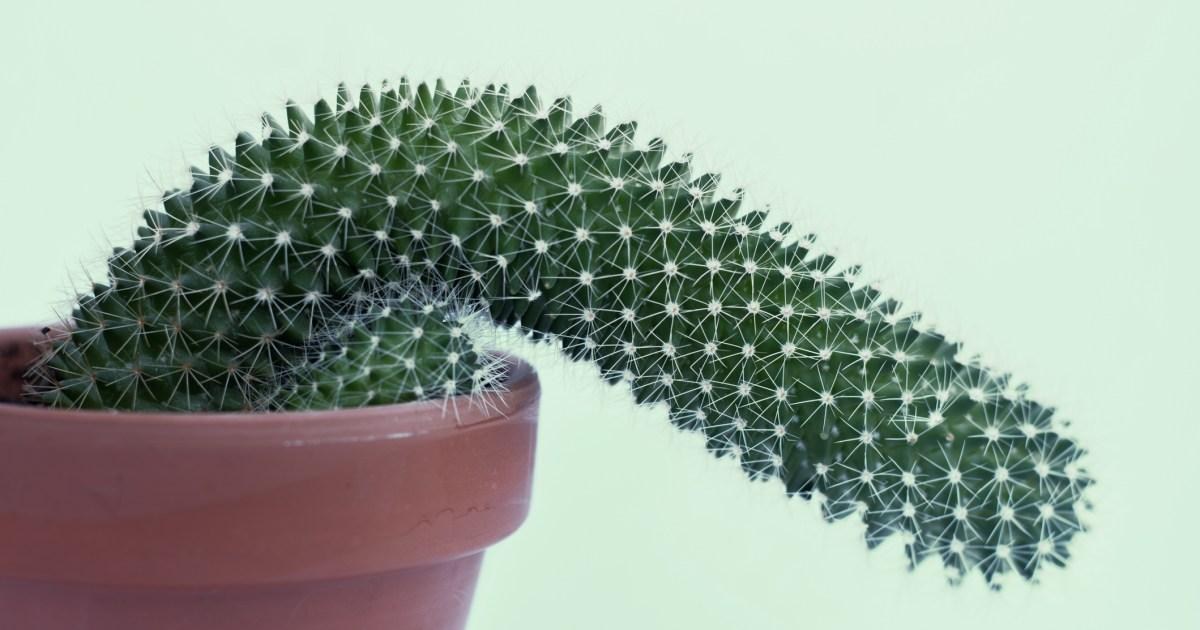
This is how many times a week men should get morning erections, according to age
Full Article
Original Source
Read the full article at Metro →KhanList aggregates and links to publicly available news content. We do not host full articles from third-party sources. Always verify important information with original sources.