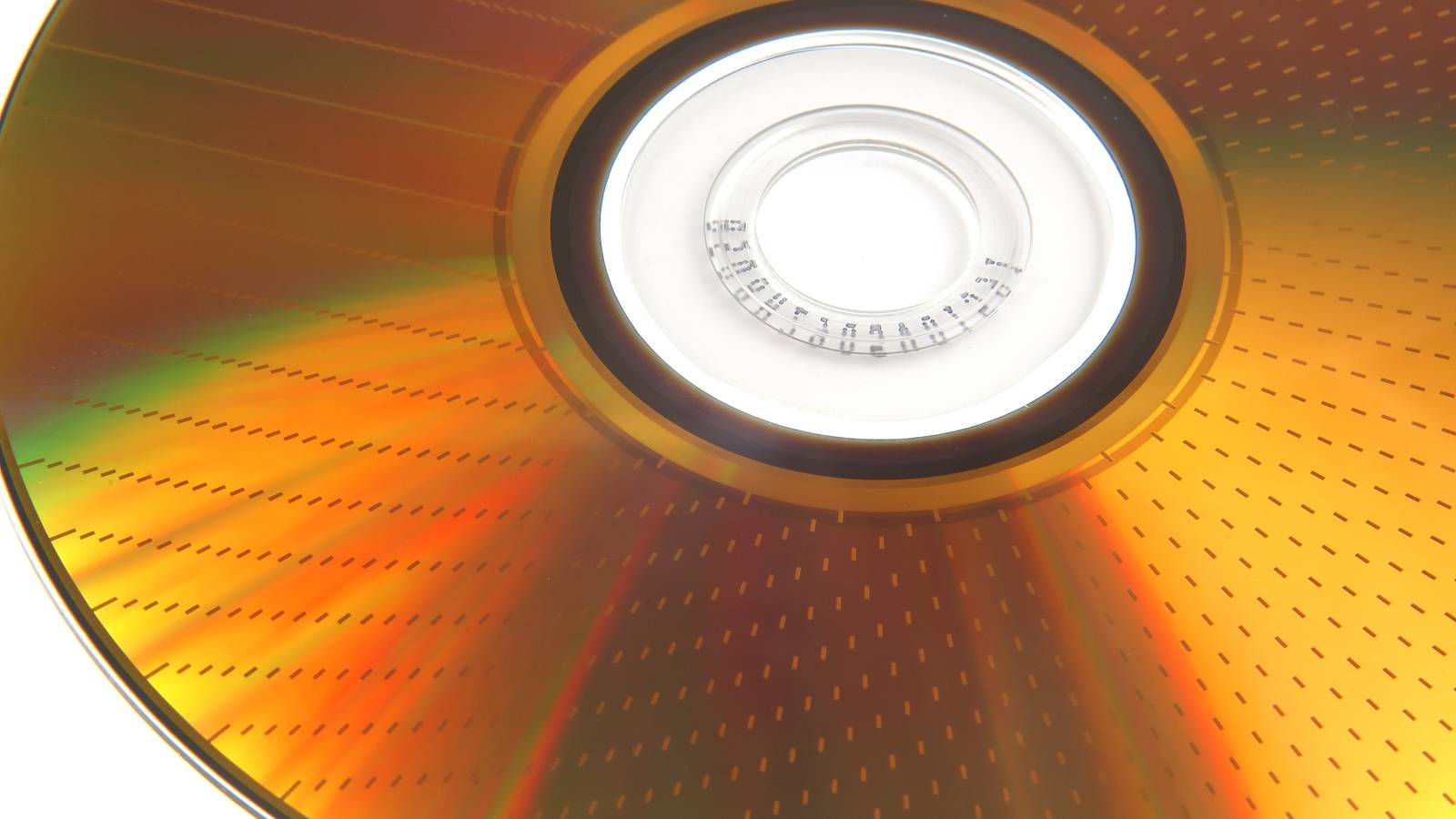
Published Jul 18, 2026, 11:00 AM EDT Sydney Butler is a technology writer with over 20 years of experience as a freelance PC technician and system builder and over a decade as a professional writer. He's worked for more than a decade in user education. On How-To Geek, he writes commerce content, guides, opinions, and specializes in editing hardware and cutting edge technology articles. Sydney started working as a freelance computer technician around the age of 13, before which he was in charge of running the computer center for his school. (He also ran LAN gaming tournaments when the teachers weren't looking!) His interests include VR, PC, Mac, gaming, 3D printing, consumer electronics, the web, and privacy. He holds a Master of Arts degree in Research Psychology with a minor in media and technology studies. His masters dissertation examined the potential for social media to spread misinformation. Outside of How-To Geek, he hosts the Online Tech Tips YouTube Channel, and writes for Online Tech Tips, Switching to Mac, and Helpdesk Geek. Sydney also writes for Expert Reviews UK. He also has bylines at 9to5Mac, 9to5Google, 9to5Toys, Tom's Hardware, MakeTechEasier, and Laptop Mag. Back in 1997, a few years after video game consoles and computers had fully embraced CD-ROM technology, a new optical format standard known as DVD-RAM was finalized. By 1998, the drives and discs were available to buy, offering many times the space of a CD. Not only that, but data could be written and rewritten over and over again, with a disc that acted more like a hard drive than the writable DVDs we know today. It seemed like this would quickly dominate removable storage, yet chances are you've probably never encountered a DVD-RAM disc in real life. So what happened? DVD-RAM wasn't just another recordable DVD It almost seems like magic If you've ever burned a DVD, even a rewritable one, you know the process. You create a list of files that need to be burned onto the disc, and then the data is etched into the ink layer in one continuous operation. A standard DVD-R is a WORM (Write Once Read Many) disc. Although DVD-RW could be rewritten, it was generally used through traditional disc-authoring software rather than as a true drag-and-drop storage device. As the name suggests, DVD-RAM doesn't work like that at all. The disc is divided into sectors in a similar way to a hard drive platter, and you can even see the index marks with the naked eye if you look at the disc surface. So, instead of being Read-Only Memory (ROM), it's Random-Access Memory (RAM), letting you mount and treat these discs pretty much the same way a floppy or hard drive would work. Just don't confuse it with DDR RAM. DVD-RAM discs also had strong verification technology built in, to ensure that what was just written onto the disc could be read correctly. They are also highly-robust, rated for 100,000 rewrite cycles, compared to the roughly 1000 cycles a DVD-RW can handle. Because you could mount these discs with a file system like UDF or FAT32, you didn't need special burning software to use them. Your OS just sees the disc as a removable drive. It solved problems that other DVDs couldn't A comfortable niche Credit: Sydney Louw Butler/How-To Geek It seemed like DVD-RAM was the perfect solution for incremental backups, or storing media files that didn't have to be permanently stored. Keep in mind that when DVD-RAM was launched, a typical home PC might have a hard drive that was under 1GB if it was older, or maybe between 4–8 GB if it was pretty new. So a disc that could hold 4.7GB on a single side or 2.6GB per side for the smaller DVD-RAM format was a big deal. DVD-RAM also found a good niche in standalone DVRs. If you think about it, hard drives were super-expensive, and you would be limited to whatever capacity was installed. DVD-RAM was perfect for recording random shows as you needed them, and you could easily just swap discs instead of erasing content you wanted to keep. Likewise, some camcorders went with DVD-RAM instead of tape. Seagate Expansion 6TB External Hard Drive HDD Storage Capacity 6TB Brand Seagate The Seagate Expansion 6TB external hard drive is an excellent starting point if you are building a laptop NAS, offering plenty of capacity for backups and media. It is affordable, easy to set up, and fast enough over USB 3.0 for most home server use cases. But it wasn't very compatible and it wasn't cheap A double blow to success Credit: Lucas Gouveia/How-To Geek | Roman Samborskyi/Shutterstock The big issue that did a lot to sink this format was compatibility. Early DVD drives generally supported DVD-ROMs and, eventually, DVD-R and DVD-RW discs, but DVD-RAM required dedicated hardware. If your computer or DVD player lacked DVD-RAM support, the disc might as well have been blank plastic. Then there was the issue of the cartridge-based discs and the bare disc format. Some drives can only accept one or the other. So DVD-RAM was a great solution, as long as you only ever used the discs on your own computer and never tried to share them. Meanwhile, DVD-R and DVD+R were becoming the de facto standards for home users. Almost every DVD player could read them, and almost every PC manufacturer eventually included compatible drives. There were some compatibility issues in the early days between those as well, but it was sorted rapidly. The second killer problem was price. While DVD-RAM discs were decent value when it came to the price per GB, the upfront cost of a DVD-RAM drive could be anywhere from $400–$800, and that's 1998 dollars we're talking about here! Hard drives got better at exactly the wrong time When DVD-RAM debuted, hard drives were incredibly expensive per GB, so the need for external storage was quite strong. Once the price per-GB started to collapse in the early 2000s, it just started making less and less sense to invest in DVD-RAM. Despite its weak adoption, Panasonic only stopped making DVD-RAM media in 2019. If DVD-RAM drive prices had come down just a little faster, or if the "SuperMulti" drives that could handle all DVD formats came in sooner, we might have a totally different timeline today, but sadly, for the DVD-RAM format, hard drive technology rapidly outpaced it and is still going strong today.
This forgotten 90s DVD format was supposed to change storage forever
Full Article
Original Source
Read the full article at Howtogeek →KhanList aggregates and links to publicly available news content. We do not host full articles from third-party sources. Always verify important information with original sources.