
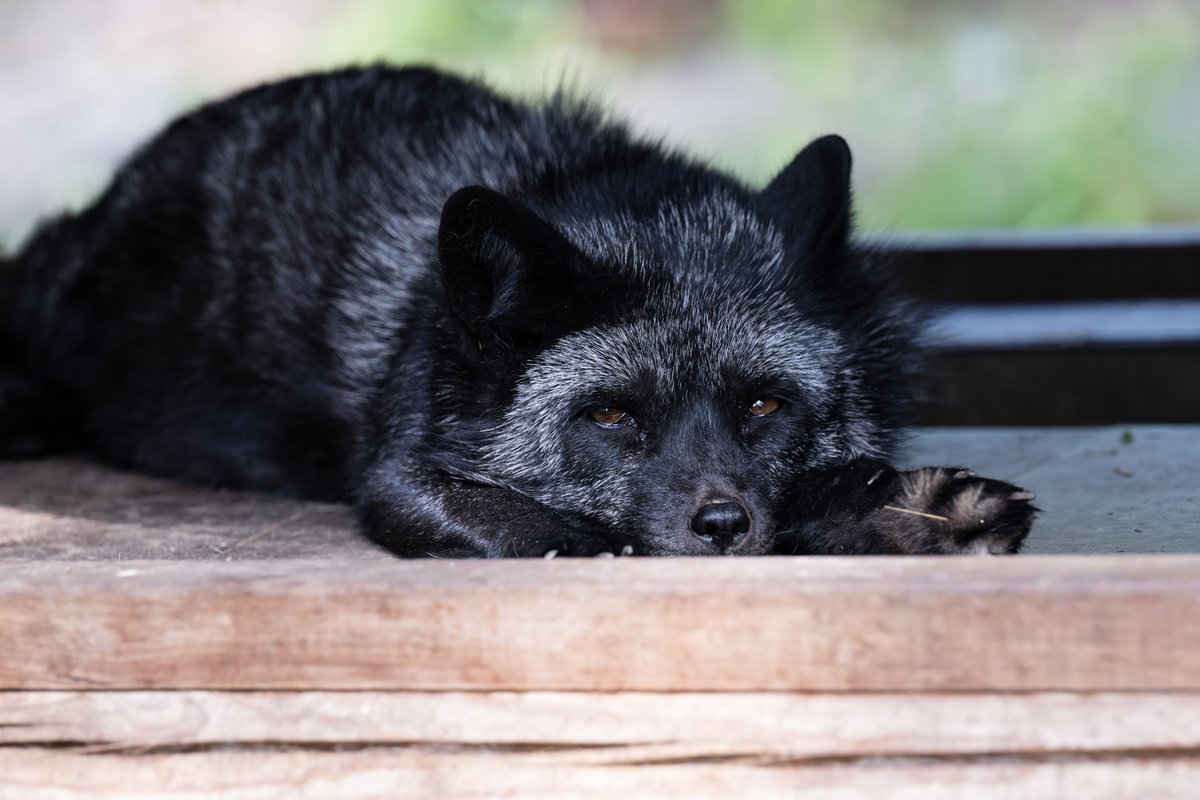
November 6, 20262 min read Add Us On GoogleAdd SciAmUsing data from a 1950s Russian experiment, researchers are getting “to the heart of brain programming” in foxesDomesticated Silver Fox Experiment, which started in 1959, is still breeding tame foxes. Tanya_Terekhina via ShutterstockIn the 1950s Russian researchers embarked on an ambitious experiment: they wanted to see if foxes could be selectively bred to become domesticated, doglike animals, complete with wagging tails and affectionate natures. Now, close to 70 years into this long-running breeding project, scientists have pinpointed a specific type of brain cell linked with changes in the foxes’ behavior.Specifically, the scientists found that a receptor protein in the ventromedial hypothalamus may form the basis for the foxes’ social behavior. This brain area is known to be involved in fear and defense responses and aggression.The research “gets to the heart of brain programming” in animals, says Cheryl Rosenfeld, a neuroscientist at the University of Missouri, who was not involved in the study.On supporting science journalismIf you're enjoying this article, consider supporting our award-winning journalism by subscribing. By purchasing a subscription you are helping to ensure the future of impactful stories about the discoveries and ideas shaping our world today.“If this can happen in foxes, it could also mean that, by altering the hormone profile or the receptor profile in us and even other species, it could change our patterns of behavior and last a lifetime,” Rosenfeld says.Eirene Markenscoff-Papadimitriou is the study’s senior author and a molecular biologist at Cornell University. She calls herself an “accidental fox scientist.” Markenscoff-Papadimitriou primarily studies neuroscience in mice, but in 2023 she started looking into the Domesticated Silver Fox Experiment. The project, started in 1959 by a group of Russian researchers, selectively bred the tamest silver foxes.After just a few generations, the foxes began to look and act more domesticated, with floppy ears, curly tails and an eagerness for human attention and love. The experiment is still going and is a model of the power of selective breeding. Markenscoff-Papadimitriou’s team wanted to know what was happening to the foxes’ brains.The team compared the brains of three categories of farm-bred foxes—tame, aggressive and wild—with a special focus on the ventromedial hypothalamus, a brain region that’s been linked to aggressive behaviors in mice. In previous studies, scientists had found that when a receptor protein called estrogen receptor alpha was activated, the mice were more aggressive. In the new study, published on November 2 in Current Biology, Markenscoff-Papadimitriou and her team found that the tame foxes had notably fewer of the estrogen receptor alpha neurons than the aggressive or conventional foxes.Markenscoff-Papadimitriou says this experiment made her a “convert” to researching other animals beyond mice.“This showed me that we should be ambitious and follow our curiosity and that the tools that have been developed for just one species can be applied to others,” she says.Both Markenscoff-Papadimitriou and Rosenfeld say they’re curious if the same neuron determines social behavior in other animals, such as dogs and wolves. Now that the researchers know how the tame foxes’ brains are different from their more aggressive peers, they’re asking why and how that happens.“How are the genetic differences of these different foxes leading to differences in the cell type composition of this brain region throughout development?” Markenscoff-Papadimitriou says. “It’s a puzzle to solve, but now we know what we need to solve.”Subscribe to Support Independent JournalismGreat science journalism requires human expertise, time, effort and creativity. And it costs money. That’s why I and the journalists here at Scientific American hope you’ll join our community.When you subscribe, you are supporting staff and freelance journalists who are passionate about telling science stories that are true, important and compelling. Our editors and reporters are often experts in their fields, which means they understand the nuances of big discoveries and can untangle the breakthroughs from the hype. With a subscription, you are also supporting rigorous fact-checking to ensure the words we publish are precise and accurate. And you’re supporting original illustrations, graphics and photos that bring you closer to an advanced laboratory, an ice sheet in Antarctica or a space mission in orbit. You’re helping us craft other types of high-quality journalism as well: Our newsletters are carefully written, edited and curated by staffers you have or will come to know and love. Our Science Quickly podcast is based on original reporting, collaboration with editors and scientists and exacting production.Subscriptions keep this engine running so we can continue to deliver thoughtful, rigorous and independent science journalism to you. In an era of viral misinformation, this work is crucial. If you value what we do, I hope you’ll consider joining us as a subscriber
This brain change can make foxes act like pet dogs
Full Article
Original Source
Read the full article at Scientificamerican →KhanList aggregates and links to publicly available news content. We do not host full articles from third-party sources. Always verify important information with original sources.