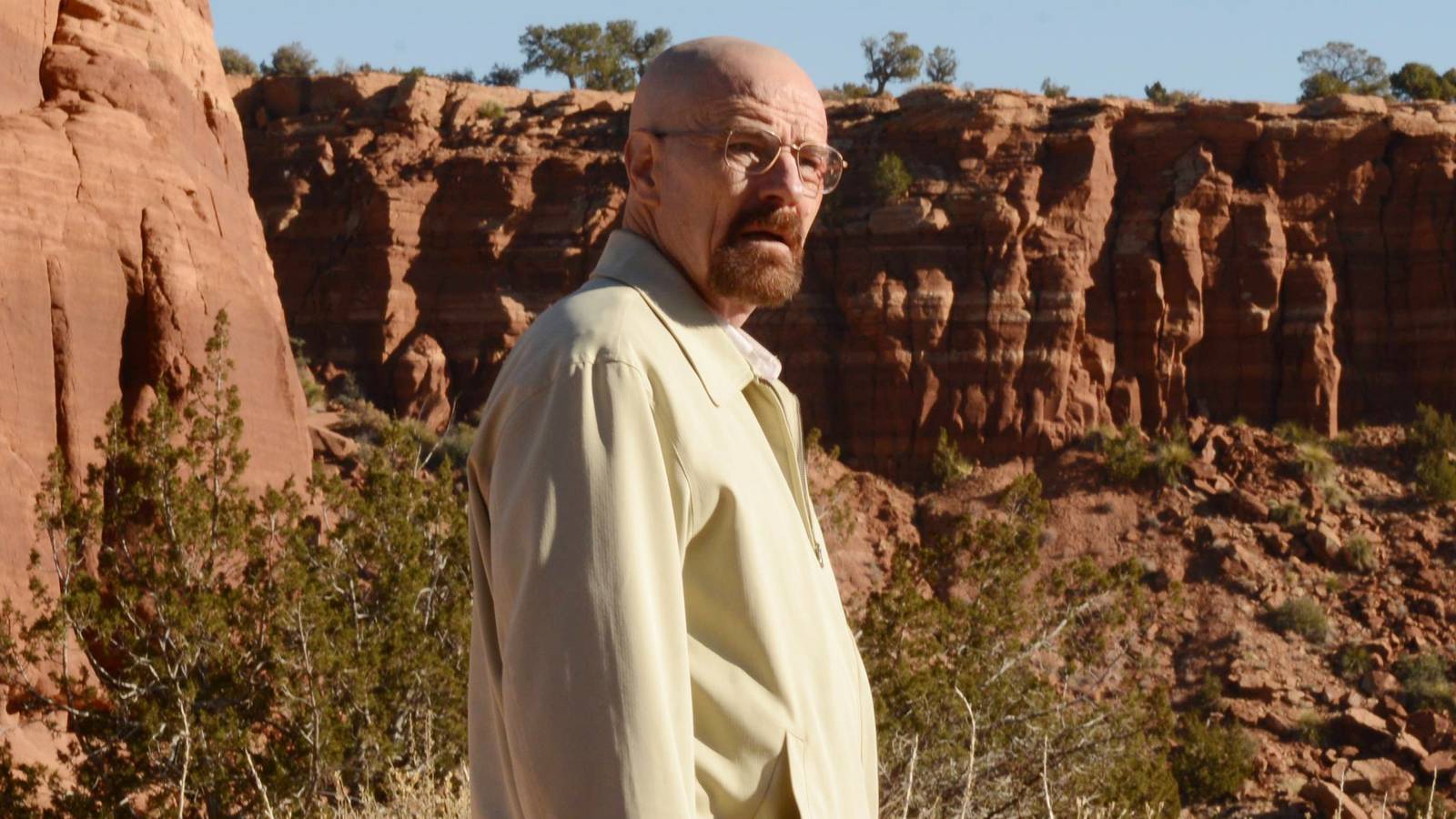
Published Jul 23, 2026, 4:07 PM EDT Amanda M. Castro is a Network TV writer at Collider and a New York–based journalist whose work has appeared in Newsweek, where she is an Associate Editor, and The U.S. Sun, where she previously served as a Senior Consumer Reporter. She specializes in network television coverage, delivering sharp, thoughtful analysis of long-running procedural hits and ambitious new dramas across broadcast TV. At Collider, Amanda explores character arcs, storytelling trends, and the cultural impact of network series that keep audiences tuning in week after week. Born and raised in Puerto Rico, Amanda is bilingual and holds a degree in Communication, Film, and Media Studies from the University of New Haven. Comparisons to Breaking Bad are already regarded as an achievement for many TV shows. If a show surpasses Breaking Bad’s original success, it seems nearly impossible to accomplish; nevertheless, Better Call Saul did. While the prequel by Vince Gilligan and Peter Gould was unable to replicate its predecessor’s iconic status, it achieved an impressive result in the final critics’ score, putting the preceding series far behind. The tiny gap doesn’t settle the endless debate over which series is objectively better. What it does show, however, is just how extraordinary Better Call Saul became. What began as a prequel centered on comic-relief lawyer Saul Goodman (Bob Odenkirk) evolved into one of television’s richest character studies, proving that a slower pace, quieter storytelling, and deeper emotional investment could be just as gripping as explosions, shootouts, and drug empire power struggles. ‘Better Call Saul’ Turned a Fan-Favorite Side Character Into Television’s Greatest Tragedy When Breaking Bad introduced Saul, he was the guy guilty people called when everything had already gone wrong. Loud suits, questionable morals, and endless wisecracks made him an unforgettable supporting player, but few imagined he could anchor an entire series. Instead of simply giving audiences more Saul, Better Call Saul peeled back the layers to reveal Jimmy McGill, a struggling attorney desperately trying to outrun the reputation of his past. The series follows his gradual transformation from earnest public defender into the morally compromised criminal lawyer audiences already knew, but every setback, betrayal, compromise, and shortcut feels like another small step toward a future viewers desperately hope he’ll avoid, even though they already know where the road leads. That tragic inevitability is what separates Jimmy McGill from Walter White (Bryan Cranston). Breaking Bad chronicled a chemistry teacher embracing the darkness within himself, whereas Better Call Saul asks whether Jimmy was ever truly allowed to become the man he wanted to be. His toxic relationship with his older brother Chuck (Michael McKean), his complicated romance with Kim Wexler (Rhea Seehorn), and his repeated attempts to do the right thing make his eventual transformation feel heartbreaking rather than shocking. The Show Perfected Everything ‘Breaking Bad’ Started Image via AMC, Everett Collection People have noted the slow pace of Better Call Saul as the most severe criticism in its initial seasons. While viewers sought another captivating crime thriller, all they got were courtroom discussions, legal cases involving the elderly, sibling conflicts, and a focus on detailed characterization rather than violent scenes with the drug cartel. Rather than rushing toward the version of Saul audiences recognized, the series trusted viewers to invest in the people behind the mythology. Jimmy and Kim’s relationship gradually became the emotional heart of the show, while Chuck evolved into one of television’s most compelling tragic antagonists. Meanwhile, Mike Ehrmantraut (Jonathan Banks), Gus Fring (Giancarlo Esposito), Nacho Varga (Michael Mando), and Lalo Salamanca (Tony Dalton) expanded the criminal underworld without ever feeling like obligatory fan service. The result is a series where nearly every storyline feeds into another. Earlier seasons reveal themselves on rewatch as careful foundations for devastating emotional payoffs years later. It’s one reason so many fans who initially preferred Breaking Bad have revisited Better Call Saul and come away viewing it differently. ‘Better Call Saul’ Is One of Television’s Most Beautifully Directed Series Image via AMC The writing rightly gets the maximum attention, but Better Call Saul's visuals may be even more impressive. Gilligan, Gould, and the directors use calculated compositions, effective colors, and long sequences in which the narration does not interfere with the audience's absorption of impressions. Their brilliance becomes evident while doing mundane things like making coffee, working on legal papers, building meth labs, or just smoking. Instead of treating silence as empty space, Better Call Saul lets it carry dramatic weight. That meticulous filmmaking extends to Odenkirk’s remarkably restrained performance. Jimmy rarely announces what he’s feeling; instead, guilt, hope, shame, and self-deception play across tiny expressions that reward close attention. Seehorn matches him beat for beat, delivering one of television’s finest performances as Kim Wexler, whose emotional journey ultimately becomes just as devastating as Jimmy’s. A 98% versus 96% Rotten Tomatoes score isn’t proof that Better Call Saul is objectively better than Breaking Bad. Television doesn’t work that way, and both belong comfortably among the greatest dramas ever produced. What the ratings do reflect is something many critics and longtime fans recognized as the series progressed: the creative team refined Breaking Bad's magic. Among the crime thrillers television has ever produced, Breaking Bad remains number one for its intense sequences and the astonishing evolution of Walter White into a villain. Better Call Saul, on the other hand, takes an alternative approach to psychological load, engaging the audience to ponder the horrors of human emotions rather than to search for the incredible unfolding of plot twists.
This 6-Part Crime Drama Masterpiece Quietly Outperformed AMC’s ‘Breaking Bad’
Full Article
Original Source
Read the full article at Collider →KhanList aggregates and links to publicly available news content. We do not host full articles from third-party sources. Always verify important information with original sources.