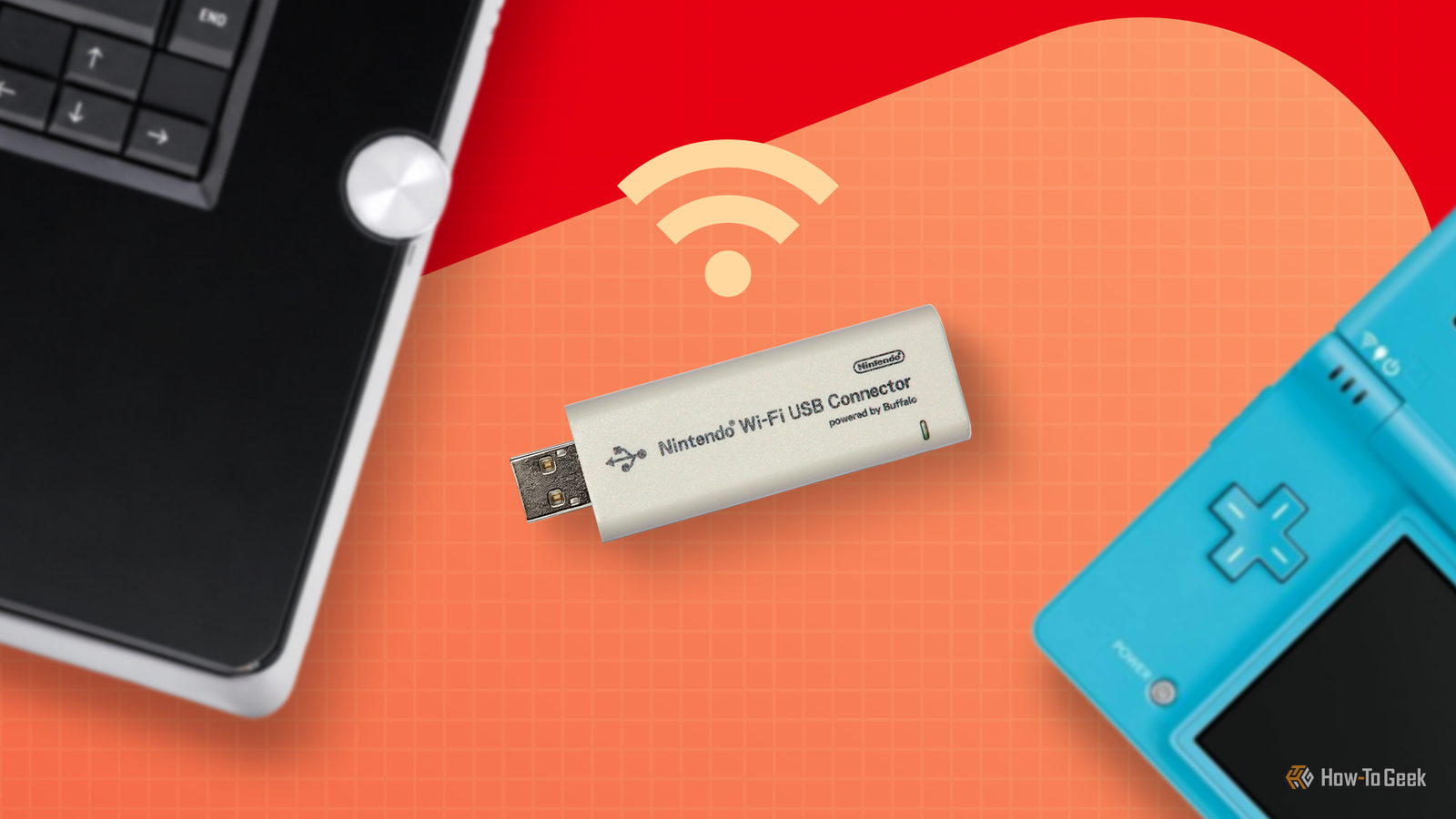
Published Aug 7, 2026, 10:00 AM EDT Aggy is a veteran writer and editor in the technology and gaming space. Having served as a Managing Editor for high-traffic digital publications, alongside being an editor and consultant for over a dozen sites. Aggy's published work spans a wide and respected array of tech and gaming outlets, including WePC, Screen Rant, How-To Geek, Android Police, PC Invasion, and Try Hard Guides. Beyond editorial work, Aggy's direct experience in the tech sphere extends to app development. Aggy has published two games under Tales and is always eager to learn and do more. He also likes working on computers and researching in his spare time. He knows about Windows, Linux, Audio, Video, and much more. Home internet in the new millennium was still on the road to regular internet use. Wi-Fi existed, but routers were expensive and confusing enough that most families never bothered. When Nintendo launched its online service for the DS, the company needed a way to give everyone the internet. Luckily, the company made a USB that was pretty revolutionary and cheap enough to be common. Getting online was a pain back in 2005 A cheap USB stick solved a big connection problem Credit: Image by Evan-Amos, Public domain through Wikimedia Commons. When the Nintendo Wi-Fi USB Connector came out in November 2005, home internet was in a weird in-between place. A lot of households were still on dial-up, and even the ones that had made the jump to broadband usually had it running to a single desktop PC plugged directly into a modem. I was in one of the houses that had just got a modem, and it was like magic. Wi-Fi was not common and so unknown that I felt like I was looking at the future when I saw it. Wi-Fi routers existed, but they were expensive and nowhere near as good as they are today. Setting one up meant digging through menus full of network jargon that most people had no interest in learning. Wireless home networking just wasn't a normal thing yet. Nintendo launched its free online service, the Nintendo Wi-Fi Connection and released Mario Kart DS. The idea was to let Nintendo DS players compete against each other online from anywhere in the world, but there was a real problem standing in the way. The DS used an older, less secure form of Wi-Fi encryption called WEP, and a lot of newer home routers had already moved past it to stronger security standards. The two didn't play well together, which meant a huge chunk of potential players couldn't connect even if they wanted to. Nintendo's solution was a small USB dongle called the NTR-010 that plugged straight into a Windows XP computer. It was really simple to use when I was 10 years old, and even my younger nephew and I could set it up. I can't confirm the launch price, but I do remember it was around $35, and others agree. This was a definite steal at the time. For a lot of people, this little USB stick was their first real experience with Wi-Fi gaming. It was so popular that people still tried to use it in the current decade. The adapter turned your computer into a hotspot You could play online without buying a router Once you inserted the software disc into a Windows XP computer with a broadband connection and ran the installer, the Nintendo Wi-Fi USB Connector did its job. Nintendo was able to get it to become a Host AP. Basically, it turned your desktop PC into its own wireless hotspot, which was pretty smart. It borrowed Windows' built-in Internet Connection Sharing feature to pull that off. Your wired Ethernet connection became the path to the internet, and the USB dongle became the local broadcast point, putting out its own network name like any router would. So DS owners could get online without ever buying a wireless router. I remember that I even used this on my nephew's Wii when it came out too. Looking back, we were probably seeing one of the most advanced Wi-Fi enablers at the time. You'd search for a connection on your DS, a little notification would pop up in the Windows system tray, you'd click allow, and that was it. The software logged your console's MAC address, so only your device could use it, and you were online. Before this, multiplayer meant a link cable or sitting close enough to someone for a local wireless signal to reach. With the adapter running on a nearby PC, you were suddenly playing against people anywhere in the world. While you could get the idea of using this instead of a real router, that wouldn't work. I had tried it as a kid and can confirm that it did not work for any devices that were not Nintendo-licensed. So I only got it to work for the Wii and the DS. This could have been a really cool way. Nintendo basically pioneered hotspots, but that's not how history played out. The stick had plenty of annoying problems It got a whole generation online anyway Credit: Patrick Campanale / How-To Geek Turning your PC into a hotspot was a cool trick, but it wasn't perfect. The Nintendo Wi-Fi USB Connector had so many issues, especially if you had cheap internet like I did. The first real issue was that the software and its specialized drivers were built around Windows XP and pretty much nothing else. Mac users were completely out of the picture, and even people running Windows 2000 or Windows Vista were left without official support for a long time. I actually remember when we got to Vista; this was one of the many problems my family had with it. On top of that, because the device leaned entirely on the host computer's processor to handle its routing, anything that suddenly messed with the CPU, like a program kicking off in the background, could cause the connection to stutter or drop altogether. That was the most annoying part because we had antivirus software and that always knocked us out of games for some reason. If you had lame internet, you'd also face problems, but that's an issue today too. It's essentially the same: it lagged, you get kicked out, and it sometimes wouldn't work at all. This was a revolutionary product The adapter was never a perfect product, but it's obvious why. This was specifically for DS users who happened to use Windows XP, which was very common at the time. Still, for what it was meant to do, it worked well enough to matter. It got a generation of DS and Wii owners online without asking them to buy a router or learn anything about networking. I still wish I could capture the feeling of playing online for the first time like I did when I had a DS with my nephew.
This 21-year-old USB adapter was my first introduction to Wi-Fi, and it may have been yours, too
Full Article
Original Source
Read the full article at Howtogeek →KhanList aggregates and links to publicly available news content. We do not host full articles from third-party sources. Always verify important information with original sources.