
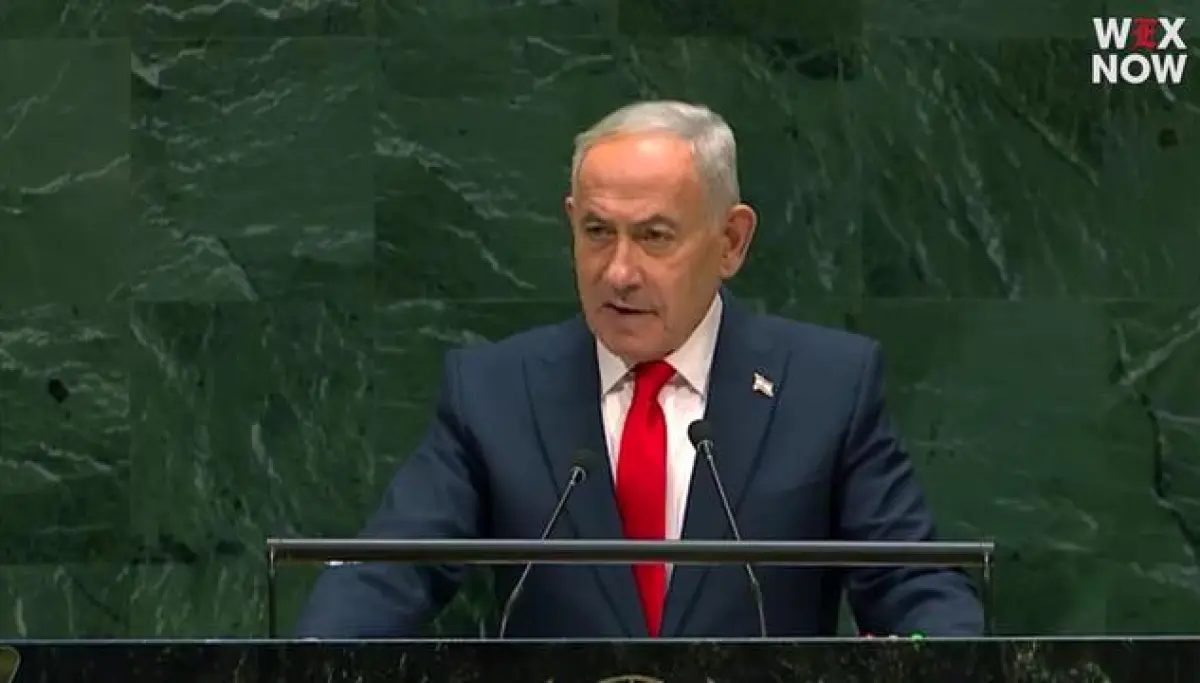
As Israeli Prime Minister Benjamin Netanyahu addressed the United Nations General Assembly, diplomats rose from their seats and headed for the exits. The intended image was unmistakable: Israel was made to appear as though it stood alone, rejected by the world.We should not accept that image at face value. THEY THANKED ISRAEL IN PRIVATE. THEN THEY STAGED A UN WALKOUTA dramatic walkout makes compelling footage. It does not measure the strength of Israel’s relationships, the number of countries willing to engage privately, or the diplomatic work continuing after the cameras move on.Speaking with me following Netanyahu’s address, Danny Danon, Israel’s ambassador to the United Nations, offered a very different account of what happened inside the General Assembly.“We counted the numbers, and more than 100 delegations stayed in the room,” Danon told me.He described the walkout as staged by countries that brought additional staff members into the chamber so their eventual exit would appear larger.“They had six or seven people sitting in the room in order for them to leave,” Danon said, pointing to delegations including Libya, Tunisia, and Algeria. “When they walk out, it will look like a lot of people are walking out.”The walkout should therefore be understood for what it was: political theater designed to manufacture an image of Israeli isolation.The more meaningful story unfolded outside that frame.Netanyahu met with seven heads of state during an effective diplomatic week, according to Danon. Israel’s representatives also held quiet conversations with key stakeholders about regional challenges and possible next steps.“We were able to learn and also to send messages regarding the next steps,” Danon said.That is the diplomacy I believe deserves far more attention.International relationships are built through repeated conversations, shared initiatives, and officials willing to remain engaged when public pressure rewards distance.Danon understands this. His approach is not to withdraw from an institution that often treats Israel unfairly. It is to make Israel impossible to exclude from its work.“We go to many events, we collaborate, we participate in many initiatives, multilateral initiatives, and we are a very active member state in the halls of the U.N.,” he said. “That’s my approach, to be everywhere, take part in many events.”That is exactly the posture Israel needs.Israel cannot allow its critics to become the only people shaping international opinion. It must enter every room available to it, confront false narratives, and build relationships long before a crisis forces countries to choose where they stand.Danon’s work beyond the cameras matters because partnerships shape perception. A country that knows Israel only through condemnatory resolutions will view it differently from one whose diplomats have collaborated with Israeli representatives, heard their concerns directly, and developed trust over time.Danon rejected the claim that Israel has been left without friends.“I beg to differ with that, because we have a lot of friends,” he said.He pointed to what he described as encouraging support across Latin America, with Brazil as the notable exception. He also expressed optimism about Venezuela following a positive meeting with its ambassador to the United Nations.“I think we can continue to do that,” Danon said.The comment may sound modest, yet it reflects how diplomacy often works. Progress does not always begin with a grand announcement. It can begin with one meeting, one channel of communication, or a willingness to speak with a representative others might have written off.Danon deserves credit for pursuing those openings rather than allowing hostility to dictate the limits of Israel’s engagement.Israel undoubtedly faces serious diplomatic challenges. Organized campaigns seek to delegitimize it. Some governments find it easier to condemn Israel than confront far more destructive forces. Pretending otherwise would weaken the argument rather than strengthen it.The answer to that hostility, however, is not retreat. It is more engagement, better messaging, and stronger relationships.Danon described himself as “very optimistic about the standing of Israel,” adding that he believes the country will return to where it stood before this period of heightened international hostility.Israel’s critics wanted the world to see an abandoned room. Danon offered the fuller picture: More than 100 delegations remained, Netanyahu held meetings with seven heads of state, and Israeli diplomats continued working throughout the building.The walkout may have produced the week’s most dramatic footage. It did not define the week, and it does not define Israel’s place in the world.Danon’s work represents the diplomacy Israel needs most: proud, persistent, and focused on turning conversations into lasting partnerships. While others staged their exit, he continued building relationships.‘OCT. 7 WAS HORRIFIC, BUT…’: WHY THE UN WALKED OUT BEFORE NETANYAHU SAID A WORDInternational opinion is not shaped by one speech, one protest, or one photograph. It is shaped by the patient work of showing up, challenging false narratives, and building trust.Israel was not isolated. It was present, engaged, heard, and moving forward. Danon is not merely responding to world opinion. Through determined diplomacy and the partnerships he continues to build, he is helping change it.Ariella Noveck is a journalist specializing in antisemitism and Middle East affairs, with extensive experience covering Jewish communities worldwide. She can be followed on X and Instagram @AriellaNoveck
They padded the seats just to exit: The manufactured isolation of Israel
Full Article
Original Source
Read the full article at Washingtonexaminer →KhanList aggregates and links to publicly available news content. We do not host full articles from third-party sources. Always verify important information with original sources.