
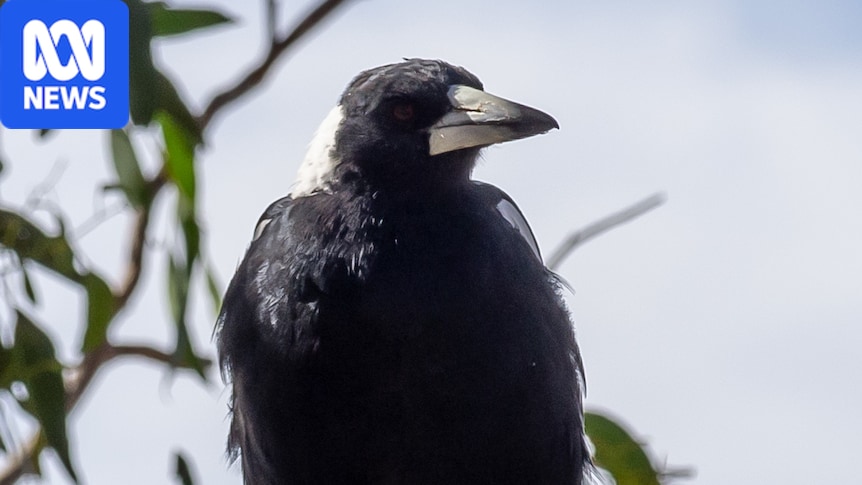
Bird flu has quickly spread around Australia since it was first detected in mid-June.As predicted, it spread from Antarctica to offshore Australia and then from beaches to inland waterways.As of late August there are more than 350 confirmed events of bird flu, including several mass mortalities.But hidden in the numbers are more than 20 distinct species of animal that have fallen to the disease.According to Rachael Gray, a veterinary pathology researcher at the University of Sydney who has worked with the seals for decades, looking to the global environmental picture, what is happening "is quite frightening"."It's pretty overwhelming at the moment," she said."These animals, who we very much love and admire and respect … these animals are getting sick, they are suffering and then they are dying."So, which species have been infected so far and will vaccination be able to slow the spread?Which animals have been affected?MammalsOne of the most concerning aspects of H5 bird flu has been its ability to infect a broad range of mammal species. Long-nosed fur sealRead more Common dolphinRead more Australian birdsA range of coastal and urban birds have been confirmed by CSIRO to be infected with the virus. There are also other birds suspected to have died from H5.Greater crested ternRead more Silver gullRead more Pacific gullRead more Black-faced cormorantRead more Little penguinRead more Australasian gannetRead more MagpieRead more RavensRead more Peregrine falconRead more Southern boobookRead more Migratory seabirdsThe first cases of H5 in Australia were detected in seabirds which migrated in winter from the faraway subantarctic Australian territory of Heard Island and McDonald Islands.The virus has also been detected in species that travel between Australia and New Zealand.Brown skuaRead more Giant petrelsRead more White-headed petrelRead more White-fronted ternRead more Fluttering shearwaterRead more Hutton's shearwaterRead more Can wild birds be vaccinated?It's "nearly impossible" to vaccinate most wild birds, according to Julie Old, a native Australian animal researcher at Western Sydney University."They're hard to catch, they fly long distances, and the vaccines that we've got need at least two injections about three to four weeks apart."Currently little penguins on Victoria's Phillip Island and St Kilda are the only wild species targeted for vaccination, with aims to capture and jab 5,000 of the 40,000 penguins in the area.But while the little penguins are wild, they return to the same spot each night, and as they don't fly, they are relatively easy to catch.Catching other species of birds may be impossible, or difficult and stressful for the animal, according to Michelle Campbell-Ward, a wildlife veterinarian at the University of Sydney."It can cause other risks to their health or wellbeing. That has to be factored in and planned extremely carefully," Dr Campbell-Ward said.Can mammals be vaccinated?Unlike birds, there is no commercially available mammalian vaccine for animals like seals, Dr Gray said.There have been some small overseas trials that used a vaccine that is modified for cattle in northern elephant seals."[Three seals] received the vaccination and three were controls, and they were able to show that there was an immune response to the vaccine, which is great.""But the logistics and the practicalities … to actually implement a vaccination rollout is really challenging in free-ranging populations."CSIRO said there were no specific plans yet to vaccinate pinniped animals such as sea lions and seals, which are some of Australia's highest-risk species.There is very little understanding of how H5 may affect Australian mammals, including scavenger species like Tasmanian devils and dingoes.Vaccination is only one tool and is "by no means a silver bullet," Dr Campbell-Ward said.Similar to the human influenza vaccine, it is protective, but doesn't stop infection. It also needs to be regularly updated as the virus mutates."We need to be focusing on surveillance so we know where the disease is," Dr Campbell-Ward said."That is, by far, the most important thing for very highly vulnerable and susceptible populations."
These are the animals bird flu has already hit in Australia
Full Article
Original Source
Read the full article at Abc →KhanList aggregates and links to publicly available news content. We do not host full articles from third-party sources. Always verify important information with original sources.