
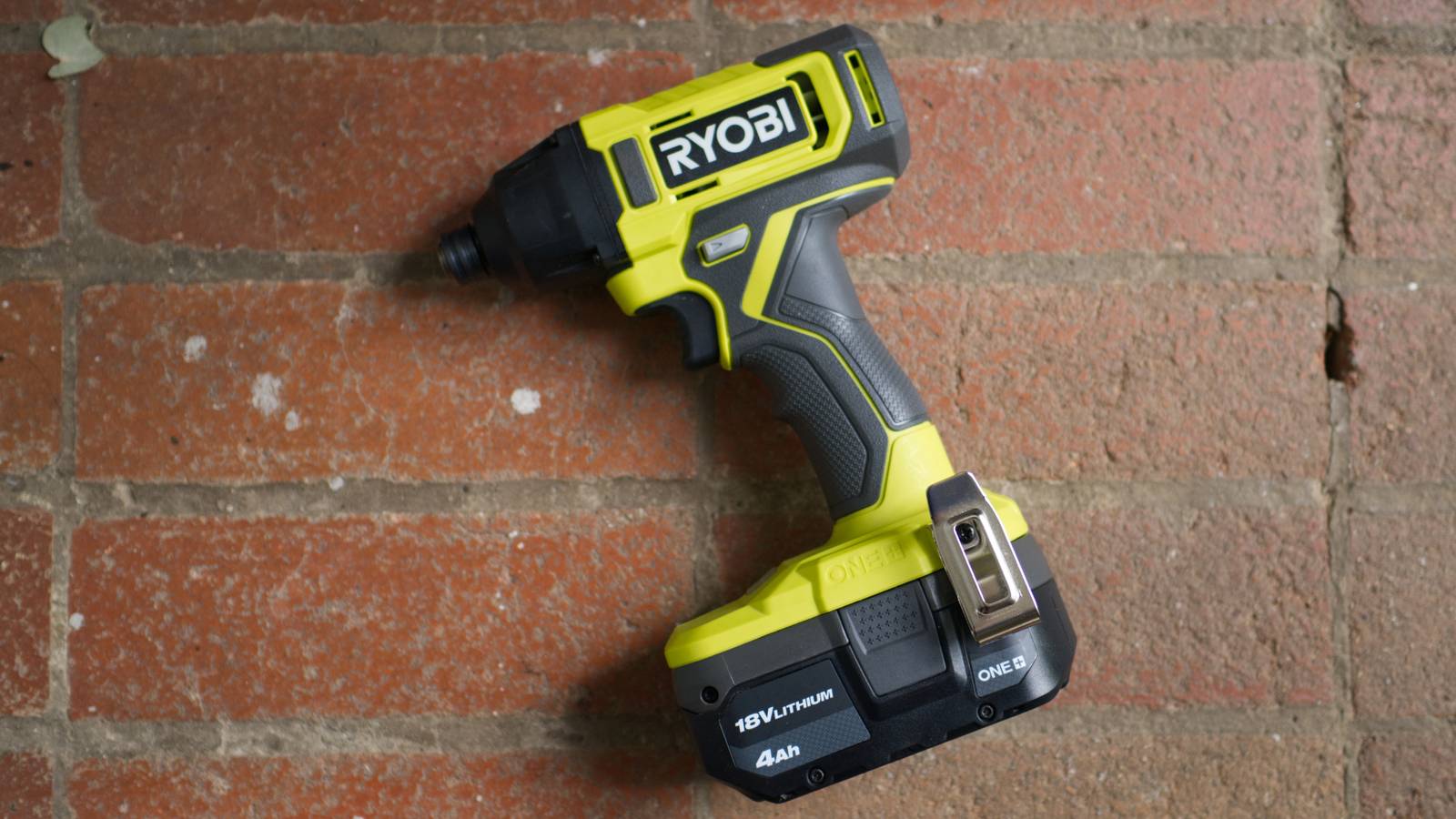
Published Oct 18, 2026, 6:00 AM EDT Tim has been covering technology for almost 20 years, in that time spanning a broad range of topics from security to product reviews. He is especially focused on the Apple ecosystem, productivity, and consumer advice. Over the years Tim has written thousands of articles, reviews, and round-ups in addition to producing video content and original photography. A graduate of journalism, he found his footing as a freelancer with a laptop and loves how he is able to work from practically anywhere. Now a Senior Editor for iPhone, Mac, and Smart Home at How-To Geek, Tim still loves to write. He can also be found crafting round-ups and productivity posts for the Zapier blog. Earlier in his career Tim spent nearly a decade as a writer and eventually Apple section editor for MakeUseOf. Tim currently lives in Brisbane, Australia. Outside of work he loves to hike and work out, play video games, and spend quality time with his wonderful partner and two cats Inka and Roger. Ryobi tools strike a balance between cost and competence that weekend warriors love. That said, they’re not without their problems, and it pays to know what you’re getting yourself into before you invest in the ecosystem. The good news is that there’s nothing here that should shock you. Batteries that are past their prime Don’t blame your tools Credit: Ryobi It feels like most of the world runs on lithium-ion batteries today. They’re in our laptops and smartphones, they power modern electric vehicles and home batteries, and they’re also the main cell of choice for power tools. Though lithium-ion batteries aren’t perfect, they’ve seen widespread adoption thanks to their excellent power-to-size ratio and the tumbling costs associated with an ever-improving supply chain. But, like any battery technology, lithium-ion batteries aren’t forever. Or rather, their ability to hold a charge isn’t forever. If we’re being pedantic, lithium is highly recyclable, and old batteries can be turned into new ones. How long it takes your batteries to reach a state that they’ll need to be recycled is heavily dependent on usage. It is estimated that devices like smartphones (which are used constantly) drop to around 70% of their original capacity within three years of usage. Other factors that can affect battery health include charge levels during storage (ideally around half-full, and never below 20%) as well as the temperature in which they’re used and kept. By far the most common “problem” with cordless Ryobi (and other branded) tools is a failing battery. As cells age, tools get less runtime, and batteries eventually need replacing. Sometimes, batteries can fall to a voltage level so low that the charger will refuse to charge them (an issue flagged by some Ryobi users online). You can guard against this by charging promptly after use. Using a single battery for all of your tools (which is something my dad does for his menagerie of Ryobi garden equipment) will accelerate wear on that cell compared to spreading the load. If you find yourself in need of more batteries, look for a special deal since they’re often on sale anyway. Worn-out switches It all comes down to durability Having a tool die because the motor no longer works is one thing, but having a tool die because the piece of plastic that tells the motor to engage has failed is something else entirely. Unfortunately, this complaint appears a fair bit online when discussing Ryobi tools. It underscores the fact that these are tools for enthusiasts who love DIY, for whom they represent excellent value. Fortunately, it’s possible to order replacement parts both directly from Ryobi and from retailers like Parts Warehouse. How far you get ultimately depends on whether or not the part has been discontinued, which will depend on how old the tool is. In my hunting, switch assemblies ranged from $3 to $25. Overheating Cut-outs are there to protect your tools Overheating is a problem that can affect any tool from any manufacturer. That said, unlike pricier tools that are aimed at trade professionals, overheating as a result of prolonged use may be more common with Ryobi’s cheaper range. One reason for this is that many Ryobi tools still rely on brushed motors. Brushed motors depend on friction, which reduces efficiency by introducing resistance and heat. This heat buildup can cause brushed motors to overheat far more quickly than brushless ones, and also limits their top speeds and lifespan while increasing noise and maintenance requirements. This isn’t true across the board, and Ryobi’s HP range is worth springing for to get those brushless benefits. Preventing Ryobi tools from overheating means not overdoing it, being mindful of the ambient temperature, allowing the tool to cool down between uses, and making sure that you clean the air intakes so that cooling ability isn’t compromised. You get what you pay for Great tools at great prices, for most people Following on from the past two points, it’s worth taking a moment to consider why many of us chose Ryobi tools in the first place. There’s a reason your Ryobi drill didn’t cost as much as a DeWalt or Bosch, and it’s a conscious decision you made when shopping. If you don’t need the “best” of the best, then why waste the money? Most of us are using our Ryobi tools for yard work and weekend projects, not to earn a living. Compared with premium brands, your impact driver isn’t going to have as much torque and your reciprocating saw might not cut as quickly, but both are good enough for occasional use. These tools might not be as durable if you drop them, and they may be more susceptible to failing parts (like buttons) or overheating. They might not last as long as that electric orbital sander your dad has had in the shed since you were a child, but they also don’t weigh a ton and are completely cordless. Positioning this as a “problem” feels a bit disingenuous, at least for 85% of the market. This is true across industries; it’s why juice bars use blenders that cost thousands of dollars while the blender in your own kitchen might only cost a few hundred (or less). It’s also worth considering how individual tools stack up, since performance can vary. Some Ryobi tools punch well above their weight, but only when the price is right. Sometimes, destroying a Ryobi tool to get a job done is worth it compared to paying someone to do it for you. Often the deals are too good to resist. Buying into any power tool ecosystem can feel like a big deal. If you go for Ryobi, you’ll be able to use your batteries in devices that aren’t power tools too.
These are the 4 most common problems with Ryobi power tools
Full Article
Original Source
Read the full article at Howtogeek →KhanList aggregates and links to publicly available news content. We do not host full articles from third-party sources. Always verify important information with original sources.